






















Introduction to Resolution 2804
The recent adoption of UN Security Council Resolution 2804 marks a pivotal moment in the ongoing efforts to stabilize Libya and maintain peace in the region. This resolution primarily aims to renew the existing authorization for inspecting vessels off the coast of Libya, a critical component of the international community’s response to the ongoing arms embargo imposed in 2016. The measure reflects an understanding of the precarious security environment in Libya, characterized by ongoing armed conflicts and political instability.
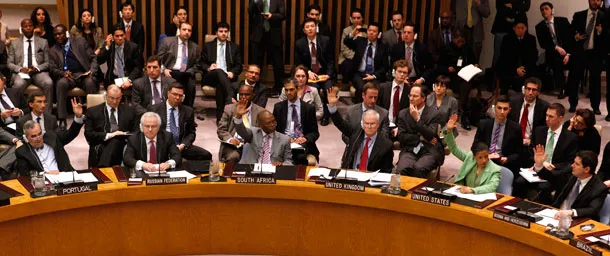
Adopted following a comprehensive discussion among the members of the Security Council, the resolution passed with widespread support, indicative of a critical consensus regarding the necessity of controlling arms flows that exacerbate the conflict. The voting results displayed an overwhelming majority in favor of the resolution, demonstrating a unified commitment to addressing the security threats posed by unregulated arms transfers, which have been a significant contributor to the volatility in Libya.
The arms embargo has been a vital tool for the international community, aiming to limit the supply of weapons to various factions within Libya, thereby seeking to mitigate conflict and promote a peaceful political dialogue. Resolution 2804 not only underscores the importance of enforcing the embargo but also amplifies the role of Operation Irini, which plays a crucial part in monitoring maritime activities to prevent violations of this embargo. By enabling vessel inspections, the operation seeks to deter illicit arms shipments and promote compliance with international law.
In light of these events, Resolution 2804 is not simply a regulatory measure; it symbolizes a collective effort by the international community to engage with Libya’s complex political landscape, fostering an environment conducive to dialogue and ultimately, a tangible resolution to the crisis. As the situation evolves, the implications of this resolution will continue to unfold, highlighting the necessity for sustained global attention and cooperation in supporting Libya’s path towards stability.
Support for Operation Irini
Operation Irini, established by the European Union, has garnered significant support from various member states, including France and Greece. These countries have presented compelling arguments advocating for the operation’s vital role in addressing the ongoing conflict in Libya. A primary focus of their advocacy is the operation’s contribution to the enforcement of the United Nations arms embargo, which is fundamental to curbing hostilities in the region. By monitoring maritime routes and preventing illicit arms shipments, Operation Irini serves as a deterrent against the escalation of violence between conflicting parties.
Moreover, supporters emphasize that Operation Irini facilitates intelligence sharing among EU member states and other international stakeholders. This collaboration enhances situational awareness and allows for more coordinated responses to threats in the Mediterranean. The strategic exchange of information is deemed essential for reinforcing the efforts towards a peaceful resolution in Libya, where various factions vie for power and resources. Hence, the operation is viewed as instrumental in creating a conducive environment for diplomatic negotiations.
Countries backing Operation Irini argue that it is not merely a military endeavor but a key player in the broader stabilization efforts in Libya. By addressing the arms supply dynamics that fuel conflict, the operation contributes significantly to restoring order and fostering unity among Libyan factions. Furthermore, the presence of a structured international operation underscores the commitment of the global community to support Libya’s recovery from years of turmoil.
In light of these points, proponents assert that Operation Irini is a pivotal mechanism in promoting peace, stability, and governance in Libya through its enforcement capabilities and collaborative frameworks. Consequently, the support for the adoption of Resolution 2804 aligns with the broader objectives of the United Nations to advocate for peace and security in the region.
Criticism and Calls for Review of Operation Irini
Operation Irini, tasked with enforcing the United Nations arms embargo in Libya, has prompted a variety of critiques from different nations, highlighting significant concerns about its overall effectiveness and operational transparency. Countries such as Pakistan and Algeria have voiced skepticism about the operation’s capacity to achieve its core objectives. Specifically, they raise questions about the operational success of Irini in actually deterring arms transfers into Libya, especially given the ongoing conflict and the apparent ease with which shipments are still entering the country.
China has also expressed reservations, particularly regarding what some perceive as a lack of transparency in the decision-making processes associated with the operation’s implementation. Critics argue that the absence of clear and consistent reporting mechanisms undermines the credibility of Operation Irini. They contend that there should be a more robust framework for accountability to ensure that actions taken by the mission are underpinned by sound evidence and strategic objectives.
Furthermore, the Russian Federation has voiced its concerns regarding how Operation Irini is executed in coordination with other international efforts aimed at stabilizing Libya. Russia points out that the complex geopolitical landscape necessitates a more nuanced approach, recommending that the operation engage more comprehensively with local stakeholders to foster trust and efficacy. This includes taking into consideration the regional dynamics that influence the flow of arms and resources into Libya.
These critiques collectively underline a growing sentiment among nations about the need for a thorough review of Operation Irini. The insistence on enhancing transparency, improving accountability, and fine-tuning operational strategies reflects broader concerns about the mission’s impact, as the ongoing conflict in Libya continues to demand urgent and effective international responses.
Conclusion and Future Implications
In summary, the adoption of UN Security Council Resolution 2804 marks a pivotal moment in the complex landscape of international relations concerning Libya. Throughout this analysis, we have explored the multifaceted responses to the resolution, illustrating a spectrum of views from various member states. While some welcome the advancements in enforcing arms embargoes and promoting stability through Operation Irini, others express skepticism regarding its efficacy and the observed geopolitical challenges.
The mixed reactions highlight the ongoing debates about the merits and shortcomings of Operation Irini. Critics argue that while the mission aims to control arms shipments, its execution raises questions about effectiveness and sovereignty, revealing the nuanced political environment that shapes Libya’s path forward. The resolution’s implications extend beyond the immediate logistical concerns, delving into fundamental issues such as national sovereignty, foreign intervention, and the role of the Security Council in national crises.
Looking ahead, the future of Libya remains uncertain, shaped by the varying opinions on Operation Irini and the effectiveness of the resolutions adopted. The recent criticisms articulated by several countries could prompt the UN to reevaluate its strategies and engagement in Libya. A more coordinated approach involving transparent dialogue among EU and North African nations may provide a framework for more effective peacekeeping measures and conflict resolution.
Ultimately, addressing the multifaceted challenges of stability in Libya necessitates continuous international cooperation. It is crucial that member states engage in constructive dialogue to foster a unified strategy conducive to lasting peace. Only through collective efforts can we hope to navigate the complexities of Libya’s security landscape and support the aspirations of its people for a peaceful and prosperous future.