






















The Arrest of Khaled El Hishri: A Turning Point for Justice in Libya
The arrest of Khaled El Hishri by German authorities marks a significant development in the pursuit of justice for war crimes committed in Libya. Accused of egregious offenses including murder, torture, and rape at Mitiga prison, El Hishri’s apprehension signals a critical step in holding accountable those responsible for grave human rights violations during the Libyan conflict. These allegations outline a grim reality, reflecting the experiences of countless victims affected by his actions and the broader impact of the ongoing violence in the region.
This event underscores the growing acknowledgment of the need for accountability in Libya, where transitional justice remains elusive, and impunity has prevailed for too long. El Hishri’s arrest may pave the way for a comprehensive examination of war crimes in Libya, serving as a catalyst for further investigations into similar misconduct committed by other actors during the conflict. The implications of his detention extend beyond individual accountability; they symbolize a potential shift towards a more robust framework for addressing such crimes, which is essential for lasting peace and reconciliation in the nation.
The anticipated handover of Khaled El Hishri to the International Criminal Court (ICC) also holds immense significance. This transition is expected to enhance the legal proceedings surrounding war crimes in Libya, providing a platform for the prosecution of not just El Hishri but potentially others implicated in similar atrocities. The ICC’s involvement could foster a more systematic approach to justice, reinforcing the message that those who perpetrate war crimes will not evade responsibility. As Libya continues to grapple with its tumultuous past, El Hishri’s arrest represents a turning point towards a future where justice is not merely aspirational but increasingly attainable.
International Support and the ICC’s Role
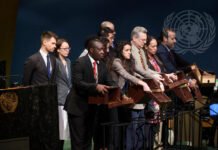
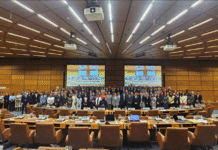
The recent arrest of Khaled El Hishri has elicited a noteworthy response from the international community, reflecting widespread support for the rule of law and the commitment to justice. Members of the United Nations Security Council have expressed their backing for both the arrest and the ongoing efforts of the International Criminal Court (ICC) in holding perpetrators of serious crimes accountable. This incident underscores the crucial role that international cooperation plays in prosecuting individuals accused of grave offenses, reinforcing the notion that no one is above the law.
The ICC, as an institution designed to oversee justice at the international level, has been pivotal in facilitating the prosecution of those accused of war crimes, genocide, and crimes against humanity. The court’s involvement is significant as it serves to ensure that justice is not solely reliant on national legal systems, which can sometimes be limited in their capacity to address such serious charges. The support from the international community bolsters the ICC’s legitimacy and operational effectiveness, highlighting the importance of collaboration among nations in the pursuit of justice.
Germany has notably been praised for its proactive stance in endorsing the principles upheld by the ICC and aiding the Libyan government in its engagement with the court. The collaboration between Germany and Libya is indicative of a larger trend wherein nations recognize the necessity of pooling resources and expertise to combat impunity effectively. This partnership exemplifies a united front against those who perpetrate serious crimes and a collective acknowledgment that accountability is essential for sustainable peace and security.
As the global community observes these developments, it becomes increasingly clear that support for the ICC and cooperative efforts among nations are vital components in strengthening justice. This collective fight can ultimately lead to a significant reduction in impunity and contribute to a more equitable global legal framework.
Challenges Ahead: Calls for Cooperation and Addressing Impunity
The pursuit of justice in Libya remains fraught with numerous challenges, particularly in the context of Khaled El Hishri’s arrest and its implications for the International Criminal Court (ICC). One of the critical issues facing Libya’s national authorities is the need for enhanced cooperation with international judicial entities. The ICC has repeatedly highlighted concerns regarding the non-cooperation of Libya in relation to various fugitives, which undermines the effectiveness of judicial proceedings. Without the active support and collaboration of national authorities, the broader efforts of the ICC to hold accountable those suspected of grave crimes face significant obstacles.
To truly strengthen the foundation of justice, it is imperative that Libyan authorities, supported by the international community, adopt a comprehensive approach to address impunity within the country. The establishment of Libyan-led initiatives is essential in this regard. Such initiatives not only demonstrate a commitment to tackling past crimes but also foster a sense of local ownership and responsibility in the justice process. When national actors take the lead, they can tailor justice responses to the specific context and needs of Libya, which can significantly enhance public trust and participation in the judicial process.
Moreover, addressing impunity requires a delicate balance between international influence and local autonomy. While support from international bodies can provide necessary resources and expertise, it is crucial that Libyan authorities assert their sovereignty and prioritize national interests. This balance is vital for fostering a restorative and just society. Failure to do so could result in further entrenchment of impunity, thereby jeopardizing the gains made through arresting individuals like El Hishri. As the path forward unfolds, a united effort is essential to tackle these challenges and secure a more just future for all Libyans.
Criticisms and the Complex Landscape of Justice in Libya
The arrest of Khaled El Hishri has reignited discussions around the International Criminal Court (ICC) and its perceived jurisdictional overreach. Criticisms have emerged from various states, notably Russia and China, who argue that the ICC often operates under a double standard that undermines its legitimacy. Both countries have accused the Court of selectively targeting nations based on geopolitical interests rather than genuine humanitarian concerns. This skepticism towards the ICC complicates the already fractured landscape of justice in Libya, where the nation has experienced prolonged instability and ongoing conflict.
Libya’s relationship with the ICC is particularly intricate. The Libyan authorities have expressed mixed feelings about the role of the ICC, mainly due to concerns over national sovereignty and the efficacy of external interventions in domestic matters. Proponents of complementarity—a principle of international law that emphasizes the responsibility of national courts to prosecute crimes over international mechanisms—argue that Libya should lead its own judicial processes. However, this stance raises questions regarding the capacity and willingness of Libyan institutions to effectively deliver justice, especially in the aftermath of the civil war.
The discourse surrounding the ICC’s authority and its relevance to the Libyan context highlights a significant challenge in achieving meaningful justice. Critics argue that the ICC’s approach may exacerbate the complexities of global justice, calling into question whether its interventions align with the fundamental principles of fairness and impartiality. This ongoing debate reflects broader concerns about the future of international law and the mechanisms intended to uphold it. Understanding these differing perspectives will play a crucial role in determining the path forward for justice in Libya, intertwining the hopes for restorative justice with the realities of international diplomacy.