


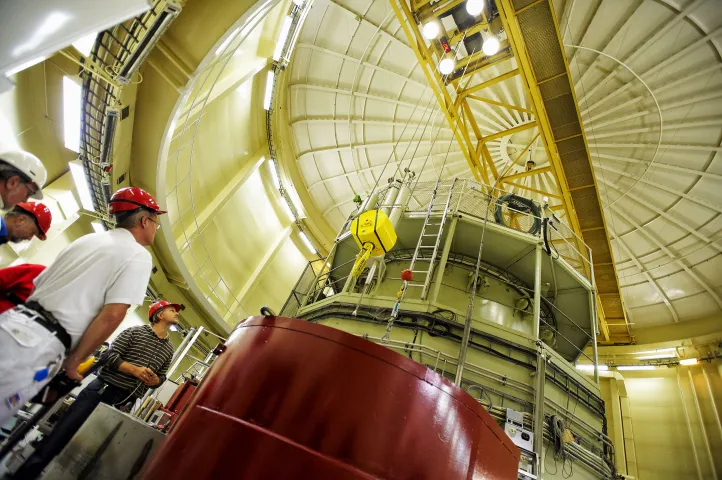
Introduction to Safety Improvements
The recent mission conducted by the International Atomic Energy Agency (IAEA) in the Philippines has been pivotal in assessing and enhancing safety measures at the country’s research reactor facilities. This assessment aimed to evaluate the current safety systems, identify areas for improvement, and promote adherence to international safety standards. The IAEA experts focused on the importance of implementing rigorous safety protocols, necessary not only for the protection of personnel working at the facility but also for the surrounding environment and community.
Research reactors play a crucial role in various fields including medical research, scientific studies, and education. However, the operation of these reactors demands high safety standards to prevent potential risks associated with nuclear technology. The IAEA mission emphasized the need for continuous improvements in safety measures, noting that operational safety is paramount in maintaining trust among stakeholders and the public. The findings from the IAEA visit underscore the critical nature of regular safety evaluations and updates in accordance with the latest international guidelines.
Moreover, safety assessments such as those performed by the IAEA contribute significantly to the enhancement of operational safety in research reactors. They not only offer an in-depth review of the existing safety protocols but also provide valuable recommendations for advancing safety measures. This process ensures that facilities are equipped to handle emergencies effectively and efficiently, as well as maintain compliance with international norms and practices. As the mission results are analyzed and integrated into the nation’s reactor operations, the Philippines can look forward to strengthening its safety culture while fostering a research environment that prioritizes safety above all else.
Key Findings from the Follow-Up Mission
During the recent follow-up mission, the International Atomic Energy Agency (IAEA) team provided crucial insights into the operational and management aspects of the research reactor in the Philippines. Their observations focused on the improvements visible in organizational structures and the overall effectiveness of safety governance. The IAEA team underscored the importance of an established operational framework, which has been pivotal in enhancing reactor safety standards.
One key finding emphasized by the IAEA relates to the robust functions of the safety committee within the organization. The committee has demonstrated improved capability in overseeing safety protocols, conducting thorough evaluations, and ensuring compliance with regulatory requirements. This systematic approach has not only contributed to a safer working environment but has also facilitated a culture of continuous safety improvement among staff and stakeholders.
Moreover, significant advancements were noted in the documentation practices concerning safety protocols and procedures. The commissioning report produced recently reflects a sophisticated understanding of potential risks and mitigation strategies, aligning with international best practices. This enhanced documentation serves as a vital reference for both current operational procedures and future safety assessments.
The IAEA mission also identified that alternative fuel strategies are being developed as part of the reactor’s safety enhancement objectives. Exploring diverse fuel options can minimize reliance on conventional fuels and promote long-term sustainability, affirming the direction of the reactor’s operational strategy towards greater safety and environmental responsibility. With these insights, the IAEA encourages ongoing collaboration to maintain momentum in safety improvements and operational excellence.
Recommendations for Continued Development
The International Atomic Energy Agency (IAEA) has emphasized the necessity for a robust framework that underpins safety standards at the Philippines’ research reactor. One of the key recommendations includes a comprehensive retraining program for the operating personnel. This initiative is critical as it ensures that staff remain adept at managing operational challenges and adhering to evolving safety protocols. Continuous education in the field of nuclear safety and operational procedures not only boosts confidence but also enhances the overall competency of the workforce.
In addition to personnel retraining, the IAEA experts have highlighted the importance of enhancing maintenance procedures for safety systems. Regular and systematic maintenance checks are essential in identifying potential vulnerabilities before they escalate into serious issues. This proactive approach is vital for safeguarding the integrity of safety systems and ensuring the seamless operation of the reactor. Developing a maintenance culture that prioritizes safety can significantly mitigate risks associated with reactor operations.
Furthermore, the long-term goals for the reactor’s training and research programs have been outlined as crucial for sustainable development. These programs should aim to incorporate innovations in safety practices and foster a culture of safety among all personnel. By analyzing past incidents and integrating lessons learned into training modules, the facility can cultivate a forward-thinking approach to safety. Collaboration with international agencies to exchange knowledge and best practices can also play a significant role in enhancing the reactor’s operational efficiency.
In conclusion, the path forward for the Philippines’ research reactor hinges on the successful implementation of these recommendations. By prioritizing personnel training, refining maintenance protocols, and advancing research capabilities, the facility can ensure safety and operational excellence in the long run.
The Role of IAEA in Global Nuclear Safety
The International Atomic Energy Agency (IAEA) plays a pivotal role in promoting nuclear safety on a global scale. Through its missions, the IAEA provides essential guidance and support to member states, including the Philippines, in enhancing the safety measures of their nuclear facilities. The agency’s safety standards serve as a benchmark for countries to align their national regulations and practices, ensuring that nuclear operations are conducted with the utmost attention to safety.
One significant aspect of the IAEA’s involvement is fostering international collaboration. By encouraging member states to share experiences and knowledge, the IAEA facilitates a cooperative approach toward addressing nuclear safety challenges. This collaboration not only enhances individual country capabilities but also contributes to the global effort to safeguard public health and the environment from radiation risks. The exchange of best practices and lessons learned from various missions helps shape a robust safety culture across different nations.
For the Philippines, the insights gained from IAEA missions are invaluable. They help the nation to develop and implement robust safety protocols that align with international standards. These protocols are crucial in mitigating the risk of radiation accidents and ensuring the protection of both the population and the environment. The ongoing engagement with the IAEA strengthens the Philippines’ commitment to nuclear safety, demonstrating how international partnerships can lead to improved safety outcomes.
In conclusion, the IAEA’s role in global nuclear safety extends far beyond setting standards. It acts as a facilitator of international cooperation, promoting an integrated approach to nuclear safety that benefits all member states. The experiences and support provided by the IAEA are vital for countries like the Philippines in their quest to maintain nuclear safety and protect against the risks associated with radiation exposure.


