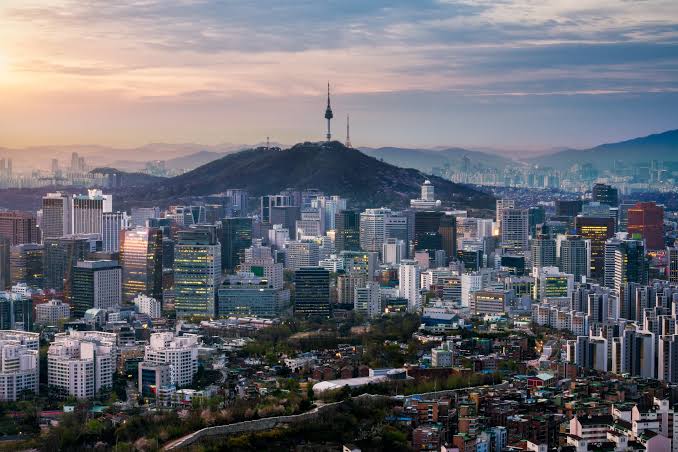
South Korea is often presented as a model of rapid development: a high-income economy with globally recognized manufacturers, advanced technology, and deep links to international trade and finance. Its prosperity, however, can obscure pressures accumulating beneath headline growth figures. Reliance on overseas demand means weaker markets abroad can quickly weigh on exports and business investment. At home, household spending has often remained restrained, while high housing costs and large household debts limit many families’ ability to absorb shocks or increase consumption. These tensions do not imply an imminent breakdown, but they make the country’s growth model less balanced than its international standing might suggest.
The 1997 Asian financial crisis was marked by an acute liquidity shock. As foreign lenders withdrew funds and currency pressures intensified, South Korea faced an urgent shortage of dollars, requiring emergency assistance and painful restructuring. The vulnerabilities now building are less likely to arrive as one sudden event. They include persistent dependence on foreign demand, subdued domestic consumption, heavy household borrowing, a rapidly aging population, and a shrinking workforce. Delayed or stalled reforms can compound these pressures, limiting productivity and the economy’s capacity to adapt. The result may be a gradual erosion of momentum rather than a dramatic collapse in confidence or access to financing.
Since 1997, South Korea has strengthened safeguards against a repeat of that abrupt financial crisis. It holds substantially larger foreign-exchange reserves, has developed currency swap arrangements, and has a stronger financial system with improved oversight and greater capacity to manage shocks. These measures reduce the likelihood that temporary funding stress will spiral into the same kind of crisis seen decades ago. They cannot, however, resolve structural weaknesses in consumption, debt, demographics, or growth. The central risk is therefore not necessarily an overnight financial breakdown, but a prolonged loss of growth and resilience. A country can remain prosperous and globally connected while gradually becoming less able to generate broad-based gains or withstand successive shocks.
The 1997 Asian financial crisis exposed how quickly foreign-currency funding problems could overwhelm an economy. South Korean banks and companies had accumulated substantial short-term liabilities denominated in dollars and other foreign currencies. When lenders became unwilling to renew those loans, borrowers faced repayment demands they could not readily meet. The mismatch between short-term obligations and available foreign currency intensified pressure on the won, depleted reserves, and helped turn financial strain into a national crisis. The lesson was not simply that borrowing carries risks, but that reliance on funds requiring frequent renewal can leave even a productive economy vulnerable to a sudden loss of confidence.
South Korea’s position today includes important buffers against a similar liquidity shock. Its foreign-exchange reserves are substantial, and currency swap arrangements with partner economies, including China, can provide access to foreign currency under agreed conditions. Such resources may help authorities and financial institutions meet urgent payment needs, reassure markets, and reduce the chance that temporary funding pressures become disorderly. In this respect, the safeguards address a specific vulnerability highlighted by 1997: the possibility that foreign-currency obligations come due when ordinary financing channels are unavailable.
Emergency liquidity, however, is not the same as lasting economic security. Reserves and swaps cannot, on their own, reduce South Korea’s dependence on exports, improve household finances, or establish stronger domestic sources of growth. Nor are swap arrangements unconditional guarantees. Their use and availability depend on the terms agreed by participating governments, decisions made by counterpart authorities, and the broader diplomatic and geopolitical climate. A strained relationship or changed priorities could affect whether support is extended, even when an arrangement exists. These instruments therefore lower one category of risk: a sudden shortage of foreign currency. They do not resolve the structural pressures beneath the economy, including weak household demand and exposure to shifts in global trade. Financial safeguards can buy time during a shock, but durable resilience also requires progress on the domestic economic challenges that liquidity alone cannot fix.
South Korea’s reliance on semiconductor exports makes its growth unusually sensitive to shifts in global demand. When chip markets are strong, overseas sales can support investment, production and national output; when demand cools, the same concentration can transmit weakness quickly across the economy. The OECD projects growth of 2.6% in 2026, easing to 1.9% in 2027. Anticipated strength in semiconductors is an important driver of those expectations, rather than a guarantee of broad-based expansion. Trade restrictions, supply-chain disruptions, sanctions or diplomatic disputes could limit access to markets and inputs, delay production or discourage investment, weakening this engine.
At the same time, demographic change is narrowing the room for domestic growth. Very low fertility and a rapidly aging population mean fewer future workers, potentially slower labor-force growth and greater pressure on productivity. A smaller working-age population can also temper consumer demand, while the public costs of pensions and healthcare rise as more people require support. The strain is especially visible in retirement security: the old-age poverty rate among people aged 66 is 40%, the highest in the OECD. This figure refers specifically to people aged 66, not all older people or the entire population, but it signals limited capacity among many households to sustain consumption. As the population ages, the balance between contributors and beneficiaries becomes more difficult, adding fiscal pressure as the domestic customer base faces demographic headwinds.
Household finances add another constraint. Household debt reached KRW 1,978.8 trillion at the end of 2025, leaving many borrowers committed to substantial repayments. Those payments can crowd out everyday spending and make households more vulnerable to higher interest rates or housing-market shocks, while missed payments and financial strain can add pressure to lenders and the wider credit system. This creates a reinforcing cycle: indebted households limit consumption, weakening domestic demand; slower income and economic growth then make debt burdens harder to manage. Reducing reliance on external chip demand therefore requires stronger foundations at home. Policies and investment that lift productivity and wage growth, alongside efforts to develop broader sources of domestic demand, can help households spend more sustainably and make growth less exposed to export swings.
South Korea’s crisis response would depend not only on domestic reserves and policy choices, but also on ties with its principal partners. The United States is a security partner and could help steady confidence during a shock, but that relationship does not guarantee financial assistance. Support would depend on US priorities, the emergency’s nature, and negotiations over appropriate measures. Japan remains important to trade finance and regional supply chains, although political tensions may complicate coordination. China is a major trading partner and has a currency-swap arrangement with Seoul, yet strategic rivalry makes the relationship less predictable. External backing therefore rests on trust and diplomacy as well as on financial resources.
Since 1997, successive governments have strengthened parts of the economic framework, but reform remains incomplete in politically sensitive areas. Pension changes must address long-term obligations and fairness between generations; labor-market reform must balance flexibility with security; public finances need credible plans as age-related costs rise. Corporate productivity also requires attention, particularly where established firms and smaller businesses differ sharply in efficiency and access to opportunity. Such measures create concentrated, visible costs: workers may fear reduced protections, taxpayers higher contributions, and firms new constraints. Their benefits, by contrast, often emerge slowly and are shared broadly. Governments consequently have incentives to postpone difficult decisions, especially when elections are near or growth is weak. Delay can appear manageable, but it allows underlying imbalances to deepen.
South Korea’s present danger is best understood as a structural crisis rather than a single sudden shock. Low growth can weaken incomes and tax receipts, while high debt limits room for public support. Weak household demand restrains business investment, and demographic contraction reduces the workforce as pension and health costs increase. Geopolitical uncertainty adds another layer, potentially disrupting trade, finance, or access to critical inputs. These pressures can reinforce one another: slower growth makes debt harder to manage, while uncertainty discourages spending and investment. The country has considerable technical capacity, experienced institutions, and policy tools to respond. Yet capacity alone cannot resolve problems whose remedies are politically costly. Sustained commitment across governments, employers, and the public is needed to pursue reform before gradual deterioration becomes a sharper economic disruption.