






















Introduction to the Defense Partnership
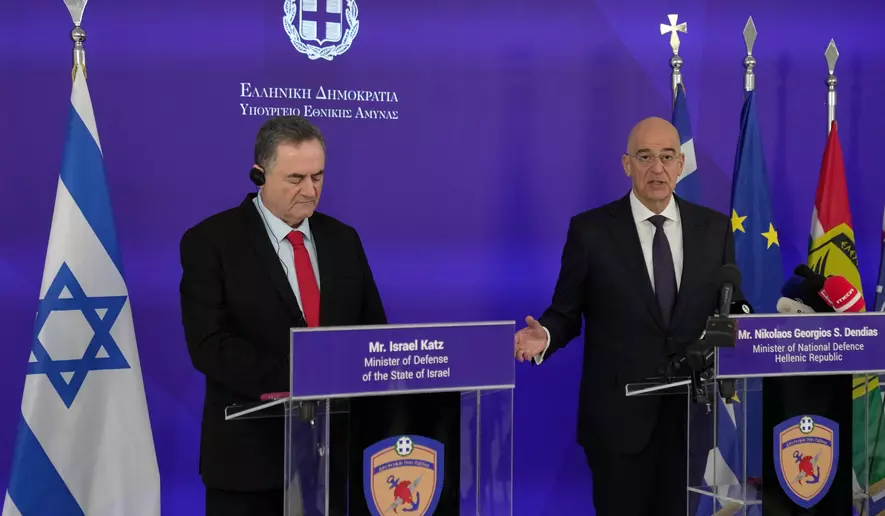
In recent months, Greece and Israel have engaged in significant discussions to enhance their defense partnership, particularly in light of evolving military challenges faced in the Eastern Mediterranean region. The geopolitical landscape of this area has underscored the necessity for robust defense cooperation, as both nations confront common threats, including the potential for military drone swarms. This emphasis on collaboration not only reinforces their bilateral relations but also embodies a strategic response to contemporary security concerns.
The foundation of the current defense partnership was laid in December when key agreements were established between Greece and Israel. These agreements aimed to enhance military cooperation and joint operational capabilities, paving the way for initiatives targeting advanced technologies and defense systems. As part of this collaboration, both countries are focusing on adapting their strategies to counter emerging threats, particularly the proliferation of unmanned aerial vehicles (UAVs) in modern warfare.
The strategic importance of the Eastern Mediterranean cannot be overstated. With rising tensions and complexities in regional security dynamics, the cooperation between Israel and Greece serves as a crucial element in maintaining stability and safeguarding their national interests. This partnership not only reflects their shared values and objectives but also aligns with broader geopolitical goals, including contributions to collective security frameworks within the region.
The discussions and agreements made between these two nations resonate well within the defense community, illuminating the potential benefits of fostering international partnerships. By enhancing military capabilities and exchanging knowledge, Greece and Israel are preparing to bolster their security frameworks in response to modern military challenges, thus committing to a forward-looking strategy that addresses the evolving nature of warfare and defense in the Eastern Mediterranean.
Technological Advancements Against Drone Warfare
Drone swarms, characterized by the coordinated operation of multiple unmanned aerial vehicles (UAVs), represent a significant evolution in military engagement. These decentralized networks can effectively overwhelm traditional defense systems, creating challenges for national security. Their ability to carry out simultaneous attacks or reconnaissance missions highlights the necessity for advanced countermeasures. Israel, a leader in military technology, is poised to assist Greece in developing strategies and systems tailored to mitigate these threats.
Counter-drone technology that Israel plans to share with Greece includes electronic warfare tactics, which are essential for disrupting the communication and navigation systems of drone swarms. By employing signal jamming techniques, it becomes possible to render these UAVs inoperable, significantly reducing their effectiveness on the battlefield. Furthermore, Israel’s experience with directed energy weapons provides an innovative approach to countering drone threats. These laser systems can target and neutralize drones swiftly and accurately, thereby minimizing collateral damage and ensuring national safety.
In addition to hardware solutions, the emphasis on knowledge exchange plays a crucial role in combating drone warfare. By sharing intelligence regarding drone swarm tactics and operational patterns, Israel can empower Greek forces to anticipate and respond to attacks more effectively. This collaborative approach not only enhances the capacity for direct countermeasures but also builds a sustained defensive strategy against future advancements in drone technology.
Ultimately, the partnership between Israel and Greece serves as a model for addressing emerging threats in modern warfare. By integrating cutting-edge technology and fostering collaboration, both nations can enhance their military preparedness in an era increasingly defined by the presence of drone swarms. Addressing this challenge collaboratively positions Greece to safeguard its interests while contributing to broader security in the region.
Historical Context and Defense Spending
Greece has a long-standing history of military prioritization that often surpasses its economic capacities. This phenomenon can be traced back to the geopolitical landscape of the Eastern Mediterranean, where Greece faces enduring tensions with neighboring Turkey. Issues surrounding territorial disputes, including maritime rights in the Aegean Sea, necessitate a formidable defense strategy for Greece. As a member of both the European Union and NATO, Greece’s military expenditure has consistently focused on strengthening its defense capabilities to ensure national security and deter potential aggression.
In the past decade, Greece has experienced a significant economic crisis, leading to austerity measures that impacted many sectors, including defense. However, national security remains a critical concern, and the Greek government continues to prioritize military spending. Greece’s defense budget typically allocates a substantial portion of its GDP to military capabilities, reflecting the importance placed on maintaining a robust defense posture against Turkey. This commitment to defense spending also highlights Greece’s strategic partnerships, particularly with nations like Israel, which share common interests in responding to regional threats.
The collaboration with Israel not only reinforces Greece’s military capabilities but also provides access to advanced technology and defense systems. As military drone swarms become an increasingly pervasive threat in modern warfare, Greece’s partnership with Israel is pivotal in developing effective countermeasures. Furthermore, this defense collaboration plays a dual role; it serves as a deterrent against Turkish aggression while enhancing Greece’s position in the broader regional security architecture. The historical context of Greece’s military spending, combined with the pressing need for strategic alliances, underscores the significance of its relationship with Israel in safeguarding national interests.
Future Outlook of Mediterranean Stability
The recent strengthening of defense ties between Israel and Greece marks a significant shift in the Mediterranean’s geopolitical landscape. This cooperation, particularly against the backdrop of increasing military drone swarms, represents not only a bilateral security alliance but a strategic reconfiguration that could influence broader regional stability. As both nations enhance their military capabilities, the implications for neighboring countries and NATO members become increasingly relevant.
One notable outcome of this partnership is the potential shift in power dynamics within the Mediterranean region. With Israel’s advanced military technology and Greece’s strategic maritime position, the collaboration could deter potential aggressors, thereby contributing to a more stable environment. Such stability is particularly crucial amidst rising tensions among various actors in the region. Moreover, as regional actors observe the enhanced capabilities of Israel-Greece relations, they may feel compelled to reevaluate their own defense strategies, potentially leading to an arms race or new alliances.
Maritime security emerges as another critical focus area, as the Mediterranean Sea is a vital trade route and a contested region among various countries. The collaboration aims to ensure the security of shipping lanes against threats, including drone attacks. Thus, the joint military exercises and intelligence-sharing operations between Israel and Greece could serve as a model for similar initiatives, fostering greater collective security among NATO allies.
In this evolving context, partnerships like that of Greece and Israel may not only reshape military strategies among NATO members but also encourage regional cooperation on security issues. By forging strong defense pacts, these nations lay the groundwork for a more cohesive response to emerging threats, encouraging other countries to establish their collaborative frameworks for maintaining peace and stability.