


Overview of the Recent High-Level Meeting
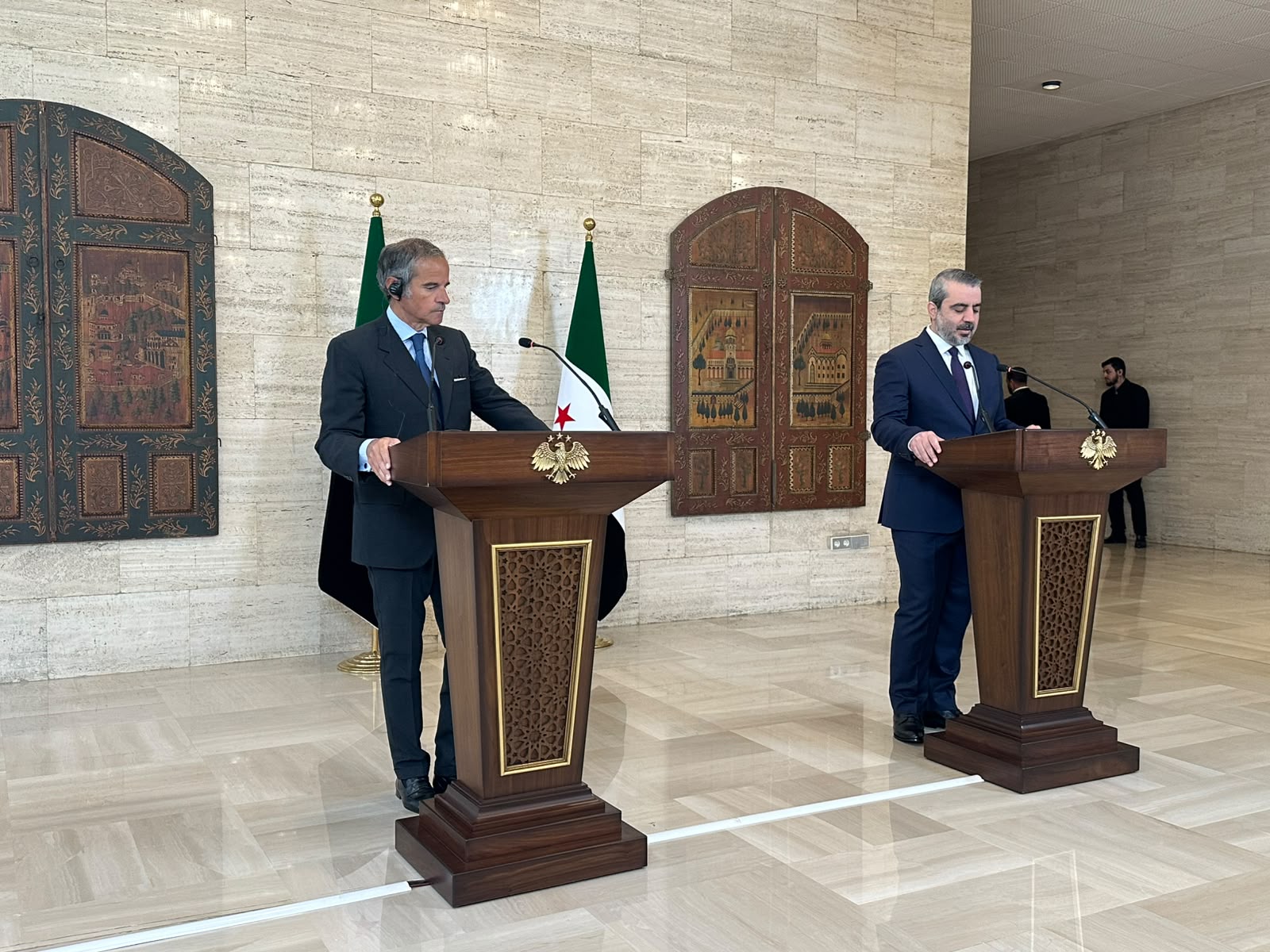
On September 12, 2023, a significant high-level meeting took place between the Director General of the International Atomic Energy Agency (IAEA) and Syria’s Minister of Foreign Affairs. This meeting marked an important milestone in the ongoing dialogue between the IAEA and Syria concerning nuclear safeguards and cooperation. The engagement aims to address long-standing concerns regarding Syria’s nuclear program and to enhance transparency through improved communication and collaboration.
The backdrop to this encounter lies in the necessity for effective nuclear governance and compliance with international regulations. The IAEA, being the global authority on nuclear energy and safety, plays a crucial role in inspecting and verifying that member states adhere to nuclear non-proliferation commitments. Syria’s nuclear history has often led to increased scrutiny, emphasizing the urgent need for clarity and mutually beneficial partnerships.
During this meeting, the objectives were clear: to re-establish the IAEA’s presence in Syria, enhance oversight of nuclear activities, and foster a cooperative atmosphere that encourages dialogue on nuclear safety measures. The discussions included a variety of critical issues, such as the status of Syria’s compliance with nuclear treaties and the facilitation of technical assistance projects aimed at strengthening nuclear safety standards.
This engagement is vital not only for Syria but also for the broader international community. The enhancement of Syria’s nuclear safeguards can serve as a foundation for rebuilding trust between Syria and international organizations. By promoting a cooperative approach, both parties aim to ensure that nuclear materials and technologies are utilized safely and for peaceful purposes. Furthermore, a successful outcome from this engagement could potentially pave the way for future collaboration in various domains, including scientific research and energy development.
Overall, the high-level meeting signifies a new chapter in Syria-IAEA relations, characterized by transparency and mutual objectives. The outcomes of these discussions will likely influence regional security and stability, setting a precedent for how nations engage with international nuclear governance.”
Commitment to Transparency and Compliance
Syria’s engagement with the Non-Proliferation Treaty (NPT) reflects its broader commitment to promoting regional and global security through nuclear non-proliferation. This international treaty, which aims to prevent the spread of nuclear weapons and to foster the peaceful use of nuclear energy, serves as a fundamental framework for Syria’s nuclear policies. By adhering to the principles of the NPT, Syria demonstrates its support for a rules-based international order regarding nuclear activities.
In line with its obligations under the NPT, Syria has taken significant steps to ensure transparency concerning its nuclear materials. These actions include the declaration of its nuclear facilities to the International Atomic Energy Agency (IAEA) and regular inspections to verify compliance with safety protocols. Such inspections play a crucial role in providing assurance to the international community about the peaceful nature of Syria’s nuclear program.
Additionally, Syria has embraced cooperative measures aimed at enhancing its nuclear safety framework. This proactive approach includes engaging with the IAEA not only to fulfill regulatory requirements but also to benefit from technical assistance and capacity-building initiatives. By participating in IAEA-led programs, Syria has been able to improve its nuclear safety standards and contribute actively to discussions on best practices in the field of nuclear energy.
Moreover, Syria’s commitment to transparency transcends mere compliance with the NPT stipulations. It signifies an effort to rebuild trust within the international community, particularly amidst complex geopolitical dynamics. Through transparent reporting and adherence to international standards, Syria seeks to demonstrate that its intentions are aligned with the principles of peaceful coexistence and stability within the region.
These measures underline Syria’s serious approach towards its nuclear responsibilities, affirming its determination to engage constructively with global multilateral initiatives aimed at enhancing nuclear safety and security. Such a commitment is instrumental in strengthening Syria’s relations with the IAEA, fostering a collaborative environment essential for advancing nuclear cooperation in the coming years.
Progress at Deir ez-Zor: Verification Activities
The Deir ez-Zor site has become a focal point in the ongoing efforts to enhance nuclear verification in Syria. Following the establishment of an agreement between Syria and the International Atomic Energy Agency (IAEA), significant activities have been undertaken to assess the nuclear-related capabilities and historical context of the facility. These activities reflect an unprecedented level of cooperation between the two bodies aimed at rectifying past deficiencies in nuclear oversight.
Excavation efforts have been a primary component of the verification activities at the Deir ez-Zor site. This process is crucial for uncovering any remnants or remnants of past nuclear endeavors that may have taken place. The excavation seeks to provide clarity on the historical use of the site and to identify any materials or structures that may require further scrutiny under international regulations. By facilitating these excavations, Syria demonstrates its commitment to transparency and accountability in nuclear matters.
In tandem with excavation efforts, the IAEA has been actively involved in conducting a series of assessments on the nuclear-related materials found at the Deir ez-Zor site. These assessments aim to evaluate the nature and scope of materials recovered during excavation. The goal is to ensure that any items identified do not violate international safeguards and to assure the international community of Syria’s adherence to its non-proliferation obligations.
The collaborative nature of these activities signifies a shift in Syria-IAEA relations, highlighting a mutual understanding of the importance of robust verification processes. By advancing these verification activities, both sides aim to bolster global confidence in Syria’s nuclear intentions, paving the way for potential future cooperation in areas of nuclear science for peaceful purposes. Such an approach not only addresses historical issues but also provides a foundation for ongoing dialogue and collaboration in nuclear governance.
Future Cooperation and Peaceful Uses of Nuclear Technology
The recent cooperation agreement between Syria and the International Atomic Energy Agency (IAEA) marks a significant step forward for the development of nuclear science and technology within Syria. This partnership is expected to enhance the country’s ability to utilize nuclear technology for peaceful purposes, thereby contributing to various sectors, including agriculture, healthcare, and energy production.
As Syria embarks on this new chapter, the potential for advancements in nuclear science is immense. For instance, the application of nuclear techniques in agriculture can lead to improved crop yields and pest management, promoting food security in a nation that has faced significant economic challenges. Additionally, utilizing nuclear technology in the medical field can enhance diagnostic and treatment capabilities, offering better healthcare solutions to the population.
The implications of this cooperation extend beyond national benefits. By adhering to IAEA guidelines and using nuclear technology responsibly, Syria can contribute to regional stability and security. This commitment is crucial, as it demonstrates Syria’s desire to engage positively with the international community and to reassure neighboring countries and global powers about its intentions regarding nuclear energy.
Furthermore, the integration of peaceful nuclear technology into Syria’s development agenda could lead to increased international investment and collaboration. As countries recognize Syria’s efforts towards transparency and cooperative frameworks, the potential for joint ventures in research and development could flourish, allowing for knowledge transfer and innovation.
In conclusion, the future cooperation between Syria and the IAEA presents an opportunity for transformative advancements in nuclear science and technology. This partnership not only supports Syria’s developmental goals but also holds the potential for fostering a more stable and secure regional environment through transparency and collaboration in peaceful uses of nuclear technology.


