



















The Ruling and Its Implications
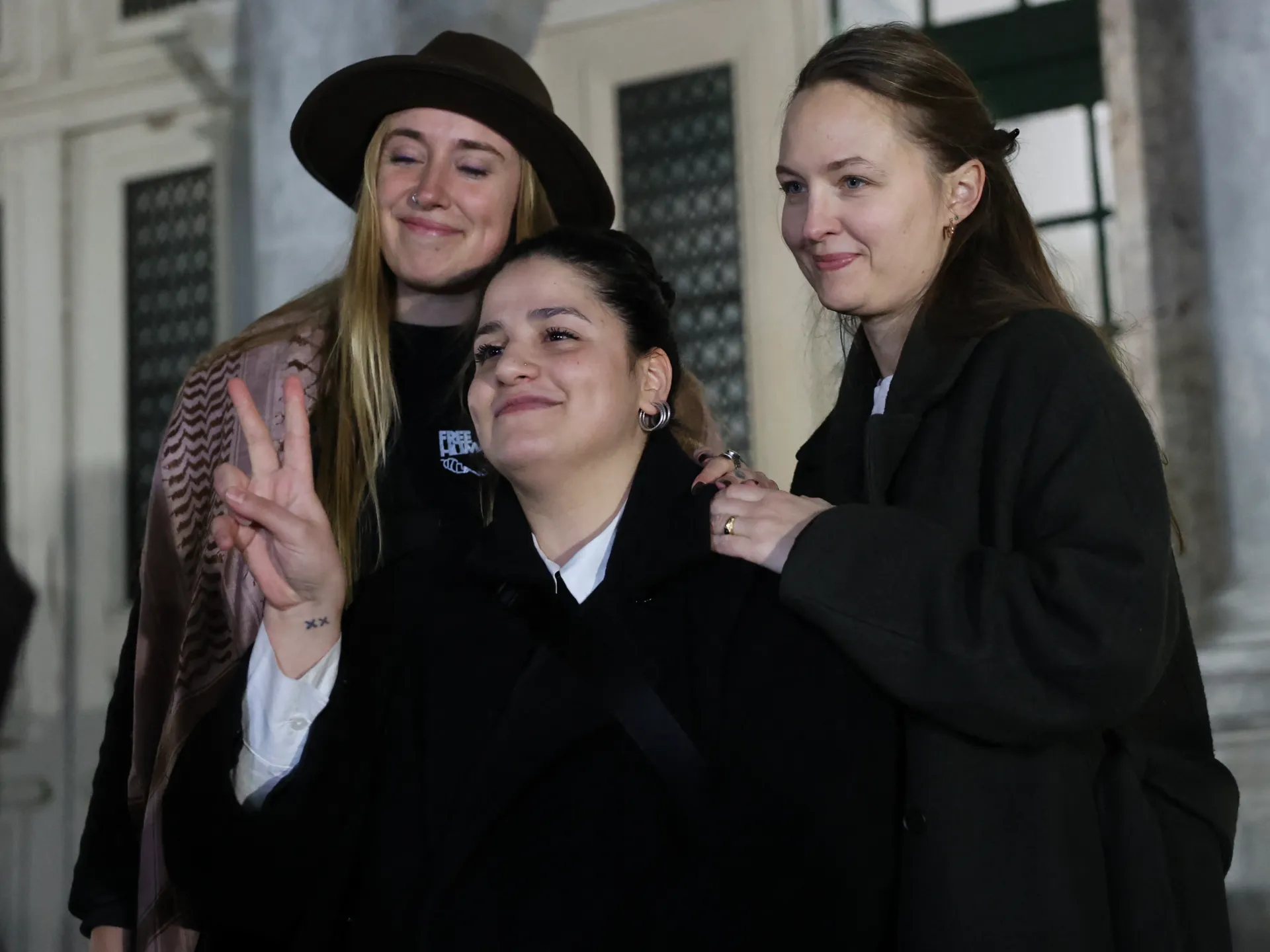
In a landmark decision, a Greek court has acquitted a group of volunteers who were charged with aiding migrants in distress. Among the acquitted is the internationally recognized Syrian swimmer, Sarah Mardini, who gained fame for her brave efforts in rescuing individuals attempting to cross the perilous Aegean Sea. The legal proceedings against the volunteers had ostensibly included accusations of human smuggling, money laundering, and participation in organized crime. However, the court ultimately found no substantial evidence supporting these claims, leading to the volunteers’ exoneration.
This ruling represents not only a victory for the individuals involved but also serves as a significant moment in the context of humanitarian operations in Greece and across Europe. The implications of the court’s decision echo far beyond the courtroom; they could reshape how authorities in Greece and other countries respond to those providing assistance to migrants and refugees. With rising tensions regarding migration policies and humanitarian efforts, this acquittal sets a precedent that might protect those engaged in lifesaving missions.
The decision underscores the importance of maintaining a compassionate approach toward those in desperate need, particularly when international laws and norms affirm the right to assist individuals facing life-threatening situations. It revitalizes hope for non-profit organizations and volunteer groups that have faced increased scrutiny and legal challenges in recent years. Furthermore, it invites a reevaluation of current policies surrounding migrant assistance and illustrates the ongoing need for legal frameworks that safeguard humanitarian actors working in crisis zones.
Moreover, this case acts as a critical reminder of the essential role that ordinary individuals play in humanitarian efforts, encouraging citizens to continue advocating for humane treatment and support for migrants worldwide. As legal frameworks evolve, it becomes increasingly essential to ensure that those who risk their safety to assist others are not criminalized but celebrated as agents of humanity.
Sarah Mardini’s Journey: From Swimmer to Activist
Sarah Mardini’s life is a profound testament to resilience and activism. Born in Damascus, Syria, she trained as a competitive swimmer, showcasing her exceptional talent in local and international competitions. However, her promising future as an athlete took a dramatic turn as the Syrian civil war escalated, forcing her to flee her homeland in 2015. Armed with nothing but courage and determination, Sarah embarked on a perilous journey across the Mediterranean, accompanied by her sister. Their objective was clear: to seek safety and refuge in Europe.
The journey was fraught with danger; a boat carrying Sarah, her sister, and other refugees began to sink alarmingly in the choppy waters. Displaying remarkable bravery, Sarah and her sister swam alongside the sinking vessel, guiding it to shore. This harrowing experience marked a transformative moment in her life and fortified her empathy for fellow migrants facing similar adversities.
Once safe in Europe, Sarah became increasingly aware of the wider plight of migrants and refugees. Motivated by her harrowing experience, she transitioned from swimmer to activist, dedicating her life to volunteering for several humanitarian organizations. Sarah’s commitment to migrant rescue efforts highlighted the pressing need for compassion and assistance in a time of global crisis. She raised awareness of the challenges faced by those seeking refuge, becoming a prominent advocate in the migrant rights movement.
Through her activism, Sarah Mardini has inspired countless others to recognize the shared humanity in those seeking safety. Her journey from a competitive swimmer to a committed activist illuminates the capacity for individuals to transform personal tragedy into powerful advocacy for others in need.
Public Reaction and Support for the Acquitted Volunteers
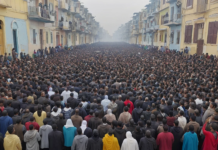
The recent acquittal of volunteers involved in migrant rescue efforts has sparked an overwhelmingly positive public response, as citizens gathered outside the courthouse to cheer and celebrate the verdict. This support underscores the critical role these volunteers play in addressing humanitarian challenges faced by migrants and refugees. The verdict was met with enthusiasm from community members who view the volunteers’ actions as a testament to the values of compassion and solidarity.
Human rights activists and various organizations have expressed their approval of the court’s decision, viewing it as a pivotal moment not only for the individuals acquitted but also for the broader discourse on migrant rights in Europe. Statements from prominent advocates have highlighted the importance of volunteerism in mitigating human suffering and have called for more robust protections for individuals engaged in humanitarian work. These leaders stress that the acquittal serves as a reminder of the essential services these volunteers provide and the need to support rather than criminalize acts of compassion.
The emotional impact of the verdict reverberates strongly within the community, providing a renewed sense of hope and motivation for those already involved in migrant assistance. Many believe that this ruling may pave the way for an increase in volunteer participation, as individuals may now feel more encouraged and less fearful of potential legal repercussions for providing humanitarian aid. Additionally, the response signifies a growing public awareness regarding the issue of migration, prompting discussions on policy reform that better balances the needs of vulnerable populations with the complexities surrounding migration governance in Europe.
The Bigger Picture: Human Rights and Migration Policies in Europe
In recent years, the landscape of migration policies in Europe has undergone significant transformations, particularly in response to increasing numbers of migrants and refugees seeking safety from conflict and persecution. Greece, positioned as a critical gateway for many individuals arriving from countries experiencing turmoil, exemplifies the complex interplay between human rights and migration policies. The tightening of immigration controls across Europe has prompted heated discussions regarding the balance between enforcing legal frameworks and upholding humanitarian values.
Increasingly, European nations have adopted stricter immigration policies aimed at managing the flow of migrants. These policies often prioritize border security over humane treatment, leading to significant challenges for those seeking asylum. In Greece, this has manifested in detention practices and limited access to necessary resources for migrants. Moreover, the criminalization of humanitarian efforts, as seen in recent court cases involving volunteers, reflects a disturbing trend where those attempting to provide assistance are penalized rather than celebrated.
Organizations such as Amnesty International have been vocal advocates for the rights of migrants, urging governments to adopt more compassionate responses to the ongoing migration crisis. Their call emphasizes the need to protect not only the rights of migrants themselves but also those who assist them, defining humanitarian work as a critical aspect of safeguarding human dignity. The recent acquittal of volunteers in Greece offers a glimpse of hope, suggesting that there is still room for empathy within the legal framework governing migration.
As Europe confronts the challenges posed by modern migration, the necessity of a thoughtful, rights-based approach becomes increasingly evident. Policymakers must reconcile the demands for security with the obligation to protect human rights, thereby fostering a more inclusive and humane migration system. The ongoing dialogue surrounding these issues will ultimately shape the future of migration and human rights within Europe.