



















The Importance of Palestinian Rights
The discourse surrounding Palestinian rights has gained considerable attention over the last five decades, with various international bodies emphasizing the significance of self-determination for the Palestinian people. This principle is enshrined in the United Nations Charter and other key human rights instruments, asserting that all peoples have a fundamental right to determine their political status and pursue their economic, social, and cultural development. This inalienable right forms the bedrock of the Palestinian struggle for recognition and justice.
Historically, the Palestinian issue has witnessed numerous challenges and complexities. Beginning with the establishment of Israel in 1948 and the subsequent displacement of hundreds of thousands of Palestinians, the rights of this community have been systematically undermined. The international community has, over time, recognized the importance of addressing these violations, particularly through various UN resolutions and committees dedicated to upholding human rights. These bodies have worked tirelessly to bring attention to the plight of Palestinians, advocating for their rights on a global stage.
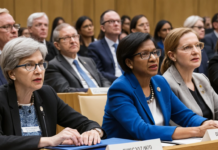
The Committee on the Exercise of the Inalienable Rights of the Palestinian People, established by the UN General Assembly in 1975, plays a pivotal role in this advocacy. It seeks to promote awareness about the Palestinian struggle while facilitating discussions aimed at achieving a peaceful resolution. The committee’s efforts highlight the urgency of addressing Palestinian rights as an integral component of regional stability and peace, making it clear that justice is essential for enduring solutions.
The global impact of the committee’s advocacy cannot be overstated. By consistently bringing issues related to Palestinian rights to international forums, they have mobilized support, cultivated dialogue, and fostered a broader understanding of the complexities surrounding the Israeli-Palestinian conflict. This global dialogue is crucial in encouraging nations and organizations to advocate for a peaceful resolution that respects the rights of all parties involved.
The Current Situation in Gaza and the West Bank
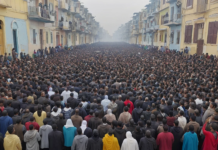
The humanitarian situation in both Gaza and the West Bank has reached a critical juncture, marked by severe challenges that have continued to escalate over recent years. According to reports from various humanitarian organizations, a staggering percentage of the Palestinian population suffers from a lack of access to basic necessities such as clean water, healthcare, and adequate shelter. With over two million residents in Gaza, the region faces an unprecedented humanitarian crisis, exacerbated by blockades and limited resources. The World Health Organization (WHO) has noted that medical facilities are operating beyond capacity, struggling to meet the needs of the injured and sick.
In the West Bank, the situation is equally alarming. The illegal expansion of Israeli settlements continues to displace Palestinian communities, leading to increased tensions and violence. The United Nations Office for the Coordination of Humanitarian Affairs (OCHA) reports that tens of thousands of Palestinians have been uprooted from their homes due to settlement activities, further violating their rights and dignity. Violent confrontations between Israeli forces and Palestinians have left hundreds injured, highlighting the urgent need for resolution and intervention.
Overall, the statistics paint a grim picture of a society under siege, with casualties increasing and families facing debilitating levels of insecurity. It is crucial that international organizations and governments recognize the scale of this crisis. Humanitarian aid is desperately needed to provide assistance to millions of affected individuals. The international community must come together to address these urgent humanitarian needs, advocating for the rights of Palestinians and working towards a peaceful resolution to this ongoing conflict.
International Responsibility and Actions Required
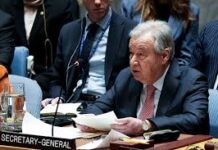
The plight of the Palestinian people has generated significant attention across the globe, calling for a coordinated response from member states and international organizations. It is critical that these bodies acknowledge their shared responsibility in addressing the ongoing humanitarian crisis and advancing the protection of Palestinian rights. The United Nations (UN) plays a pivotal role in this regard, with mandates that can guide member states toward effective actions.
One of the primary responsibilities of the international community is to uphold the principles of international humanitarian law and human rights. By providing political and diplomatic support to Palestinian statehood efforts, countries can foster conditions conducive to peace. It is essential for nations to advocate for the self-determination of Palestinians, aligning their foreign policies with principles that promote justice and equity. Furthermore, geopolitical backing can significantly influence the dialogue between Israel and Palestine, thereby encouraging negotiations that prioritize Palestinian rights.
Beyond political advocacy, tangible actions are paramount. Member states must contribute to humanitarian aid initiatives and support organizations such as the United Nations Relief and Works Agency for Palestine Refugees in the Near East (UNRWA). This agency plays a critical role in providing essential services, including education, health care, and emergency assistance to Palestinian refugees. An increase in funding and resources allocated to UNRWA would directly impact the lives of millions, ensuring that basic rights and needs are met.
Moreover, the international community must hold states accountable that violate or obstruct Palestinian rights. This includes imposing sanctions on human rights abusers and reaffirming international legal frameworks that protect civilians. Through concerted efforts and a commitment to justice, the global community can navigate the complexities of the Israeli-Palestinian conflict, fostering an environment that supports long-term stability and peace.
The Way Forward: Path to a Two-State Solution
The quest for a two-state solution remains a significant focal point in addressing the long-standing Israeli-Palestinian conflict. Rooted in international law, a two-state framework envisions the establishment of an independent State of Palestine alongside the State of Israel, ensuring mutual recognition and security. This vision, however, requires concerted efforts from both parties, alongside the support of the international community, to frame a viable path forward.
Key requirements for achieving a two-state solution include clear borders, the status of Jerusalem, the rights of refugees, and security guarantees for both states. Negotiated borders, based on pre-1967 lines with land swaps, can facilitate the establishment of a Palestinian state that is geographically coherent and economically viable. Jerusalem, a city of great significance to both sides, necessitates a shared governance model or international status to ensure that it serves as a capital for both nations, thereby fostering co-existence.
Moreover, addressing the plight of Palestinian refugees is paramount. A comprehensive resolution may involve compensation, resettlement options, and the right of return, all of which will require extensive dialogue and trust-building measures between the parties involved.
Unified Palestinian leadership is also critical in this endeavor. Fragmentation and division among Palestinian factions have hindered meaningful negotiations; thus, fostering a coherent leadership structure that represents the diverse interests of the Palestinian community is essential for effective advocacy and peace negotiations. Strengthening democratic institutions that embrace inclusivity will enhance their legitimacy in pursuing the rights and aspirations of the Palestinian people.
In conclusion, the path to a two-state solution encompasses recognizing the legitimate rights of both Israelis and Palestinians, promoting mutual security and respect, and demonstrating an authentic commitment to dialogue and cooperation. A proactive and united approach from Palestinian leadership, along with international support, is fundamental for transforming this vision into a lasting reality.