






















Understanding Human Fraternity
The concept of human fraternity has emerged as a vital principle that emphasizes our shared humanity and the need for collective responsibility towards one another. It promotes the idea that all individuals, regardless of their nationality, religion, or social status, are part of a larger family and deserve equal respect and dignity. Human fraternity challenges us to recognize our common bonds and to act in harmony for the greater good of society.
The origins of human fraternity can be traced back through various philosophical and religious teachings. Many cultures have long celebrated the notion of interconnectedness among people, yet it gained significant global prominence with the establishment of critical declarations. A landmark moment was the joint declaration by Pope Francis and Sheikh Ahmed el-Tayeb, issued in 2019. This document underscored the necessity of dialogue and collaboration among diverse faiths, seeking to foster a spirit of peace and understanding.
This declaration articulates that human fraternity is not just a theological concept but a practical guide for coexistence. It posits that through collective action and mutual recognition, communities can advance toward a more equitable and just world. The emphasis on equality highlights that every individual is inherently valuable, and the promotion of dignity ensures that no one is marginalized or left behind. By embracing these principles, societies can cultivate an environment where compassion and empathy prevail over division and conflict.
Moreover, as the world continues to face pressing challenges such as poverty, inequality, and climate change, the call for human fraternity has never been more imperative. It serves as a reminder that addressing global issues requires collective commitment and a unified approach, encouraging all individuals and communities to work together towards a harmonious future.
The Consequences of Division
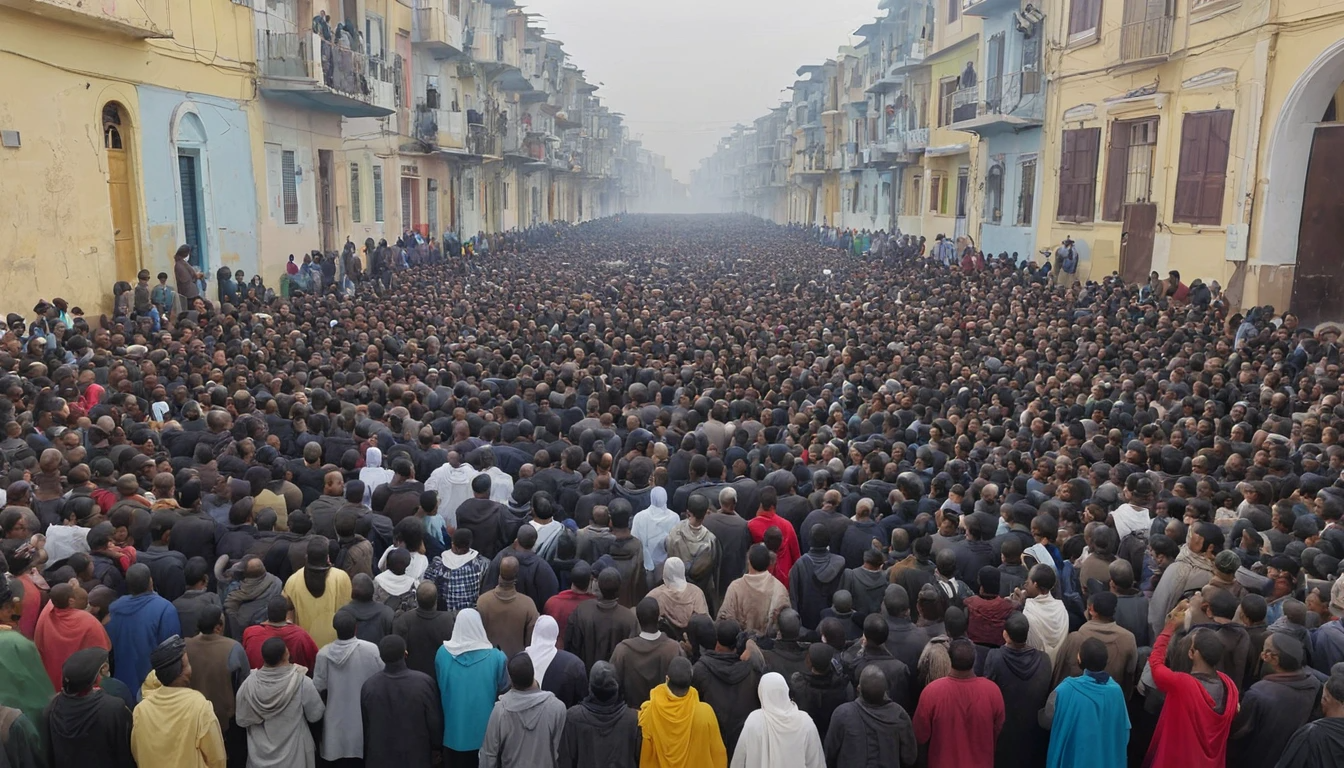
Cultural and religious differences have long been exploited throughout history, serving as potent catalysts for conflict and division. This manipulation has often led to catastrophic consequences, manifesting in wars, genocides, and long-standing societal unrest. Multiple historical instances illustrate this distressing pattern, showcasing how divisive narratives can incite communities to turn against one another.
One notable example is the Rwandan Genocide in 1994, where historical rivalries between the Hutu and Tutsi communities were amplified by external influences, leading to the mass slaughter of an estimated 800,000 individuals within a span of just 100 days. This tragic event underscores how cultural identities, when weaponized, can lead to devastating outcomes.
Moreover, the sectarian violence in the Middle East, particularly between Sunni and Shia Muslims, exemplifies the perilous intersection of culture, religion, and politics. The ongoing conflicts in countries like Iraq and Syria demonstrate how these differences, intertwined with geopolitical interests, have resulted in widespread suffering and destabilization. Such division is not confined to the battlegrounds; it permeates societies, eroding communal bonds and fostering discord.
In the contemporary world, technology plays a dual role in this dynamic. While it can connect individuals across borders, it can also propagate divisive ideologies through misinformation and hate speech. Social media platforms often serve as echo chambers, amplifying extremist views and inciting violence. This evolution necessitates a critical examination of our societal approach to cultural and religious differences.
Recognizing the damaging effects of division is crucial for progress. It compels us to foster an environment of understanding and empathy, paving the way for dialogue and coexistence. As we reflect on these historical lessons, it becomes imperative to champion unity over discord, paving the way towards a more harmonious future.
Fostering Common Ground
In an increasingly diverse world, fostering common ground is essential for building inclusive communities. By embracing our differences while also recognizing shared values, we can create social environments where everyone feels valued and respected. Tolerance, curiosity, and respect serve as crucial foundations for forging connections among individuals from various backgrounds.
One effective way to promote tolerance is through educational initiatives that encourage dialogue and understanding. Workshops focusing on cultural competence can be instrumental in dismantling stereotypes and enhancing empathy. For instance, programs involving cross-cultural exchange allow participants to immerse themselves in different traditions and perspectives. This not only increases awareness but also nurtures respect for varied lifestyles.
Community engagement activities provide another avenue for fostering common ground. Organizing events such as multicultural festivals, interfaith dialogues, or public forums can stimulate curiosity and promote collaboration among diverse groups. These initiatives represent opportunities to gather around shared interests, showcasing the beauty of different cultures while also addressing common issues faced by the community.
Moreover, establishing platforms for open communication can bridge divides. Neighborhood discussions, led by community leaders, offer a safe space for individuals to express their viewpoints while also listening to others. This practice cultivates respect over time, allowing for nuanced understanding and eventual reconciliation of differing perspectives.
It is vital that individuals take actionable steps to promote unity within their circles. Encouraging friends and family to participate in intergroup activities or volunteer together can weave a tapestry of interdependence, where differences are celebrated rather than divided. Through initiatives focused on inclusion and engagement, we can nurture an environment where common ground acts as a catalyst for collaboration and social harmony.
A Vision for a United Future
The concept of human fraternity presents a transformative opportunity for the world as we move toward 2026. By embracing this principle, individuals and communities can cultivate a culture rooted in understanding, empathy, and peace. Fraternity calls for a commitment to shared humanity, transcending the divisions that often separate us, whether they be cultural, religious, or ideological. When we recognize that our fates are intertwined, we begin to work collectively toward a united future.
At the heart of this vision is the idea of global citizenship—a recognition that everyone, regardless of their background, possesses inherent dignity and worth. This acknowledgment fosters a sense of belonging to a larger human family, enabling us to find common ground amidst our differences. Communities that prioritize understanding and respect become fertile ground for innovative solutions to pressing global challenges, ranging from climate change to social injustice. We must actively seek ways to forge connections, engaging in dialogues that promote cooperation and inspire positive change.
Moreover, the journey toward a united future rests upon educational initiatives that impart the values of fraternity and solidarity. By integrating these ideals into educational curricula, we empower future generations to become advocates for peace and understanding in their own communities. Additionally, each individual is encouraged to partake in local actions that reinforce these principles—whether through volunteering, participating in intercultural exchanges, or simply extending a hand of friendship to those who differ from us.
In essence, the vision for a united future calls for every individual to contribute to a global movement that embraces human fraternity. As we approach February 4, 2026, let us collectively commit to fostering unity and understanding within our communities, paving the way for a harmonious world where every person’s voice is heard and valued. This is our shared responsibility and privilege, and together, we can build a future defined by cooperation and mutual respect.