




















Overview of the INCB’s 144th Session
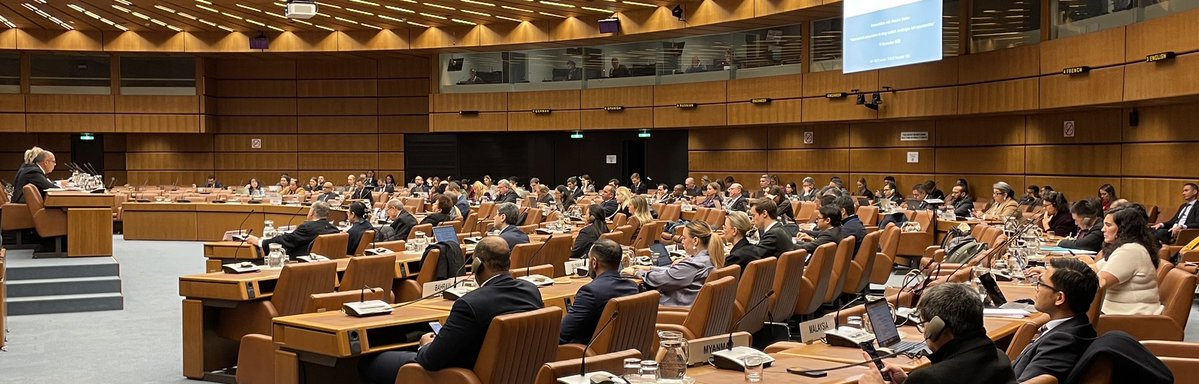
The 144th session of the International Narcotics Control Board (INCB) took place in a virtual format from March 8 to March 10, 2022. This innovative approach, driven by the ongoing global pandemic, provided an opportunity for participants worldwide to engage in discussions pertinent to drug control, regardless of geographical limitations. The session saw the involvement of key stakeholders including government representatives, non-governmental organizations, and experts from various fields associated with drug regulation and policy.
Under the presidency of Prof. Sevil Atasoy, the INCB has consistently emphasized the significance of international cooperation in facing the complexities of drug control. In her opening remarks, Prof. Atasoy stressed the critical role of existing international drug control frameworks, which not only promote the legitimate trade of controlled substances but also assist in curbing trafficking and misuse. These frameworks serve as mechanisms for countries to collaborate in mitigating the adverse effects of drug abuse and illicit drug markets.
The INCB’s 144th session presented an overview of regional and global challenges in drug trafficking, underscoring the need for enhanced collaboration among member states. Various presentations highlighted issues such as rising opioid addiction, the growing presence of synthetic drugs, and the evolving tactics of traffickers. The discussions reflected a shared acknowledgment that addressing these challenges requires a concerted global effort, entailing the sharing of intelligence, best practices, and resources among countries.
The outcomes of the 144th session represent a commitment to strengthen international cooperation, allow for mutual learning, and ultimately improve the effectiveness of drug control initiatives across the globe. By reinforcing these collaborative efforts, the INCB aims to pave the way for a more unified response to the multifaceted nature of drug-related issues.
Challenges in International Drug Control
International drug control remains a formidable challenge, exacerbated by a range of factors that hinder effective cooperation among nations. One of the most pressing issues is the marked rise in the production and consumption of synthetic drugs, which have surged in popularity due to their potency and ease of manufacture. This trend is not only complicating the monitoring processes but also overwhelming existing legislative frameworks designed for traditional substance control. As observed during the INCB’s 144th session, the chemical adaptability of synthetic drugs poses a unique threat that often outpaces regulatory capabilities.
Another significant hurdle identified during consultations is the disparity in drug availability among different regions. While some areas experience acute shortages of essential medications, others are grappling with rampant abuse and illicit trade. This uneven landscape highlights a profound inconsistency in drug control policies and practices, leading to inequitable access to treatment and care. Key stakeholders, including Dr. Larissa Razanadimby and Pierre Lapaque, emphasized that these imbalances not only affect public health but also challenge the universality of efforts aimed at combating drug-related issues.
The inconsistency in the application of drug control conventions across member states further complicates international collaboration. Variations in national legislation and enforcement practices can create significant gaps, allowing traffickers to exploit weaknesses while undermining the overall effectiveness of global initiatives. The INCB board members pointed out that a fragmented approach can often lead to ineffective responses to drug challenges. Collective efforts are hindered when member states fail to align on agreed-upon frameworks and best practices, resulting in a patchwork of policies that are difficult to enforce.
Overall, these challenges underscore the critical need for enhanced international cooperation in drug control to effectively address the complexities of today’s drug landscape.
Opportunities for Enhanced Cooperation
The International Narcotics Control Board (INCB) has repeatedly highlighted the need for improved collaboration on drug control initiatives among its member states. The most recent session, the 144th, put forward various recommendations aimed at fostering this international cooperation, which is deemed essential for effective drug control policies. A fundamental aspect of these recommendations includes the engagement of diverse stakeholders such as governmental bodies, international organizations, and civil society to strengthen networks that address the complexities of drug trafficking and abuse.
Among the notable participants were representatives from the 61 permanent missions at the United Nations, who stressed the importance of collective action in combating the global drug issue. Effective communication and coordination can maximize the use of resources, leading to better outcomes in the fight against drug-related problems. This call for enhanced collaboration resonates strongly within the context of shared responsibilities among nations, particularly in jurisdictions where drug trafficking poses substantial challenges.
The role of organizations like the Universal Postal Union is particularly pertinent, as they facilitate international mail exchange, which can inadvertently serve as a conduit for illicit drug distribution. A cooperative framework that involves postal services can be transformative, equipping member states with tools to detect and intercept harmful substances before they reach their final destinations. The INCB underscores that such collaborative strategies could significantly diminish the prevalence of trafficking and abuse of narcotic drugs.
Looking ahead, the forthcoming thematic chapter of the 2025 INCB annual report is set to provide valuable insights into the state of global cooperation in drug control. By analyzing successful collaborative models and case studies, this chapter will aim to encourage member states to share best practices and enhance their cooperative spirit. Continuous efforts in this area are vital for creating a cohesive and effective response to the ongoing global drug crisis. The promotion of international cooperation in drug control represents a strategic opportunity to confront these challenges efficiently and holistically.
Key Developments and Future Directions
The 144th session of the International Narcotics Control Board (INCB) showcased significant advancements in international drug control efforts. One notable development was the introduction of new members to the board, bringing diverse experiences and perspectives that are expected to enhance the INCB’s effectiveness. This change is likely to influence various aspects of drug control policies and foster collaborative approaches in the years ahead.
In addition to board transitions, the INCB’s ongoing partnerships with the United Nations Office on Drugs and Crime (UNODC) remain pivotal. These alliances are focused on aligning global and regional drug control strategies with sustainable development goals. The session highlighted joint initiatives that seek to address emerging challenges within the scope of drug trafficking and abuse, particularly in regions where these issues are most pressing.
Another key area of focus during the session was the engagement with organizations dedicated to palliative care. This collaboration emphasizes the INCB’s commitment to ensuring that patients in need have access to essential controlled substances while also addressing concerns about drug misuse. Such initiatives underscore the balance between adequate availability for legitimate medical needs and robust control measures to prevent diversion and abuse.
A review of licit requirements for controlled substances was also undertaken, aiming to streamline processes and enhance accessibility for various medical purposes. This review is crucial as it lays the groundwork for a more responsive regulatory environment that prioritizes patient welfare without compromising safety. Furthermore, significant progress was made towards finalizing the 2025 annual report, which will provide comprehensive insights into the global drug situation and inform future actions.
Looking ahead, the INCB is poised to navigate evolving trends in drug control. New projects are likely to emerge as global contexts shift, and continued enhancements in international cooperation will be essential for ensuring effective responses to these changes. Comprehensive strategies that consider both public health and safety will be central to shaping the future framework of international drug control.
Frequently Asked Questions
Dear Sharief, thank you for your note. The 144th session of the INCB was held at the Vienna International Centre from 10 to 21 November 2025, in a face-to-face format. Please correct your first sentence accordingly.
Best regards, Prof. Dr. Sevil Atasoy, INCB President.




… [Trackback]
[…] Find More Informations here: menaeditorsnetwork.org/international-cooperation-in-drug-control-insights-from-the-incbs-144th-session/ […]
Dear Sharief, thank you for your note. The 144th session of the INCB was held at the Vienna International Centre from 10 to 21 November 2025, in a face-to-face format. Please correct your first sentence accordingly.
Best regards, Prof. Dr. Sevil Atasoy, INCB President.