

Introduction
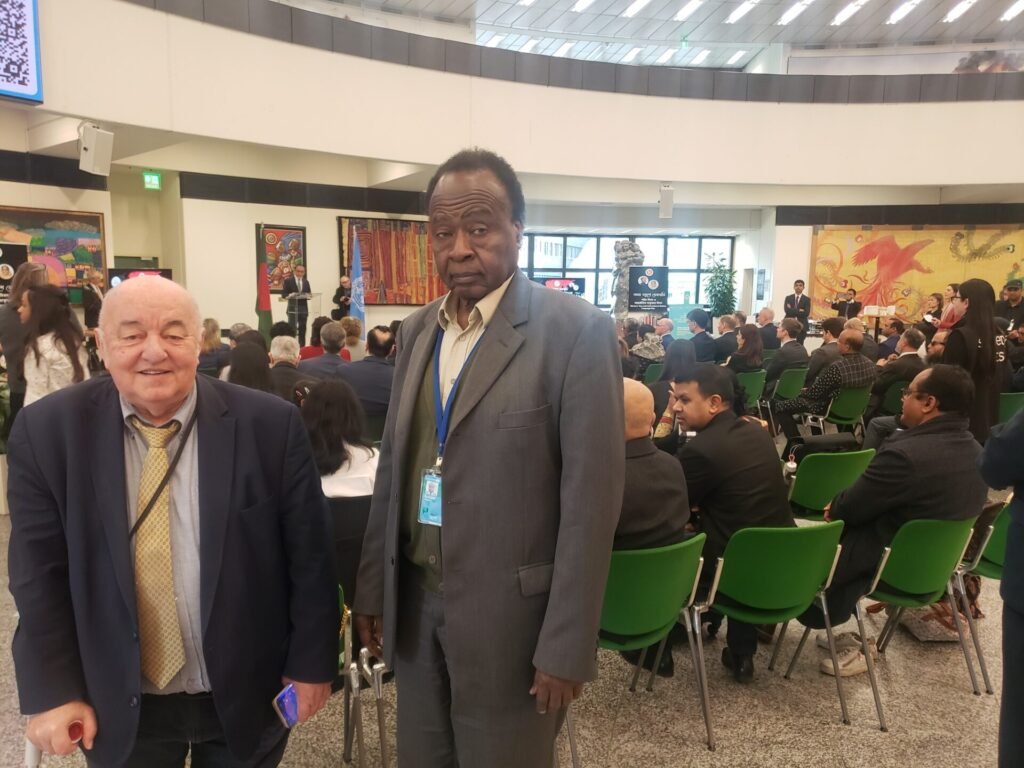
The celebration of International Mother Language Day is an important event that promotes linguistic diversity and multilingual education. This year, the celebration took place at Rotunda-VIC in Vienna on February 21, 2024. The event was jointly organized by the Permanent Mission of Bangladesh and the United Nations Information Service (UNIS). Since the year 2000, UNESCO has been commemorating this international event annually on February 22.
Theme: Multilingual Education is a Pillar of Intergenerational Learning
The theme of the International Mother Language Day celebration in 2024 is “Multilingual Education is a Pillar of Intergenerational Learning.” This theme highlights the significance of embracing diverse languages and promoting multilingual education as a means to foster intergenerational learning and preserve cultural heritage.
Promoting Linguistic Diversity
Linguistic diversity is a fundamental aspect of human culture and heritage. It is through language that individuals express their thoughts, emotions, and identities. The celebration of International Mother Language Day aims to raise awareness about the importance of preserving and promoting linguistic diversity worldwide.
Importance of Multilingual Education
One of the key pillars of intergenerational learning is multilingual education. By providing education in multiple languages, we enable individuals to develop a deeper understanding of their own culture and heritage. Multilingual education also fosters inclusivity, as it allows individuals from different linguistic backgrounds to participate fully in educational and societal activities.
Preserving Cultural Heritage
Language is an integral part of a community’s cultural heritage. When a language is lost, a significant part of a community’s identity and knowledge is also lost. Multilingual education plays a crucial role in preserving cultural heritage by ensuring the transmission of languages from one generation to the next. It allows younger generations to connect with their roots and maintain a strong sense of cultural identity.
Benefits of Multilingual Education
There are numerous benefits to embracing multilingual education:
- Cognitive Development: Multilingual education enhances cognitive abilities, such as problem-solving, critical thinking, and creativity.
- Improved Communication: Being proficient in multiple languages enables individuals to communicate effectively with people from diverse linguistic backgrounds.
- Enhanced Cultural Understanding: Learning different languages fosters empathy, cultural sensitivity, and a broader understanding of global perspectives.
- Employment Opportunities: In today’s globalized world, multilingual individuals have a competitive edge in the job market, opening up a wider range of career opportunities.
UNESCO’s Role in Promoting Multilingual Education
UNESCO plays a crucial role in promoting multilingual education globally. Through its initiatives and programs, UNESCO encourages countries to develop policies that support the preservation and promotion of linguistic diversity. UNESCO also provides guidance and resources to educators to implement effective multilingual education strategies.
Conclusion
The celebration of International Mother Language Day in 2024 highlights the importance of multilingual education as a pillar of intergenerational learning. By embracing linguistic diversity and promoting multilingual education, we can preserve cultural heritage, foster inclusivity, and equip individuals with the necessary skills to thrive in a globalized world. Let us continue to celebrate and promote the richness of our mother languages for the betterment of future generations.