
Saturday, December 6, 2025

💬 A Note to Our Readers

We’d like to sincerely thank all of you for your reactions, thoughtful messages, and the many emails we receive every day. Your engagement means a lot to us, and we do our best to respond to as many questions as possible — even though we receive hundreds of messages daily. We're working on a solution to improve communication in the future.
All articles published on our website are written by the individuals whose names are listed — we do not hire external writers. Our site is built on WordPress and designed by our own Arthouse, which has been active in the creative field for many years.
Please note that spelling may vary across articles, as some are written in British English and others in American English. These differences are intentional and not errors.
Our content changes daily and reflects a wide range of topics and perspectives. While not every article may appeal to everyone, we strive to offer valuable insights and information to benefit all our readers.
We are a non-profit organization (NGO) and do not operate for commercial gain. Our work is supported by member subscriptions and generous donations — for which we are deeply grateful.
Thank you for being part of our community.
HomePoliticsOverview of the Security Council Committee's Insights on Libya's Panel of Experts'...

Overview of the Security Council Committee’s Insights on Libya’s Panel of Experts’ Interim Report

Introduction

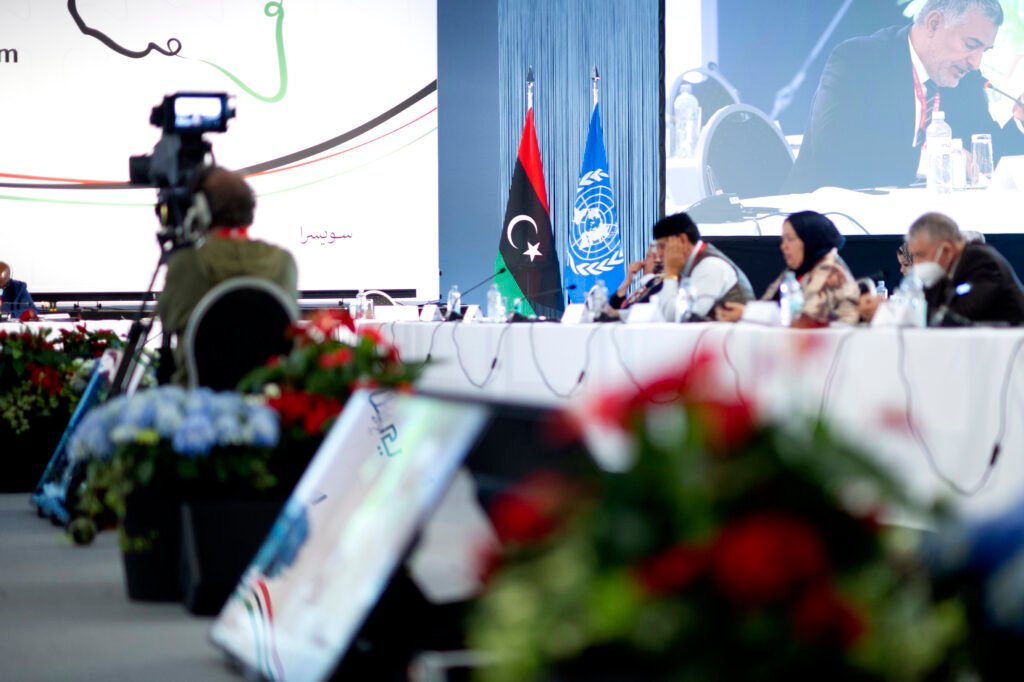
On June 7, 2024, the Security Council Committee concerning Libya engaged in informal consultations to deliberate the interim report presented by its panel of experts. These discussions stemmed from the framework established in resolution 1970 (2011) and are critical in addressing ongoing issues in Libya.

Presentation by the Panel Coordinator

During the session, the coordinator of the panel provided an insightful presentation outlining the key findings of the interim report. The panel of experts evaluated the prevailing conditions in Libya and identified significant challenges hindering the country’s stability. Their thorough analysis serves as a foundation for the committee’s ongoing efforts to conceptualize effective responses to the situation.

Interactive Discussion and Recommendations

Following the presentation, an interactive discussion ensued, allowing committee members to voice their perspectives and seek clarity on specific points raised in the interim report. A crucial aspect of these discussions focused on the four recommendations highlighted by the panel. These proposals are under active consideration by the committee, which is exploring potential follow-up actions aimed at improving Libya’s circumstances.

In conclusion, the committee’s consideration of the interim report not only reflects a commitment to enhancing stability in Libya but also emphasizes the importance of collaborative efforts among member states. The insights gleaned from this session will presumably guide future actions and resolutions regarding Libya’s pathway to peace.

RELATED ARTICLES

LEAVE A REPLY

Please enter your comment!
Please enter your name here

Most Popular

Recent Comments