






















The Misconception of Journalism’s Decline
Despite common narratives suggesting that journalism is experiencing an irrevocable decline, recent data reveals a more complex and optimistic picture. The rise of digital journalism has unveiled new platforms that not only cater to traditional audiences but also engage younger generations who consume news differently. Innovations in mobile technology and social media have broadened the accessibility of news, amplifying the reach of journalistic endeavors worldwide.
Regions such as the Middle East and North Africa (MENA) illustrate this dynamism. In these areas, digital platforms have become indispensable tools for information dissemination. For instance, citizen journalism has flourished alongside established news outlets, empowering communities to report on local issues that are often overlooked. Initiatives like this highlight the resilience and adaptability of journalism, showcasing its evolution rather than a descent into obsolescence.
Furthermore, as audiences increasingly seek out credible and diverse sources of information, the commitment and integrity of journalists have never been more pivotal. In an era where misinformation can spread rapidly, dedicated journalists are working tirelessly to ensure that accuracy prevails. Their contributions not only support democracy but also foster a more informed public. This dedication is crucial as societies navigate complex global challenges, including political unrest, social inequalities, and climate change.
Thus, while it is easy to be swayed by the negative rhetoric surrounding traditional media and its struggles against economic pressures, it is imperative to acknowledge the emerging possibilities that technology offers to journalism. By harnessing innovative approaches and reaffirming the values of truth and accountability, journalism is not in decline; rather, it is entering a transformative phase that enriches its role in society.
The Plight of Journalists in a Hostile Environment
Journalists worldwide are increasingly operating in hostile environments characterized by violence and intimidation. The conditions under which they work have deteriorated, making the pursuit of truth a perilous endeavor. Recent reports indicate a surge in incidents where journalists are subjected to harassment, threats, and in the most extreme cases, murder. According to the Committee to Protect Journalists (CPJ), the year 2022 alone witnessed over fifty journalists killed globally, highlighting the deadly risks associated with reporting in many regions.
Such violence is not confined to war zones or oppressive regimes; it extends into democratic countries where free speech is ostensibly upheld. In some instances, journalists face retaliation for exposing corruption, governmental misconduct, or social injustices, thus creating a chilling effect that discourages investigative reporting. Instances of physical attacks, legal harassment, and online threats are increasingly common, with many journalists forced to censor themselves in order to ensure their safety.
The implications of this hostile environment extend beyond the safety of individual journalists; they reflect a broader societal issue. When journalists are silenced through intimidation or violence, it undermines the public’s right to information and erodes the foundations of democracy. A climate where fear prevails over freedom of expression restricts the ability to scrutinize authority and hold power accountable. The ramifications are vast, affecting not just the journalistic community but society as a whole, as informed citizenry becomes a rarity.
Thus, there is an urgent need to protect journalists as they are crucial defenders of democracy. The risks they undertake to fulfill their role in society should be acknowledged, and measures must be taken to ensure their safety and security. Creating an environment where journalists can operate without fear of retribution is essential for fostering a healthy, functioning democracy.
The Need for Collective Action and Advocacy
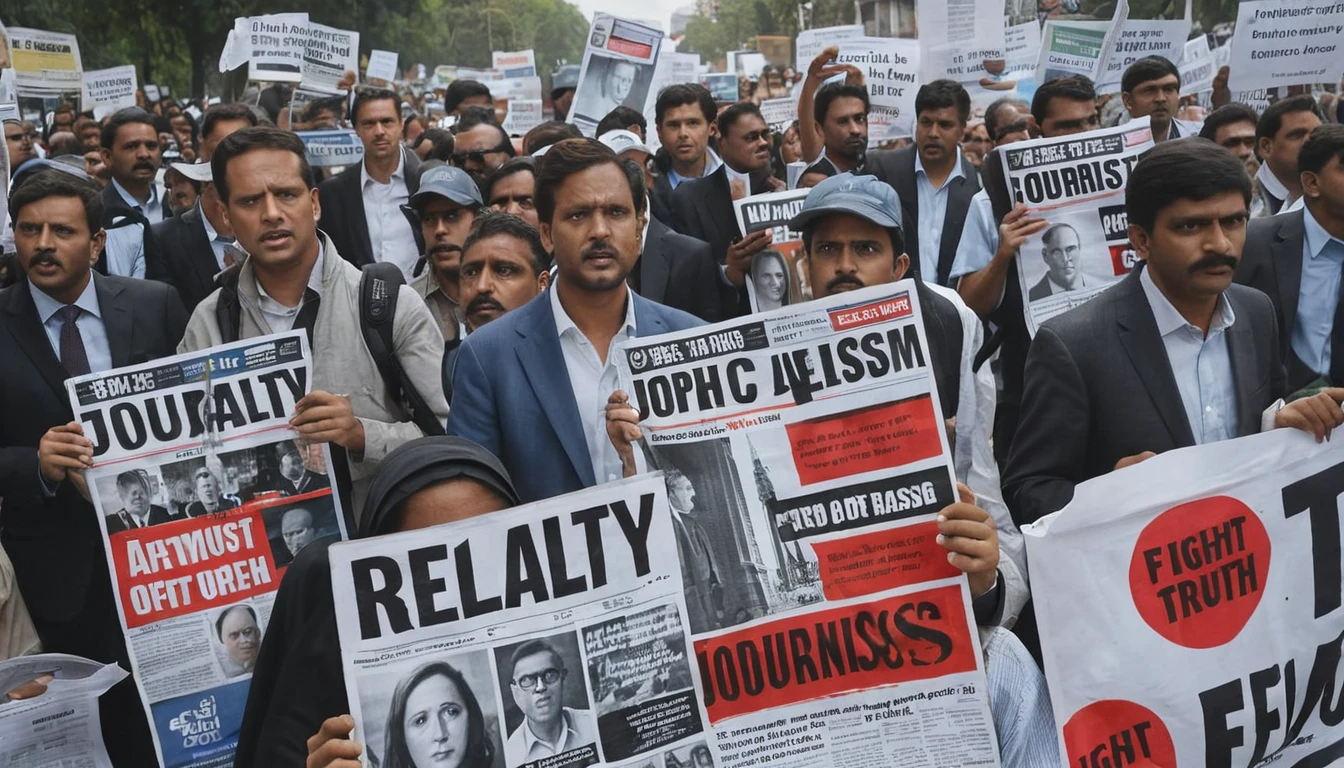
In the current climate, where journalists face increasing threats to their safety and freedom, it is paramount that collective action and advocacy efforts are amplified. Stakeholders, including governments, media organizations, and the general public, must unite to foster an environment where journalism can thrive, free from intimidation and censorship.
Governments hold a pivotal role in safeguarding press freedom by not only implementing robust legal frameworks but also by ensuring these laws are enforced. This encompasses instituting clear mechanisms for holding accountability for crimes against journalists. Furthermore, governments should spearhead initiatives that promote awareness and education regarding the importance of journalism in serving the public interest. Only through a comprehensive approach can nations begin to reverse the tide of violence and repression that many reporters are facing today.
Media organizations, on the other hand, can create safer work environments for their personnel by investing in security training and resources for journalists operating in high-risk regions. This includes advocating for better working conditions and fair treatment of freelance and local journalists who often bear the brunt of hostility. By prioritizing the welfare of their workforce, media houses can help mitigate the risks associated with investigative reporting and frontline journalism.
Moreover, the public must also engage actively in advocating for press freedom. Citizens can support journalism by seeking out credible sources, participating in campaigns against media repression, and promoting the significance of a free press in democratic societies. Advocacy initiatives at the grassroots level play a vital role in reinforcing the message that attacks on journalists are attacks on the fabric of democracy.
Ultimately, a multifaceted and cooperative approach is essential. Collaborations between local and international bodies can lead to stronger, enforceable laws that protect journalists globally, ensuring their voices continue to resonate in pursuit of truth. With concerted efforts from all sectors, the fight for journalistic integrity can forge a path to quelling the rising peril faced by those on the front lines.
Championing the Future of Journalism
The role of journalism in society cannot be overstated; it serves as the fourth pillar of democracy, holding power accountable and providing citizens with vital information necessary for informed decision-making. In the context of rising peril and challenges faced by journalists, it becomes essential for individuals and communities to recognize the importance of valuing and supporting journalism. By doing so, we contribute to the preservation of a free and open society, where truth prevails over misinformation.
Citizens play a crucial role in advocating for the safety and freedom of journalists. Active engagement can take many forms, including supporting local news organizations, sharing credible news sources, and participating in discussions about the importance of free press. Communities can establish platforms where journalists are celebrated and their work is evident in the decision-making processes around community issues. Acknowledging the risks faced by journalists not only empowers their work but also cultivates a culture of respect for the truth.
Moreover, standing in solidarity against oppression is paramount. This can include participating in campaigns that raise awareness about the violence and persecution journalists face, as well as engaging in initiatives that push for legislative reforms aimed at protecting journalism. Citizens must insist on the protection of journalists’ rights, fostering a collaborative environment where journalists can operate without fear. Engaging in meaningful support underscores society’s responsibility in defending the freedoms that journalism represents.
In conclusion, the future of journalism depends on our collective action and commitment to upholding its ideals. It is imperative to advocate not only for the truth that journalists work to uncover but also for their rights and safety as they do so. Let us champion the cause of journalism, ensuring our fight for truth rings loud and clear, elevating the voices dedicated to delivering it.