




















Introduction to the General Assembly’s Recent Actions
The United Nations General Assembly (UNGA) has convened for a critical session that has seen pivotal discussions and decisive actions regarding global humanitarian efforts. This session is significant not only in terms of its resolutions but also for the leadership appointments that shape international responses to pressing global challenges. In particular, the appointment of Barham Ahmed Salih as the new UN High Commissioner for Refugees is a noteworthy development that reflects the Assembly’s commitment to addressing the complex and multifaceted issues facing refugees worldwide.
During this session, the General Assembly adopted an unprecedented 35 texts from the third committee, which are dedicated to addressing pressing social, humanitarian, and cultural matters. These resolutions represent the collective effort of member states to confront issues ranging from human rights and social welfare to environmental sustainability and cultural preservation. The implications of these decisions extend far beyond the assembly hall, influencing national policies and international cooperation in diverse areas.
The context of these actions is deeply rooted in the ongoing global challenges that demand immediate and sustained attention. As millions continue to be displaced due to conflict, persecution, and natural disasters, the role of the UN High Commissioner for Refugees becomes increasingly crucial. The recent decisions adopted by the UNGA not only highlight the urgency of these challenges but also underscore the importance of solidarity among nations to collectively tackle humanitarian crises.
This session’s focus on social and humanitarian resolutions is indicative of a growing recognition among global leaders of the need for a concerted effort in multilateral diplomacy, emphasizing collaboration to ensure that the rights and needs of vulnerable populations are prioritally addressed.
Appointment of Barham Ahmed Salih as UN High Commissioner for Refugees
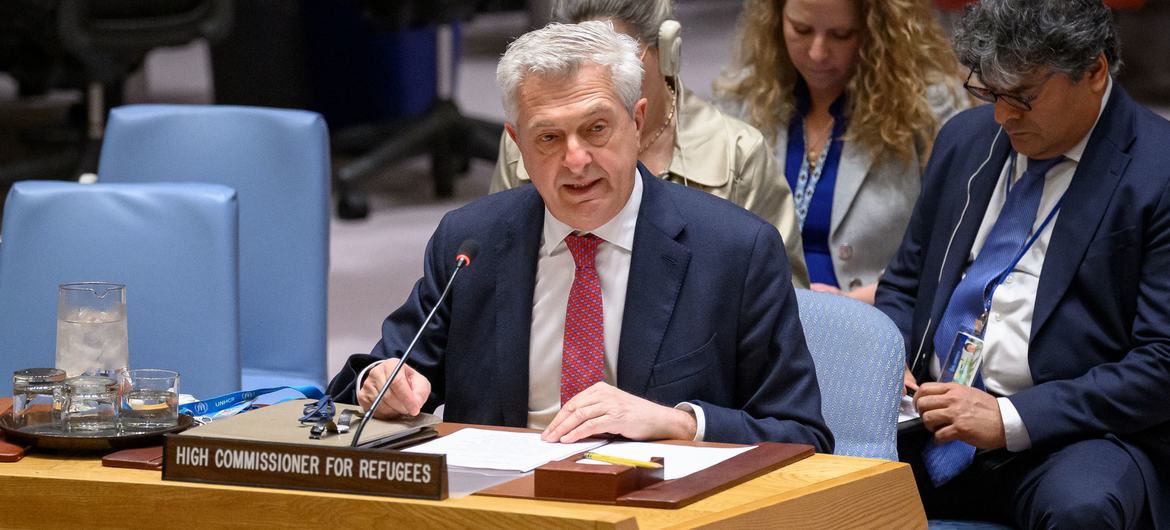
Barham Ahmed Salih has been appointed as the new UN High Commissioner for Refugees, a role that places him at the forefront of addressing one of the most pressing global challenges: the plight of refugees and displaced people. Salih, who previously served as the President of Iraq, brings a wealth of experience in governance and international relations to this crucial position. His tenure as the head of state equipped him with insights into the complexities surrounding conflict and displacement, particularly in the Middle East, and has prepared him to navigate the intricate landscape of international refugee policies.
During his presidency, Salih advocated for inclusive governance and the protection of human rights, principles that are vital for the future of the UN Refugee Agency. His leadership style, marked by a commitment to dialogue and collaboration, is expected to foster stronger partnerships with governments, humanitarian organizations, and local communities. This collaborative approach will be instrumental in bolstering the Agency’s efforts to provide support and protection to millions of individuals forced to flee their homes due to war, persecution, and natural disasters.
As the new High Commissioner, Salih will have key responsibilities including the development and implementation of global refugee policies, advocating for the rights and needs of refugees, and ensuring effective emergency responses to refugee crises. Over the next five years, he aims to prioritize solutions that empower refugees, enhance their resilience, and facilitate their integration into host communities. Through his leadership, it is anticipated that the UN Refugee Agency will not only respond to immediate humanitarian needs but also address the root causes of displacement, setting a transformative agenda for refugee initiatives worldwide.
Contentious Resolutions and Human Rights Issues
The UN General Assembly recently adopted a series of resolutions that spotlight pressing human rights concerns across several nations, including Iran, Ukraine, Syria, Myanmar, and North Korea. Each resolution calls for specific actions aimed at addressing perceived injustices and promoting accountability in these regions. For instance, the resolution on Iran emphasizes the need for international scrutiny regarding the treatment of protestors and political dissidents, while that for Ukraine addresses the humanitarian crisis stemming from ongoing conflicts.
Supporters of these resolutions argue that they represent a necessary commitment to uphold international human rights standards. They assert that addressing such issues is vital for fostering accountability and justice, promoting transparency, and ultimately enhancing the dignity of affected individuals. In contrast, opponents often claim that these resolutions can reflect geopolitical biases, potentially undermining the UN’s perceived neutrality. Countries such as Russia and China have criticized certain resolutions as manifestations of Western interests aimed at isolating rival regimes rather than serving the humanitarian goals they profess.
These diverging perspectives not only highlight the complexity of navigating human rights discussions within the UN framework but also underscore broader geopolitical tensions. For instance, the support or opposition of specific resolutions can be interpreted as a reflection of alliances and rivalries among member states. Consequently, the adoption of these resolutions can have significant implications for international relations, influencing diplomatic interactions and potentially leading to retaliatory measures or increased sanctions.
Ultimately, the debates surrounding these contentious resolutions illustrate the ongoing struggle to balance the imperative of human rights advocacy with the realities of international diplomacy. Stakeholders must navigate these intricate dynamics to pursue effective outcomes that respect both human rights and national sovereignty.
Broader Themes: Rights of Migrants and Journalists’ Safety
The recent session of the UN General Assembly has highlighted several crucial themes related to the rights of migrants and the safety of journalists, recognizing that these issues are intrinsically linked to global peace and human security. One of the significant resolutions passed is focused on ensuring the protection and promotion of the human rights of migrants, acknowledging their inherent dignity regardless of their legal status. This resolution emphasizes the necessity for states to adopt inclusive strategies that safeguard migrants from exploitation and discrimination, ensuring their access to essential services such as health care and education.
Furthermore, the General Assembly underscored the importance of international cooperation in addressing the challenges faced by migrants. The resolution calls for the establishment of frameworks that allow for better management of migration flows and the protection of migrants’ rights. This approach not only promotes respect for human rights but also enhances national security by fostering social cohesion and integrating migrants into host societies. As migration continues to be a pressing global issue, the implementation of these resolutions is essential in creating humane conditions for migrants worldwide.
In parallel, the safety of journalists has emerged as a critical focus within the UN discourse, particularly in the context of increasing threats to press freedom. The Assembly’s resolutions advocate for the protection of journalists, recognizing their role in promoting democracy and transparency. They emphasize the need to provide a safe environment for journalists, free from violence, harassment, and intimidation. The call for accountability for crimes against journalists is significant, as it lays the groundwork for fostering an environment conducive to open dialogue and the free exchange of information.
The resolutions discussed illustrate the UN’s commitment to addressing these interrelated themes. By prioritizing the rights of migrants and the safety of journalists, the General Assembly is not only addressing immediate concerns but also laying the foundation for a more stable and just global community.