















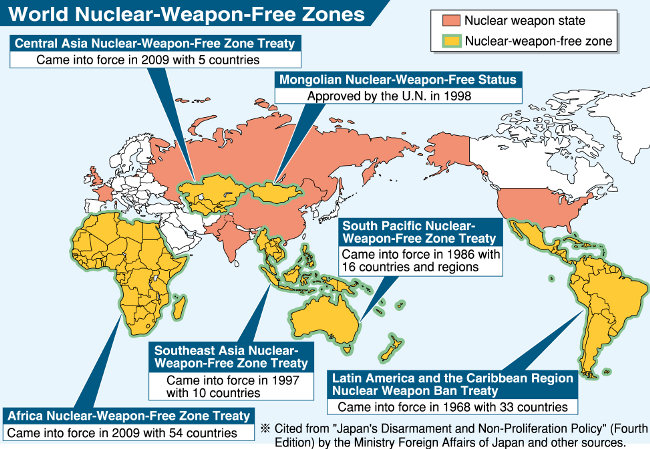
Overview of the Conference on Middle East Nuclear Weapons
The United Nations has been at the forefront of discussions aimed at establishing a nuclear-free zone in the Middle East, particularly through the ongoing conference series centered on nuclear disarmament in this sensitive region. The sixth session of this pivotal conference was held from November 29 to December 1, 2022, at the UN headquarters in New York. This gathering is part of a broader initiative to not only address the pressing challenges stemming from nuclear armament but also to foster a climate conducive to peace and security among Middle Eastern nations.
The primary objective of the conference was to promote discussions that could lead to the implementation of a legally binding instrument aimed at prohibiting nuclear weapons in the region. Participants represented a wide array of stakeholders, including state actors, international organizations, and civil society groups, all of whom contributed perspectives essential for comprehensively understanding and tackling the complexities surrounding nuclear proliferation.
This initiative is not just significant on a regional scale; it holds considerable importance in the global discourse on nuclear non-proliferation. The Middle East has been embroiled in longstanding conflicts, and the presence of nuclear weapons poses a significant risk to stability and peace efforts. The conference also underscored the necessity for increased diplomatic engagement to cultivate trust and cooperation among nations who have historically been at odds.
Moreover, this diplomatic engagement aligns with the broader international efforts toward nuclear disarmament, emphasizing the interdependence of global security and regional stability. The continuous dialogue fostered through these conferences serves as a crucial platform for addressing concerns and mobilizing collective action against the looming threat of nuclear weapons, reaffirming the UN’s commitment to achieving a nuclear-free Middle East. This commitment reflects a hopeful vision for the future, where nations can coexist peacefully without the shadow of nuclear warfare.
Progress and Commitment Shown by Participating States
In recent sessions of the conference, the commitment demonstrated by participating states towards achieving a nuclear-free Middle East has been both tangible and commendable. During these sessions, a cooperative atmosphere prevailed, highlighting the shared objective of nuclear disarmament. The collaborative dialogue facilitated by the United Nations provided an essential platform for states to openly discuss their views and concerns. This environment fostered constructive engagement, allowing participants to address various regional security issues collaboratively.
Key advancements include the reaffirmation of existing agreements aimed at preventing the proliferation of nuclear weapons. Participating states have actively worked towards consensus-based negotiations, which are crucial for building trust among nations. Specific outcomes from recent meetings include the collective commitment to enhance transparency and confirm the peaceful use of nuclear energy, as well as the establishment of mechanisms for mutual oversight. These efforts illustrate a recognition of the principle that security is best achieved through collaboration rather than competition.
Moreover, the significance of the progress made is not only evident in the negotiations themselves but also in how these developments are perceived by the international community. Supporting a nuclear-free zone in the Middle East indicates a collective commitment to ensuring long-term regional stability. This approach aligns with global disarmament initiatives, reassuring the world that steps are being taken towards a safer future. The consensus among participating states serves as a foundation for ongoing dialogue, setting a precedent for future negotiations and actions. These advancements represent a hopeful stride toward realizing the ultimate goal of a nuclear-free Middle East.
Role of the UN Secretary-General in Promoting Disarmament
The UN Secretary-General, António Guterres, plays a crucial role in advancing disarmament initiatives on a global scale, particularly in the context of promoting a nuclear-free Middle East. As an advocate for peace and security, Guterres has consistently emphasized the necessity of eliminating nuclear weapons and fostering a climate of trust among nations. His leadership is vital in galvanizing international support for disarmament efforts, specifically in regions facing geopolitical tensions.
Under Guterres’s stewardship, the United Nations has engaged with member states to facilitate open dialogues regarding disarmament. This includes his strong backing for the establishment of a conference aimed at discussing and enhancing the disarmament process in the Middle East. His initiatives are designed to create a collaborative atmosphere in which countries can address their security concerns while progressively working towards nuclear disarmament. This is particularly relevant given the ongoing security dynamics in the region, where the presence of nuclear weapons raises significant concerns among neighboring states.
Furthermore, Guterres has offered specific assurances to participating nations about the UN’s continued support for disarmament initiatives. He recognizes that cooperative disarmament efforts require a robust framework within which regional powers feel assured of their security and sovereignty. By promoting transparency and confidence-building measures, the Secretary-General aims to dismantle the barriers that often hinder progress towards a nuclear-free Middle East.
In addition to these commitments, Guterres has reiterated the importance of compliance with international treaties and cooperative disarmament frameworks. This compliance is pivotal in establishing a sustainable environment that discourages nuclear proliferation in the region. Through his dedicated advocacy, Guterres embodies the UN’s mission to foster peace, security, and disarmament, underscoring the organization’s vital role in mitigating nuclear threats globally.
Leadership and Future Steps in the Disarmament Process
The recent conference addressing the commitment to a nuclear-free Middle East has showcased significant leadership from key representatives, notably Omar Hilale and Omar al-Kathiri. Their roles have been pivotal in steering discussions toward productive outcomes, underscoring the necessity of disarmament within the region. Omar Hilale, representing Morocco, articulated the importance of collaborative effort among nations to ensure enhanced security and stability, emphasizing that the proliferation of nuclear weapons poses a profound threat to global peace. On the other hand, Omar al-Kathiri from the United Arab Emirates has actively advocated for more stringent measures to prevent the spread of nuclear capabilities, advocating transparency and trust-building measures among states.
Looking ahead, expectations are high for future sessions of the conference. Key contributors have been called upon to maintain momentum and nurture a spirit of cooperation among Middle Eastern nations. Future discussions will likely revolve around concrete actions that can be taken to advance disarmament, alongside the establishment of a regional framework that fosters accountability and compliance with international treaties. This framework aims to mitigate the chances of nuclear proliferation, thereby laying a solid foundation for a nuclear-free Middle East.
However, the path forward is not without challenges. The complexity of regional politics, coupled with existing tensions, could hinder disarmament efforts. Additionally, divergent national interests and levels of commitment to nuclear non-proliferation can obstruct progress. Yet, opportunities abound as nations realize the shared benefits of a disarmed region. By fostering dialogue and establishing trust, states can begin to bridge divides that have historically impeded collaboration in nuclear disarmament. This proactive approach is essential for addressing both immediate security concerns and long-term aspirations for peace.
In conclusion, the leadership demonstrated by Omar Hilale and Omar al-Kathiri signals a positive shift towards a collective commitment in the disarmament process. By addressing both challenges and opportunities, the upcoming sessions of the conference hold promise for progress in achieving a nuclear-free Middle East, contributing to broader global nuclear non-proliferation efforts.