






















Introduction to the Current Situation in the Persian Gulf
The Persian Gulf region has been characterized by significant geopolitical tensions, especially in light of recent developments surrounding U.S.-Iran relations. A noteworthy event occurred recently with a two-week ceasefire agreement fostered between the United States and Iran, a move that signals a potential easing of hostilities that have plagued the region for years. This ceasefire not only halts aggressive actions but also offers a glimmer of hope for diplomatic dialogue between the two nations, whose contentious history has heavily influenced the security dynamics in the Gulf.
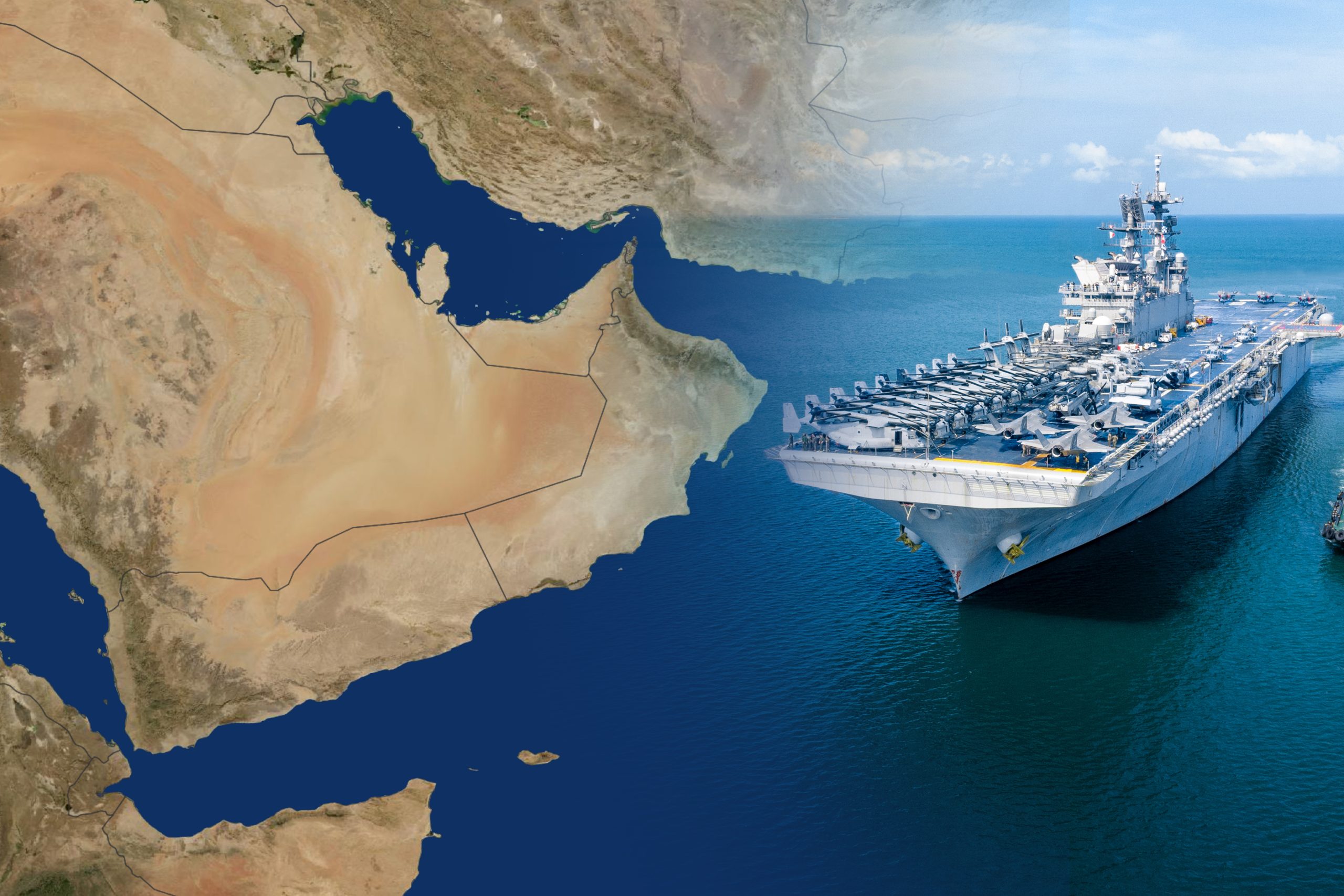
The ongoing blockade imposed by Washington on Iranian shipping and economic activities has contributed to an environment of uncertainty. Such sanctions have drawn international concern, particularly regarding their impact on vital shipping routes, especially the Strait of Hormuz. This narrow gateway is crucial for the global oil supply, with about one-fifth of the world’s oil passing through it. The blockade, therefore, raises alarms about the potential for increased military presence in the region as nations seek to ensure the security of their shipping interests.
Furthermore, the fragile nature of the ceasefire agreement emphasizes the delicate balance of power within the Persian Gulf. Regional players are vigilant, as any misstep could lead to renewed conflict, which may reignite broader regional tensions involving other countries with vested interests in the area. The participation of various nations in naval operations within this strategic waterway speaks to the importance of maintaining regional stability. As this situation continues to evolve, the implications of the ceasefire are pivotal not only for the U.S. and Iran but for the entire Gulf region and global trade dynamics.
Greece’s Naval Involvement: Discussions and Collaborations
In recent times, Greece has emerged as a crucial player in discussions surrounding maritime security in the Persian Gulf, particularly in relation to the Strait of Hormuz. This critical maritime passage serves as a significant route for commercial vessels transporting oil and other goods between the Middle East and global markets. In this context, Greece is actively engaged in discussions with key partners, notably France and the United States, regarding the establishment of a naval force to escort these commercial vessels, enhancing their safety and securing the flow of trade.
Greece’s strategic geographical position enhances its importance in these discussions. Situated at the crossroads of European and Middle Eastern waters, Greece offers unique advantages for naval operations, making it a prime candidate for collaborative efforts aimed at ensuring regional stability. The country’s navy possesses a degree of expertise and operational capability that can significantly contribute to joint missions in the Persian Gulf.
The potential benefits of Greece’s participation in a naval force dedicated to escorting vessels include enhanced security for international shipping lanes and improved relations with NATO allies and regional partners. Such collaborations can foster deeper ties and create frameworks for cooperative security initiatives, which are vital for the collective defense strategies undertaken by NATO and other privy countries. However, Greece must also weigh the risks involved. Engaging in military collaborations in volatile regions can escalate tensions and draw the country into complex geopolitical disputes.
Ultimately, Greece’s involvement in maritime security discussions represents an opportunity to bolster its strategic role within the broader international framework while reinforcing vital commercial interests in the Persian Gulf. As these discussions progress, the implications of Greece’s naval involvement will continue to unfold, with the potential to create a more secure maritime environment in one of the world’s most pivotal regions.
The Economic Stakes: Greece’s Position as a Major Shipping Power
As one of the leading shipping nations globally, Greece plays a pivotal role in maritime trade, controlling a sizable fraction of the world’s commercial fleet. The nation’s strategic interests in the Persian Gulf are critical, especially considering the trade routes that connect Europe with Asia, which are vital for Greek maritime commerce. The escalation of tensions in this region poses significant risks to Greece’s economic interests, specifically regarding potential disruptions to shipping lanes used for transporting goods.
Recent geopolitical developments, particularly in the Persian Gulf, heighten concerns regarding the safety of shipping routes. Greek shipping companies, which are responsible for a considerable percentage of oil and gas transport, face challenges as the threat of conflict looms. This necessitates a proactive approach to securing maritime routes, including possibly undertaking minesweeping operations to ensure safe passage for vessels navigating through potentially hazardous waters.
The implications for Greece’s shipping industry are profound. Ensuring the uninterrupted flow of trade is not merely an economic concern but a matter of national security. Any disruption in the Persian Gulf could adversely impact the global supply chain, which would invariably reverberate back to Greece’s economy. A significant decline in shipping operations could lead to widespread repercussions, affecting employment rates within the sector and posing risks to related industries.
Therefore, Greece’s involvement in naval cooperation efforts aimed at promoting regional stability in the Persian Gulf is not only a strategic necessity but also a vital component for safeguarding its shipping interests. By reinforcing alliances and expanding naval capabilities, Greece aims to protect its economic stakes, ensuring that its position as a shipping power remains unassailable amidst the geopolitical turmoil of the region.
Strengthening Alliances: Greece’s Relations with Gulf Countries
Greece has increasingly recognized the strategic importance of its relations with key Gulf nations, particularly Saudi Arabia and the United Arab Emirates (UAE). As the geopolitical landscape in the Persian Gulf continues to evolve, fostering strong alliances has become essential for regional stability and security. Greece’s diplomatic efforts have been focused on enhancing bilateral cooperation that encompasses various sectors, particularly defense and investment.
Through strategic partnerships and defense agreements, Greece has solidified its role in naval cooperation with Gulf countries. This includes not only arms sales but also military training and joint exercises, which serve to improve operational readiness and interoperability between Greek and Gulf forces. Such initiatives have been crucial for building trust and showcasing Greece’s commitment to supporting its allies in addressing regional challenges such as maritime security threats and the need for stable energy routes.
Moreover, economic cooperation has flourished alongside these defense ties. Greece and Gulf countries have initiated numerous projects aimed at bolstering trade, investment, and tourism. For instance, infrastructure investments from the UAE in Greece highlight the potential for mutual growth and long-term economic benefits. These endeavors also facilitate a more robust economic framework that can withstand geopolitical fluctuations and contribute to sustained security in the region.
By strengthening its alliances with nations like Saudi Arabia and the UAE, Greece is not only enhancing its own strategic position but also promoting a collaborative approach to regional issues. The emphasis on diplomatic relations is crucial, as a cooperative stance fosters a united front that is better equipped to address common threats, thus reinforcing the notion that collective security is vital for peace and stability in the Persian Gulf.