















Mosab Abu Toha’s Vision for Justice
Mosab Abu Toha, a Pulitzer Prize-winning poet, articulately emphasizes the urgent need for a comprehensive ‘justice plan’ tailored specifically for Palestinians. His perspective stems from personal experiences as a refugee and survivor, which imbue his advocacy with authenticity and depth. Abu Toha asserts that traditional peace plans often fail to address the systemic injustices experienced by Palestinians, as they tend to overlook critical factors such as occupation, displacement, and ongoing violence. He insists that the engagement of Palestinians in the deliberative process is essential to any meaningful resolution.
Abu Toha’s reflections on his experiences reveal the dimensions of suffering faced by his community. His work highlights the ongoing genocide that Palestinians endure, framing it not only as a historical grievance but as an urgent contemporary issue that demands accountability and reparations. He poignantly stresses that self-determination must be led by the Palestinians themselves, rather than imposed from external entities, to ensure that their rights and voices are prioritized in any discussions surrounding their future.
In his discussions, Abu Toha calls for greater accountability from Israel regarding its military actions and their implications for the Palestinian people, advocating for an independent investigation into what he terms war crimes. He envisions the establishment of a Palestinian army, reflecting a desire for empowerment and self-defense, as the current structures in place have often rendered Palestinians vulnerable to continued aggressions. This critical outlook not only seeks justice for the present but aims to pave the way for a sustainable future wherein Palestinians can reclaim their dignity and sovereignty.
International Support for Palestinian Rights
The ongoing conflict in the region has galvanized international support for Palestinian rights, calling for action from various states and organizations. Notably, Palestinian President Mahmoud Abbas has emphasized that recognition of Palestine as a sovereign entity has been achieved by 160 states. This acknowledgment is a significant milestone in the pursuit of Palestinian self-determination and highlights the growing global consensus regarding the legitimacy of the Palestinian cause.
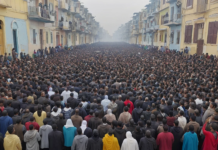
In tandem with diplomatic recognition, widespread global protests have emerged, advocating for the rights of Palestinians. Demonstrations have taken place in major cities around the world, reflecting a collective demand for justice and an end to the long-standing conflict. These protests serve as a vital expression of solidarity, drawing attention to the plight of Palestinians and fostering international awareness about human rights violations in the region. The unified voices from these demonstrations amplify the call for an independent Palestinian state, underlining that the global community is increasingly attentive to the aspirations for peace and justice.
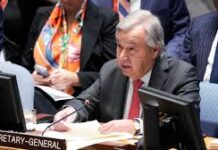
Moreover, the significance of UN Security Council resolution 2803 (2025) cannot be understated. This resolution, which calls for the complete withdrawal of Israeli forces from Gaza, represents a pivotal step towards achieving lasting peace. It underscores the necessity for international involvement in resolving the crisis and supports the idea that Gaza is an integral part of Palestine. Abbas’s perspective on Gaza further reinforces the need for a comprehensive solution based on pre-1967 borders, with East Jerusalem established as the capital of a future independent Palestinian state. Such initiatives indicate a growing international commitment to facilitating dialogue and fostering conditions conducive to a peaceful resolution of the longstanding conflict.
Conditions in the Occupied Territories and Media Crackdown
The conditions faced by Palestinians in the occupied territories remain alarmingly challenging, with recent reports highlighting an increase in violence, particularly against olive harvesters. The olive harvest is not only an essential economic activity for many families but also a culturally significant practice. Harassment and assault by settlers during this period have led to heightened tension, endangering both the harvesters and their livelihoods. Such incidents underscore the pervasive atmosphere of fear and intimidation within the region, exacerbating the difficulties encountered by those attempting to maintain their agricultural traditions.
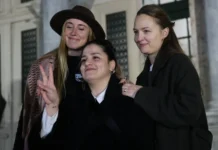
Moreover, the systemic targeting of journalists, exemplified by the case of Shrouq Al Aila in Gaza, reveals the precarious conditions under which media professionals operate. Journalists face various forms of obstruction, from physical assaults to threats of violence, as they attempt to report on the realities of life in occupied territories. This media crackdown poses a significant risk to freedom of expression and the dissemination of crucial information, further complicating the public’s understanding of the situation. The international community must recognize the essential role of a free press in relaying these narratives and holding authorities accountable.
The alarming rise in settler violence in the West Bank calls for urgent attention. Incidents that disrupt daily life not only endanger lives but also hinder any potential advocates for peace and dialogue. While calls for a ceasefire are vital, it is equally important that these efforts do not overshadow the need for a long-term resolution that addresses the occupation itself. The pathway to justice necessitates not only immediate cessation of violence but also a commitment to addressing the root causes of the ongoing conflict. The plight of those in the occupied territories, combined with a repressive media environment, illustrates the critical need for international media intervention and advocacy to bring attention to these pressing issues.
Toward a Unified Stance on Palestinian Sovereignty
In recent months, a significant swell of sentiments has emerged from various international representatives advocating for a unified stance on Palestinian sovereignty. Organizations such as the League of Arab States, the African Union, and the Non-Aligned Movement have vocalized their collective calls for a credible political process. These representatives emphasize the urgency of establishing a two-state solution grounded in the pre-1967 borders, which is viewed as a fundamental framework for resolving the Israeli-Palestinian conflict. This call for a peaceful resolution highlights a path toward not only sustainable peace but also recognition of Palestinian rights.
The need for international engagement in facilitating this political process has never been more critical. The UN Relief and Works Agency (UNRWA) plays an indispensable role in supporting Palestinian refugees, ensuring that their basic needs, including education and healthcare, are met during these challenging times. This agency serves as a lifeline for millions, underscoring the importance of continued international investment in Palestinian welfare, which helps to stabilize the fragile situation on the ground. The support from UNRWA is viewed not just as humanitarian assistance, but as a necessary component in the effort to achieve long-term sovereignty for the Palestinian people.
Furthermore, there have been calls for a donors’ conference to fund Gaza’s recovery, a significant indication of the international community’s growing solidarity with the Palestinian cause. Funding initiatives aimed at rebuilding Gaza are critical not only for enhancing the living conditions of its residents but also for fostering an environment conducive to peace negotiations. The collaborative approach taken by various international entities illustrates a unifying perspective that seeks not only to address humanitarian needs but also to pave the way for a meaningful resolution to the conflict. Each of these initiatives reflects a collective aspiration toward recognizing and confirming the sovereignty of the Palestinian territories.