




















Overview of the INCB Session
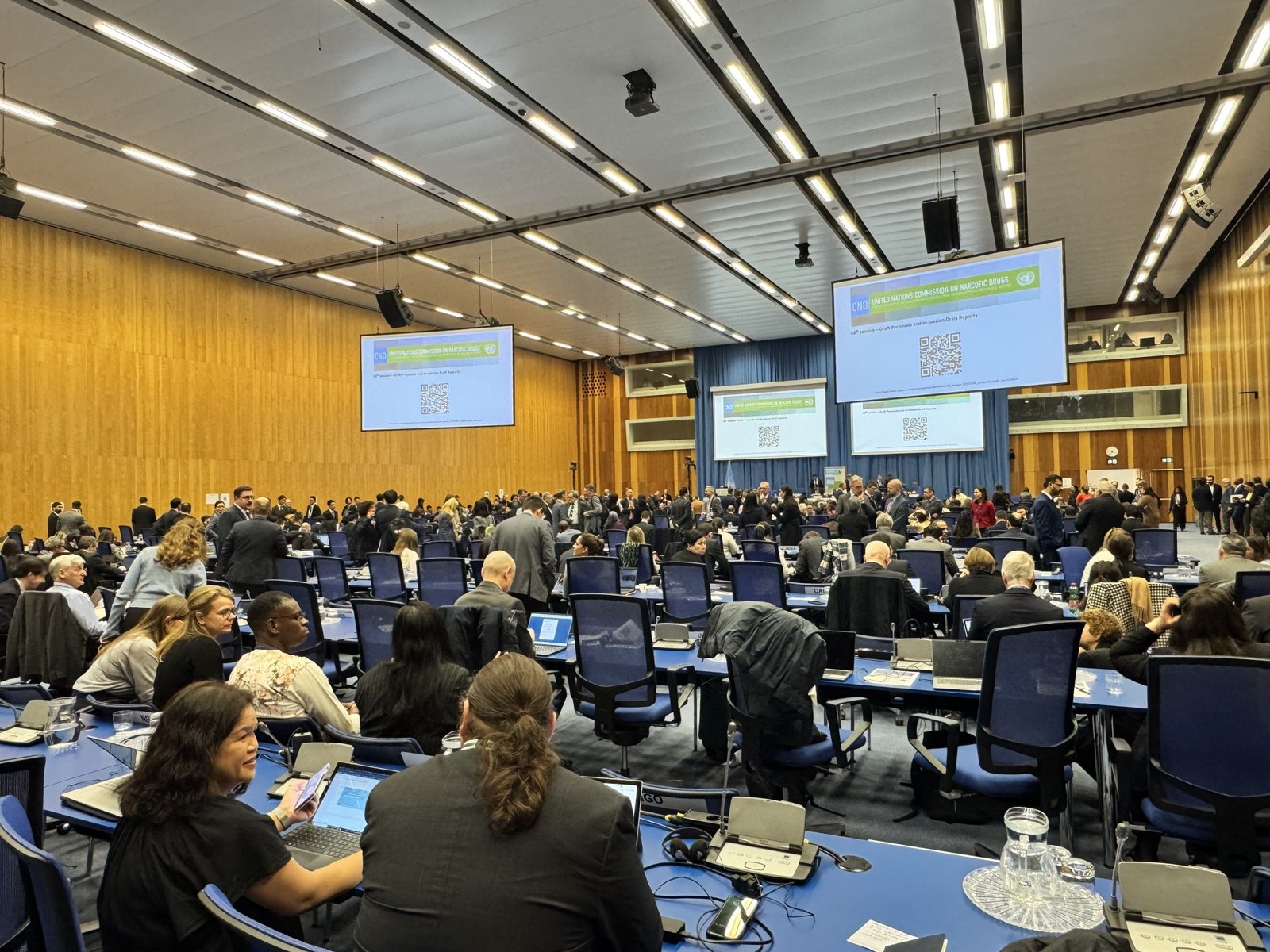
The 144th session of the International Narcotics Control Board (INCB), held in Vienna, marked a crucial moment in global drug control efforts. The INCB plays a vital role in overseeing the international drug control framework established by various United Nations treaties, which aim to regulate the legal use of controlled substances while combating illegal drug trafficking and abuse. The primary objective of this session was to assess current trends in the global drug situation, evaluate member states’ compliance with international obligations, and discuss strategies to enhance cooperation in ways that align with national and global public health goals.
During this session, representatives from numerous member states participated actively, reflecting a strong commitment to addressing the multifaceted challenges posed by drug-related issues. The board convened to share insights and experiences, fostering dialogue on key matters such as emerging drug markets, the impact of synthetic drugs, and the need for better access to controlled medicines. The importance of international cooperation in these areas was a recurring theme, as member states recognized that collective action is essential to effectively combat drug trafficking and promote responsible drug policies.
Notably, Prof. Sevil Atasoy delivered opening remarks that underscored the critical importance of the international drug control framework. She emphasized how it not only facilitates legal trade of medicinal substances but also establishes a barrier against illegal activities that jeopardize public health and safety. Her remarks served as a reminder of the delicate balance between ensuring access to necessary medications and curbing the proliferation of illicit drugs. This session reinforced the INCB’s mission and the ongoing need for collaboration among countries to effectively address challenges and leverage opportunities within the realm of international drug control.
Challenges in International Drug Control
The complex landscape of international drug control presents numerous challenges that require urgent attention and coordinated efforts among nations. One significant challenge arises from the rapid emergence and proliferation of synthetic drugs. These substances, often designed to mimic the effects of traditional drugs while evading existing regulations, pose a considerable threat to public health and safety. The ease and low cost of manufacturing synthetic drugs make them increasingly accessible, fuelling addiction and creating new markets that are difficult for law enforcement to regulate effectively.
Furthermore, there exists a profound disparity in drug control implementation among different countries. While some nations have established robust legal frameworks and enforcement mechanisms to combat illicit drug use, others lack the necessary resources, infrastructure, and political will to address drug-related issues effectively. This inconsistency can lead to the transnational movement of drugs and criminals, undermining global drug control efforts and fostering an environment ripe for trafficking and abuse.
Another pressing issue is the availability of controlled substances for legitimate medical and scientific needs. In regions with stringent drug control measures, healthcare professionals may find themselves unable to access essential medications for pain management and treatment of various conditions. This shortfall not only adversely affects patient care but also perpetuates the stigma associated with drug use, complicating harm reduction and prevention efforts.
The implications of these challenges extend to global drug policies, as the need for collaboration and a unified approach has never been more critical. The INCB discussions have underscored the necessity of addressing not only the proliferation of novel psychoactive substances but also the diverse needs of different regions in terms of drug availability. Consequently, fostering an inclusive international dialogue and establishing comprehensive, adaptable frameworks for drug control could yield significant advancements in tackling these persistent challenges.
Opportunities for Enhanced Cooperation
The complex landscape of international drug control presents numerous challenges; however, it also offers tangible opportunities for enhanced cooperation among member states. The International Narcotics Control Board (INCB) has underscored the importance of fostering collaborative efforts in combating drug trafficking while promoting public health initiatives. Among these is the call by Dr. Larissa Razanadimby and Pierre Lapaque for member states to actively engage in sharing best practices and resources, which could potentially strengthen their capacities in addressing drug-related issues.
One of the key recommendations involves the establishment of more robust frameworks for information-sharing among countries. Enhanced communication channels would facilitate the timely exchange of intelligence on drug trafficking trends and emerging threats. Member states that participate in comprehensive networks for exchanging data and strategies stand to benefit not only from improved law enforcement efforts but also from a deeper understanding of the socio-economic factors that drive drug abuse. This holistic approach is critical in designing effective policies tailored to regional contexts.
Furthermore, ongoing partnerships with organizations such as the Universal Postal Union and the Oceania Customs Organisation represent significant strides toward creating a unified front in the global fight against drug trafficking. These collaborations are essential as they enable member states to synchronize their efforts and leverage shared resources for maximum impact. By integrating various stakeholders, these partnerships enhance the collective ability to curb illicit drug trade and promote comprehensive public health measures.
Ultimately, the opportunities for enhanced cooperation in international drug control are many, but they require commitment and strategic engagement from all parties involved. By unitedly tackling the challenges posed by drug trafficking, member states can reinforce their efforts and make significant progress in safeguarding public health and welfare.
Future Directions and INCB Initiatives
The future directions for international drug control are critical in shaping an effective response to the ongoing challenges posed by drug trafficking and abuse. During the recent session, discussions highlighted the thematic focus of the International Narcotics Control Board’s (INCB) annual report for 2025, emphasizing the need for a comprehensive approach to drug governance. This report aims to address emerging trends in drug use and trafficking, as well as to evaluate the effectiveness of current policies.
Significant actions have been taken by the INCB to enhance its oversight and governance in this area. One key development was the board’s consultation with Ghada Waly, the Executive Director of the United Nations Office on Drugs and Crime (UNODC). This dialogue is expected to reinforce collaboration between the INCB and UNODC, as both organizations share a common goal of mitigating the adverse effects of drug abuse on society. Enhancing communication between these entities is essential for successful international cooperation in drug control.
The recent election of Dr. Emmanuel Luyirika as a new board member also signals a renewed commitment to innovative strategies in drug control. Dr. Luyirika brings a wealth of experience to the INCB, particularly in addressing health-related aspects of drug use. His expertise will be invaluable in guiding policy recommendations that balance enforcement with public health considerations.
Moreover, the completion of the 2025 annual report along with the precursors report marks a significant milestone in understanding the scope and impact of precursor chemicals used in illicit drug manufacturing. These reports will provide essential data that not only inform policy decisions but also foster international collaboration in intelligence sharing and operational strategies. Through these initiatives, the INCB aims to strengthen global drug governance and tackle the multifaceted challenges present in the international drug landscape effectively.