




















Overview of the UN Resolution
The recent resolution adopted by the United Nations General Assembly highlights urgent concerns regarding Ukrainian children who have been impacted by the ongoing conflict. This resolution emerged from an emergency special session that underscored the dire necessity for international intervention and support. It was necessitated by the alarming situation in Ukraine, where many children have been separated from their families and communities due to the ongoing military aggression.
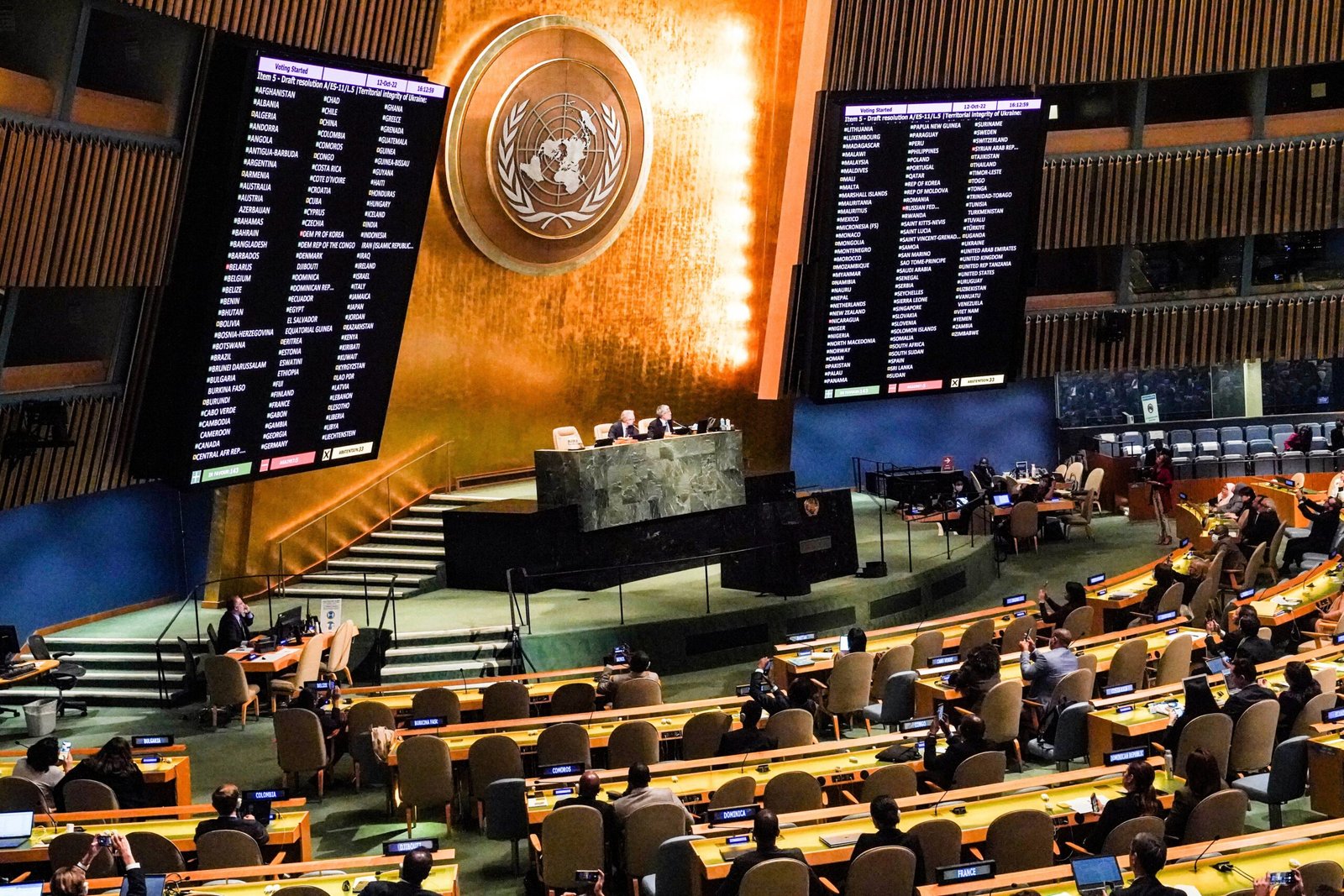
The voting outcome of the resolution reflected the strong commitment of member states towards addressing the issue at hand. With an overwhelming majority in favor, the resolution called upon the immediate return of Ukrainian children, emphasizing the principle of family unity. The adoption of this resolution signals collective condemnation of the practices that have led to the displacement and abduction of children amidst the war. It sets forth clear guidelines and demands to facilitate the safe return of these vulnerable individuals.
Central to the resolution are several key demands aimed at protecting the rights and well-being of the affected children. First, it underscores the necessity for Russia to undertake measures that ensure the immediate return of all Ukrainian children unlawfully taken from their homes. The resolution also demands accountability regarding the safety and treatment of these minors in any foreign or occupied territories. Additionally, it addresses the critical need for comprehensive reintegration programs that would assist these children in rebuilding their lives post-return.
There are profound implications for Russia outlined in the resolution, indicating a need for compliance with international law and standards concerning children’s rights. The UN General Assembly’s collective voice serves as an essential reminder of the global community’s responsibility in safeguarding the welfare of children caught in the midst of conflict and emphasizes the urgency of taking action to resolve these pressing issues.
Legal Framework and Human Rights Violations
The recent resolution adopted by the UN General Assembly regarding the return of Ukrainian children highlights numerous legal implications that stem from international humanitarian law. Central to the discourse are the Geneva Conventions, which serve as crucial pillars in the establishment of lawful conduct during armed conflict. Specifically, Common Article 3, which emphasizes humane treatment of individuals not participating in hostilities—including children—has been invoked in discussions surrounding the situation in Ukraine. This provision underlines the obligation of parties involved in the conflict to uphold the dignity and rights of all persons, particularly vulnerable populations such as children.
Moreover, the UN Convention on the Rights of the Child (CRC) plays a vital role in framing the legal context of the situation. Key articles of the CRC, such as Article 3, which stipulates that the best interests of the child must be a primary consideration in all actions concerning children, significantly bolster the arguments made by supporters of the resolution. The Convention clearly emphasizes the responsibility of state parties to ensure that children are protected from all forms of discrimination, abuse, and neglect. These protections are especially relevant in instances where children have been forcibly removed from their families and repatriated under dubious circumstances.
The actions undertaken by Russia, as alleged by various human rights organizations and the Ukrainian government, are viewed through the lens of these international legal frameworks. Accusations have been raised that Russia’s activities contravene the principles enshrined in the Geneva Conventions and the CRC, constituting egregious human rights violations. Supporters of the resolution argue that such actions not only compromise the safety and well-being of Ukrainian children but also challenge the very foundation of international law designed to protect civilian populations during conflict. The resolution serves to reinforce the call for accountability and adherence to established legal norms, emphasizing the necessity of safeguarding children from the ravages of war and promoting their safe return to their homeland.
Responses from the International Community
The recent adoption of the UN General Assembly resolution regarding the return of Ukrainian children has elicited a wide range of responses from various nations and international organizations. These reactions reflect a strong consensus on the urgency and significance of addressing the issue of child deportation amidst the ongoing conflict in Ukraine. Countries such as Canada and Germany have expressed their firm condemnation of Russia’s actions, characterizing them as deliberate wartime strategies aimed at undermining Ukraine’s sovereignty and welfare. Their statements have emphasized the necessity for international accountability and the imperative to safeguard the rights of all children affected by the ongoing crisis.
Additionally, the members of the European Union have voiced their solidarity with Ukraine, reaffirming their commitment to supporting the Ukrainian government in rectifying the situation. The EU’s collective response underscores the importance of cooperative action among member states to address the humanitarian and legal implications surrounding the deportation of Ukrainian children. Several EU officials have declared that accountability must be prioritized, with calls for thorough investigations into the violations of international law pertaining to child protection.
From Ukraine’s perspective, representatives have articulated heartfelt appeals for justice, urging the international community to take decisive action against those responsible for the deportation of children. They argue that every child removed from their homeland is not just a statistic but represents a profound disruption of families and futures. Ukrainian officials have stressed that the resolution’s adoption is a pivotal step towards restoring parental bonds and enabling the return of these vulnerable children. The nuances of the international responses highlight a growing acknowledgment of the need for dedicated efforts to deter such violations in future conflicts, fostering hope for a comprehensive resolution to this grave humanitarian issue.
Call to Action and Future Steps
The recent resolution adopted by the UN General Assembly signals a pivotal moment in advocating for the rights and welfare of Ukrainian children displaced due to the ongoing conflict. A significant step forward is the call for the UN Secretary-General to engage directly with Russia. This dialogue aims to underscore the urgency of the situation and to impress upon the Russian government the necessity of adhering to international law concerning child protection. Establishing a channel of communication is vital to facilitate a constructive conversation that may lead to the safe return of these children.
Furthermore, the resolution highlights the expected cooperation between the UN and humanitarian organizations. Such collaboration is essential to ensure that access to displaced Ukrainian children is prioritized and unhindered. Humanitarian organizations play a crucial role in providing support and resources necessary for the safe repatriation of these children, who have faced significant trauma and disruption in their lives. The efficient coordination between these entities will enhance the implementation of the resolution’s objectives and support the vulnerable populations affected by the conflict.
In addition, ongoing advocacy from member states and civil society remains paramount. It is not enough to simply acknowledge the resolution; active efforts must be made to push for its implementation. Member states are encouraged to foster dialogues within international forums and mobilize resources to assist in the initiative. This includes raising awareness about the plight of these children and lobbying for comprehensive support systems to facilitate their return. Advocacy efforts must also involve engaging the broader public to ensure that the situation remains in the global consciousness, driving pressure on relevant authorities to comply with the resolution’s standards.
Ultimately, the collective action taken by the international community, governments, and humanitarian organizations will be crucial to shaping the future steps needed for the successful return of Ukrainian children. A united front is necessary to uphold the principles of international law and safeguard children’s rights, ensuring that the resolution’s objectives are met effectively.