






















The Current State of Global Energy Amidst the Iran War
The ongoing conflict involving Iran has significantly influenced the global energy market, creating instability that is felt across various sectors. One of the most immediate impacts has been the fluctuation of oil prices, which have witnessed dramatic swings due to fears surrounding supply disruptions. For instance, Brent crude oil prices have surged as traders react to increased tensions, highlighting the vulnerability of markets that rely heavily on the stability of oil imports from the region.
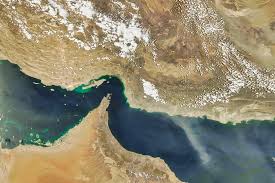
Supply chains have also suffered disruptions due to the conflict, particularly in crucial transit routes such as the Strait of Hormuz, through which approximately 20% of the world’s crude oil passes. Any military engagement in this area raises concerns about potential blockades or attacks on oil tankers, further complicating logistics and raising costs for suppliers and consumers alike. As tension escalates, the fear of interruptions has prompted some nations to seek alternative energy sources, such as LNG (liquefied natural gas), which might lead to notable shifts in energy strategies on a global scale.
The implications for energy infrastructure are profound. Energy companies are forced to reassess their risk management strategies, with many investing in enhanced security measures for their operations within or near contested zones. The broader energy market, thus, experiences heightened volatility, impacting futures trading and investment strategies across various sectors, including renewables and traditional fuels. While demand for oil remains strong, the market is increasingly sensitive to geopolitical developments, suggesting that any resolution or escalation in the Iran conflict could significantly alter not only oil prices but the global energy landscape as a whole.
Insights on Energy Markets from Experts
The current global energy landscape is profoundly impacted by multiple factors, including geopolitical tensions stemming from the ongoing Iran War. Experts in the field, such as Dr. Carole Nakhle, provide valuable insights on the consequences of rising oil prices amidst this turbulent climate. The interplay of geopolitical risks and oil market stability has rendered the sector increasingly volatile, causing considerable concern for investors and policymakers alike.
Dr. Nakhle emphasizes that rising oil prices can have a cascading effect on not only the economies of oil-dependent nations but also on the broader global economic framework. Elevated oil prices typically lead to increased production costs across various sectors, resulting in higher prices for consumers and potential inflationary pressures. The expectation is that as geopolitical risks persist, market participants will continue to experience uncertainty, ultimately affecting pricing strategies and investment decisions.
Furthermore, long-term forecasts concerning oil supply and demand remain contentious. While some experts predict a stabilizing effect due to emerging renewable energy sources, others assert that oil will continue to play a critical role in the global energy mix for the foreseeable future. The capacity for oil production is notably contingent upon several factors including geopolitical stability, technological advancements, and market accessibility. With many regions facing crisis conditions, the health of energy markets is inextricably linked to the geopolitical landscape.
In light of these dynamics, stakeholders across the energy sector must remain vigilant and adaptive. Enhanced analytical models that incorporate both short-term volatility and long-term trends are essential tools for navigating this challenging environment. Overall, expert analyses indicate that while the energy market reflects immediate responses to current events, its future trajectory will depend on coordinated efforts to manage geopolitical risks and the resilience of production infrastructures.
Macro-Economic Consequences of the Conflict
The ongoing tensions in the Middle East, particularly resulting from the Iran War, are having profound macro-economic consequences that extend far beyond regional borders. The volatility of the situation has created an atmosphere of uncertainty that significantly impacts global trade, inflation rates, and energy-dependent sectors. Countries reliant on energy imports are particularly affected, as fluctuations in oil prices directly influence national economies and consumer spending behaviors.
As the conflict escalates, the fear of supply disruptions leads to panic in the oil markets, causing prices to surge. Such inflationary pressures can erode purchasing power, ultimately affecting consumer behavior and reducing overall demand for various goods and services. This decrease in consumption can trigger a decline in economic growth for nations dependent on imports, inducing further strain on global trade dynamics.
Investment strategies across the globe are also influenced by the uncertainties in the Middle East. Investors tend to become more risk-averse in the face of geopolitical instability, resulting in capital flight from vulnerable markets. This withdrawal of investments can stall infrastructure projects and reduce access to financing for energy-dependent industries, potentially stifling innovation and growth within these segments.
Governments facing these external pressures often implement measures to stabilize their economies, which may include adjusting monetary policies or providing fiscal stimuli. However, these interventions can have mixed outcomes, as the effectiveness of government responses hinges on the underlying economic structure and existing vulnerabilities. Additionally, the broader ripple effects on international markets can lead to recessive trends if the situation escalates further.
Overall, the macro-economic consequences of the Iran War serve as a stark reminder of the interconnected nature of global economies. The conflict underscores the importance of strategic planning and adaptability within both governmental and business spheres to navigate the challenges posed by such geopolitical turmoil.
Strategies and Measures: Ensuring Stability in Energy Supply
Amidst the escalating geopolitical tensions driven by the ongoing Iran War, governments and organizations are employing a range of strategies to stabilize energy supplies. One of the primary measures includes the strategic utilization of reserves. Nations often maintain strategic petroleum reserves (SPR) to cushion the impact of supply disruptions. These reserves can act as a buffer during crises, allowing countries to mitigate shortages and stabilize domestic markets while seeking alternative sources of energy supply.
In addition to reserves, the Organization of the Petroleum Exporting Countries (OPEC) plays a critical role in managing global oil production. During times of instability, OPEC may adjust its output levels to influence global oil prices. By maintaining a balanced approach towards its member nations’ production capacities, OPEC aims to ensure that supply remains consistent, even as geopolitical dynamics shift. Such interventions, albeit contentious, are considered vital in preventing market fluctuations that could lead to severe economic repercussions worldwide.
Furthermore, engaging in diplomatic dialogues is crucial for fostering stability in the energy sector. Governments are increasingly recognizing the importance of communication and negotiation as they seek to de-escalate conflicts that threaten energy supplies. Initiatives involving multilateral talks can pave the way for agreements that alleviate tensions, thus creating a more stable environment for energy transactions. The success of these diplomatic avenues hinges on the commitment of involved parties to prioritize mutual benefits over conflicts, which may ultimately contribute to long-term energy security.
The culmination of these strategies—strategic reserve management, OPEC’s proactive measures, and diplomatic efforts—are pivotal in shaping a more resilient energy landscape. As the situation unfolds, the effectiveness of these actions will greatly influence future market stability and collective energy security. Ultimately, proactive strategies must be coupled with a robust response mechanism to navigate the turbulent waters of the global energy landscape.