





















Understanding NATO’s Core Evolution
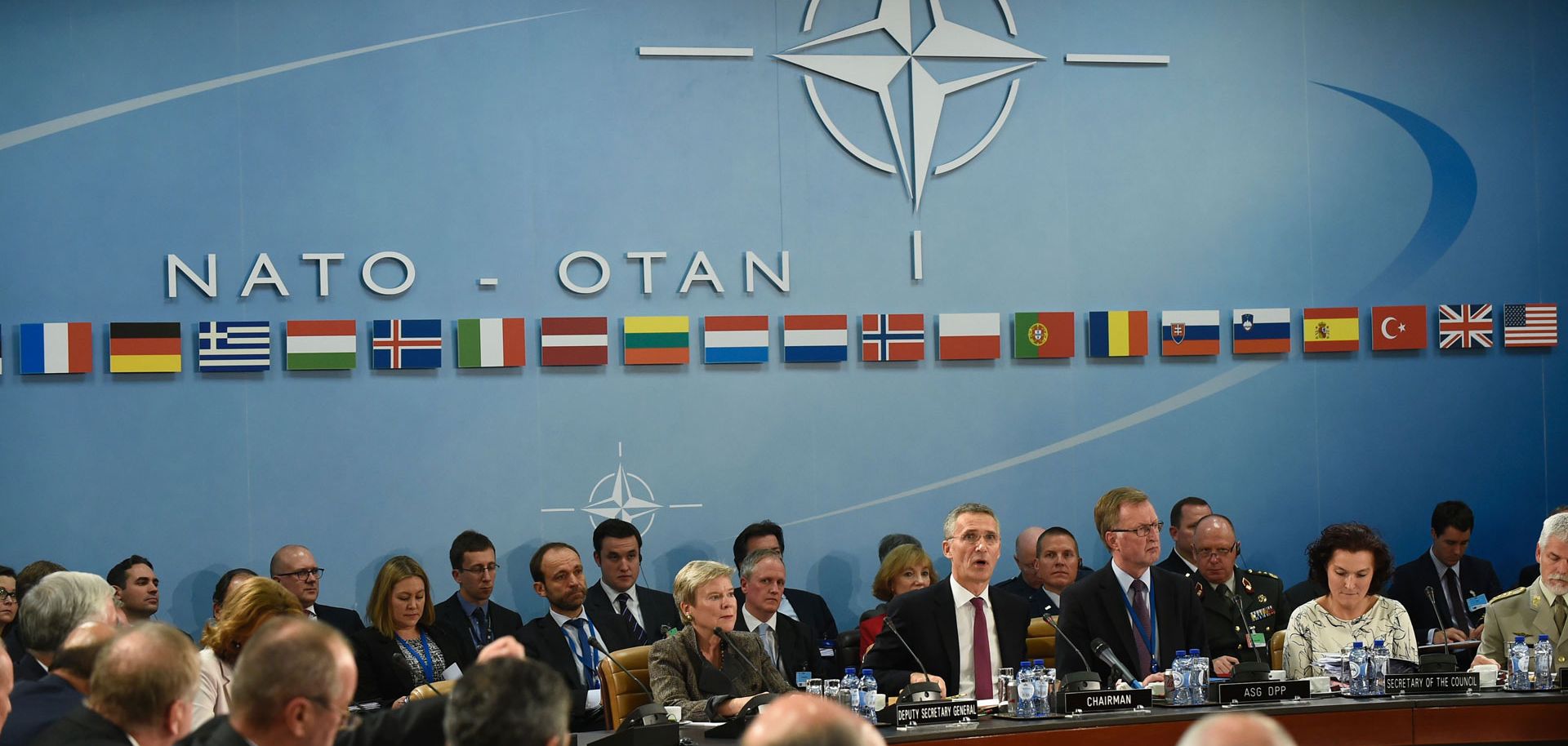
The North Atlantic Treaty Organization (NATO) has undergone significant transformation since its inception in 1949. The evolution can be categorized into three major phases, each characterized by distinct approaches to defense and security: NATO 1.0, NATO 2.0, and the emerging NATO 3.0. The original NATO model, termed NATO 1.0, was established as a collective defense mechanism against the Soviet threat during the Cold War. It primarily focused on conventional military capabilities and deterrence, where member nations pledged mutual defense in the event of an armed attack against one or more of them.
With the end of the Cold War, NATO entered a period of adaptation known as NATO 2.0. This phase was marked by an expansion of NATO’s role beyond territorial defense to include crisis management and cooperative security. Strategies were developed to address emerging threats such as terrorism and cyber security, reflecting a growing recognition of the complexities of global threats. NATO 2.0 also saw the inclusion of former Eastern Bloc nations, enhancing the Alliance’s reach but simultaneously raising geopolitical tensions.
Currently, NATO is transitioning towards a new paradigm, referred to as NATO 3.0. This phase embraces a comprehensive approach to security that incorporates diplomacy, economic stability, and resilience against hybrid threats. The focus is shifting from mere military intervention to a broader strategy that emphasizes partnership-building, regional stability, and adaptability in a multipolar world. In essence, NATO’s core evolution is not just about military might; it encapsulates a profound shift in understanding defense and security, adapting to both traditional and unconventional challenges in a rapidly changing global landscape.
The American Perspective on NATO’s Future
The evolution of NATO from its earlier forms, as referred to in the context of NATO 2.0, necessitates a reevaluation of the United States’ role within the alliance. Elbridge Colby, a prominent defense strategist, emphasizes the importance of an adaptive approach for the U.S. in redefining its commitment to NATO, particularly amidst shifting geopolitical landscapes. He argues that traditional dependency models, where European nations rely solely on American military support, must be left behind. Instead, a recalibrated framework for international relationships is essential for meeting contemporary security challenges.
From the American perspective, the focus shifts towards fostering a more balanced distribution of national defense responsibilities among member states. Washington aims to support European defense initiatives, encouraging allied nations to enhance their military capabilities. This strategic intent is not characterized by a withdrawal from global commitments but rather an effort to promote a more equitable system within the alliance. As NATO transitions to NATO 3.0, the U.S. seeks to ensure that its contributions align with a collective security framework rather than occupying a central role as the predominant military power.
Furthermore, Colby suggests that this transformation requires adapting to emerging threats which include cyber warfare and hybrid conflicts that transcend traditional military engagements. The U.S. is advocating for a NATO that is not only responsive to these new forms of aggression but also prepares member states collaboratively to face them. The emphasis on shared responsibilities and mutual support within the alliance is vital, as it allows NATO to maintain its relevance in an increasingly multipolar world.
European Leadership and Strategic Autonomy
The landscape of European defense has undergone significant changes in recent years, primarily driven by the realization of the need for greater strategic autonomy among European nations. Key leaders, such as Ursula von der Leyen, Emmanuel Macron, and Friedrich Merz, have been at the forefront of advocating for a more prominent role of the European Union in defense matters. Their calls are not merely for dialogue but for a decisive shift in how Europe approaches its security.
Ursula von der Leyen, President of the European Commission, has emphasized the importance of operationalizing the EU’s mutual defense clause. This clause, which is critical for collective defense, requires a robust and well-prepared military framework that can respond effectively to threats. The message is clear: Europe must no longer be dependent solely on NATO and the United States for its security. Instead, there is a strong push for integrating European defense capabilities to ensure that EU nations are prepared to act independently when necessary.
Emmanuel Macron has echoed similar sentiments, famously advocating for a “European strategic autonomy.” This perspective supports the idea that while Europe should collaborate with NATO, it should also cultivate its own defense identity. Macron’s viewpoint suggests that achieving true autonomy does not imply a complete disassociation from U.S. involvement. Rather, it is about balancing transatlantic cooperation with the capacity to act independently, ensuring Europe is not merely reacting to global crises dictated by outside powers.
Moreover, Friedrich Merz’s emphasis on Germany taking a leadership role in defense investments highlights another critical aspect of European strategic autonomy. As Europe’s largest economy, Germany’s commitment to increasing defense spending and enhancing military capacities is essential for a credible and effective EU defense policy. This would set a precedent for other nations, fostering a collective responsibility towards security.
In essence, a proactive approach from European leaders is crucial for transitioning to NATO 3.0, where Europe not only participates as part of the alliance but also takes substantial ownership of its security responsibilities.
The Implications of NATO 3.0 for European Security
The transition to NATO 3.0 marks a significant shift in the security landscape of Europe, particularly in light of the waning era of unrestricted American protection. This transformation compels European nations to reassess their own military capabilities and commitments. The reliance on the United States for defense, which has characterized NATO’s earlier phases, is giving way to a responsibility-driven approach where European countries are increasingly expected to contribute to their security.
One of the foremost implications of NATO 3.0 is the necessity for heightened conventional military readiness. European countries are urged to develop and maintain robust military capabilities that can respond to diverse threats, particularly in Eastern Europe, where geopolitical tensions are on the rise due to a resurgent Russia. This requires not only an increase in defense spending but also strategic investments in military training, technology, and joint operational capabilities.
Furthermore, the evolution towards NATO 3.0 encourages the revitalization of the European defense industry. By fostering innovation and collaboration within Europe, countries can ensure that they possess the necessary technological advancements and equipment that align with contemporary security challenges. This shift not only enhances military preparedness but also contributes to the economic health of member states through job creation and industrial growth.
Moreover, the focus on self-sufficiency in defense necessitates a nuanced approach to cooperation among European nations. Countries must engage in meaningful partnerships to address collective security, sharing intelligence, resources, and strategic planning. Such collaboration is critical, especially in the context of collective responses to security challenges posed by external aggressors.
Thus, in the framework of NATO 3.0, the implications for European security are profound, demanding a collective commitment to build a more resilient and self-reliant defense posture. This evolution is essential not only for the stability of Europe but also for reinforcing NATO’s credibility in a rapidly changing global security environment.