

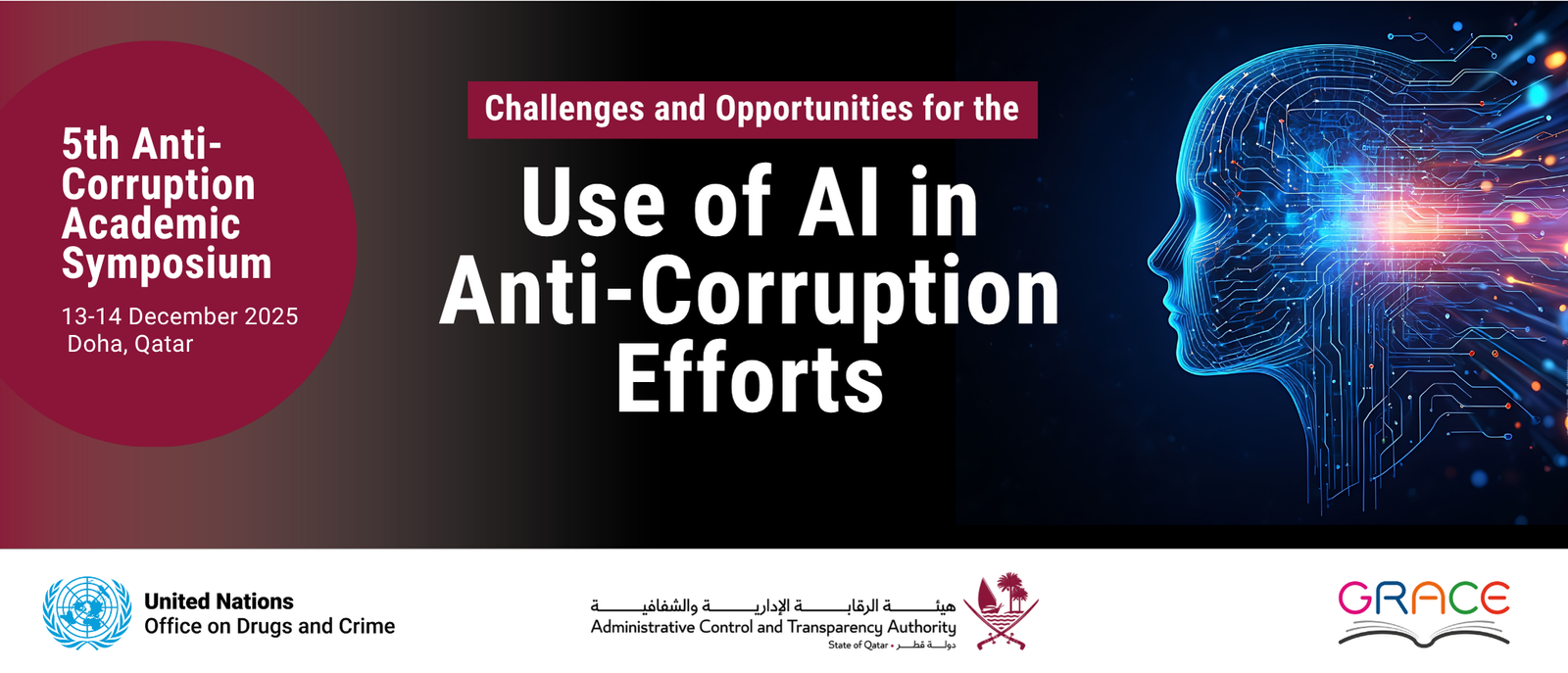
Opening Highlights: A Call to Action
During the opening session of the Anti-Corruption Conference held in Doha, distinguished speakers underscored the pervasive impact of corruption on global governance, development, and justice. The President of the UN General Assembly emphasized that corruption constitutes a significant barrier to achieving the Sustainable Development Goals (SDGs), stating, “Corruption steals resources meant for the most vulnerable and erodes trust in our institutions.” This statement encapsulates the essence of the gathering, which focused on fostering a collaborative environment to address this pressing issue.
The UN Secretary-General delivered a compelling message about collective responsibility in the fight against corruption. He highlighted that “no country is immune to corruption, and it is a global threat requiring a united front.” This call to action resonated deeply, reflecting the urgency for nations to work together to implement effective anti-corruption measures and frameworks. The need for transparency, accountability, and integrity was a recurring theme in the opening remarks, encouraging attendees to prioritize these values in governance.
Moreover, discussions also touched upon the critical role of technology in combating corruption. Innovations in digital tools and platforms can enhance transparency, enabling whistleblowers and citizen engagement while facilitating real-time monitoring of public expenditures. The indication of technological advancements as a potential game-changer signifies a progressive approach to anti-corruption initiatives. Collaborative efforts among governments, civil society, and the private sector were highlighted as essential for developing robust systems to tackle corrupt practices effectively.
Overall, the opening highlights set a tone of determination and urgency, urging participants to commit to action. The insights provided served as powerful reminders of the shared responsibility nations carry in safeguarding democratic values and ensuring justice for all. The challenges of corruption are formidable, yet the conference presents a pivotal opportunity for transformation through united action.
The Role of Emerging Technologies in Combatting Corruption
The rapid advancement of emerging technologies, particularly artificial intelligence (AI), has garnered significant attention in the context of combatting corruption. As discussed at the recent Anti-Corruption Conference in Doha, these technologies present a dual-edged sword; while they can potentially facilitate corrupt practices, they also hold remarkable promise as tools for detection and prevention. The challenge lies in leveraging AI effectively to enhance transparency and accountability, thereby mitigating instances of economic crime associated with organized criminal networks.
On one hand, emerging technologies can be utilized by corrupt entities to obscure illicit activities. Digital platforms and AI can streamline operations for those involved in organized crime, enabling them to manipulate data, automate fraud, and obfuscate financial transactions. These innovations present new avenues for exploitation, making it increasingly difficult for regulatory bodies and law enforcement agencies to trace and monitor unethical practices.
Nevertheless, the lack of regulatory frameworks poses significant challenges in ensuring the ethical deployment of technology in the fight against corruption. Striking a balance between innovation and oversight is essential to harness technology’s potential for good. Policymakers must develop comprehensive strategies that address the misuse of technology and promote ethical standards while encouraging innovations aimed at enhancing transparency and accountability. Ultimately, fostering a collaborative environment among stakeholders, including governments, tech companies, and civil societies, is crucial in ensuring that emerging technologies serve as powerful allies in the fight against corruption.
Integrated Approaches: Collaboration Across Borders
The fight against corruption and organized crime has become increasingly complex, necessitating a more integrated approach among various agencies and nations. During the recent Anti-Corruption Conference held in Doha, officials from the United Nations Office on Drugs and Crime (UNODC) emphasized the importance of cohesive strategies that transcend geographic and sectoral boundaries. This reflects a growing awareness that corruption is not confined to any single jurisdiction or context; rather, it is a global challenge that requires collective action and cooperation.
One of the proposed strategies highlighted at the conference was the establishment of transnational partnerships aimed at sharing intelligence and resources among law enforcement, regulatory agencies, and civil society organizations. Such alliances are essential for effectively addressing the multifaceted nature of corruption. By pooling expertise and capabilities from different countries and sectors, stakeholders can leverage a broader set of tools to combat corruption and promote transparency.
The discussions also underscored the need for comprehensive legal frameworks that enable seamless collaboration. This involves harmonizing laws and regulations across borders to facilitate joint investigations and prosecutions. A unified legal approach not only strengthens the overall effectiveness of anti-corruption measures but also builds mutual trust among countries. UNODC officials pointed out that successful models exist where countries have worked together to address corruption, providing a roadmap that others can follow.
Moreover, integrating technology plays a critical role in fostering these collaborations. Digital platforms for information sharing and communication can enhance real-time coordination among various entities, minimizing bureaucratic delays that often hinder efforts against corruption. By adopting innovative technological solutions, such as data analytics and blockchain, countries can better track illicit activities and streamline cooperation.
Overall, adopting an integrated and collaborative approach is paramount for effectively combatting corruption and organized crime. As the conference highlighted, greater synergy between international partners and diverse sectors is crucial in creating a more transparent and accountable global environment.
Future Directions: The UN Convention Against Corruption
The United Nations Convention Against Corruption (UNCAC), adopted in 2003, represents a pivotal moment in the global fight against corruption, marking the first legally binding international anti-corruption instrument. Its historical significance lies in the collaborative commitment of member states to combat corruption in a comprehensive manner, addressing not only the legal aspects but also prevention, implementation, and international cooperation. The Convention aims to promote and strengthen measures to prevent corruption, criminalize acts of corruption, and enhance international cooperation and technical assistance among countries.
One of the key objectives of the UNCAC is to foster integrity in both the public and private sectors by promoting transparency and accountability. This is particularly relevant in political financing, where transparency measures are crucial for ensuring that public office holders are held accountable for their financial dealings. Recent developments discussed at the Anti-Corruption Conference in Doha emphasized the importance of creating a robust framework for political financing that not only deters corruption but also restores public trust in governmental institutions.
The mechanisms in place to support countries in their anti-corruption efforts are multi-faceted. The Conference of the States Parties, which meets every two years, provides a platform for member countries to share best practices, discuss challenges, and recommend improvements to the implementation of the Convention. Furthermore, resolutions adopted at these conferences highlight specific areas of concern, such as the need for improved reporting mechanisms for political donations and stricter regulations governing lobbying activities. These resolutions serve as vital tools to enhance national legislation and ensure a collective response to corruption.
In conclusion, the UNCAC embodies a collaborative approach to combating corruption, reinforcing the principles of accountability and transparency that are crucial for sustainable development and the rule of law. Through ongoing dialogue and legislative evolution, member states can work together to effectively address the multifaceted challenges posed by corruption.

