
Overview of the Fourth Committee’s Resolutions
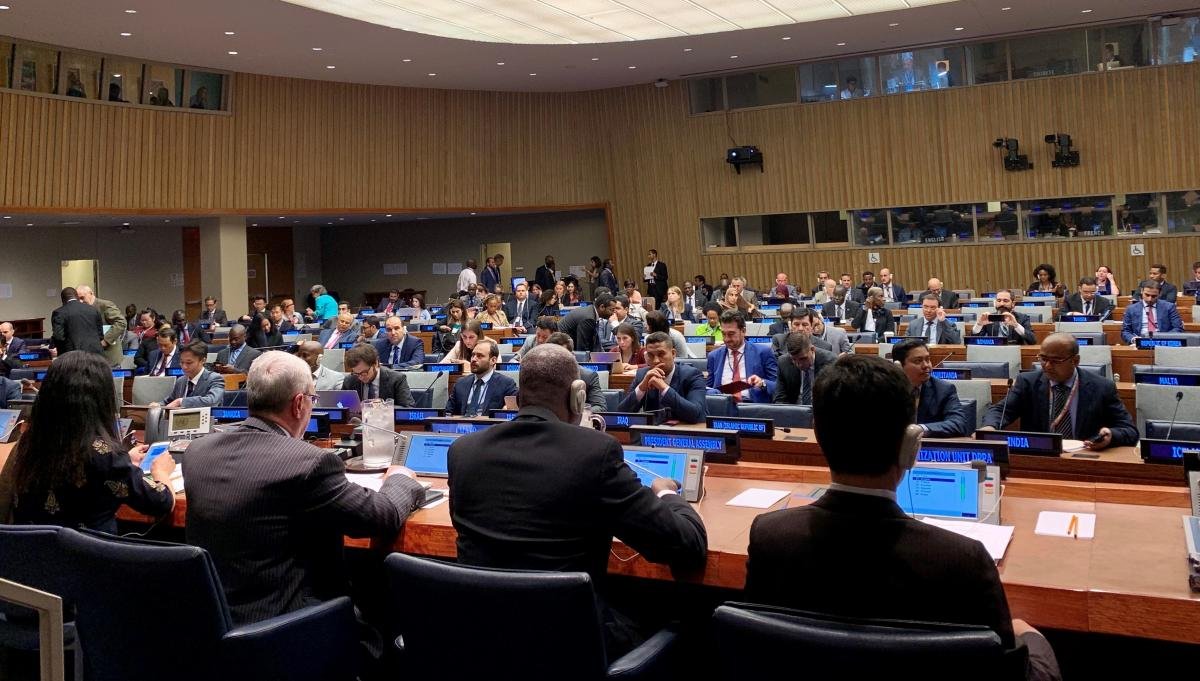
The Fourth Committee of the United Nations General Assembly, officially known as the Special Political and Decolonization Committee, plays a pivotal role in addressing a variety of global issues, particularly those related to decolonization, peacekeeping, and humanitarian matters. This committee reviews and adopts resolutions that are consequential in shaping international policies and promoting global cooperation among member states. In recent sessions, the Fourth Committee has demonstrated its significance through a series of comprehensive resolutions that reflect the collective stance of the international community on pressing matters.
During the latest deliberations, the Fourth Committee adopted a total of 22 resolutions, each representing the commitment of member nations to enhance collaboration and promote peaceful resolutions to conflicts. The decisions made in this committee are not merely ceremonial; they have far-reaching implications that impact international relations on numerous fronts. Specifically, the resolutions address issues such as territorial disputes, the right to self-determination, and the ongoing challenges associated with developing nations. The adoption of these texts underscores a united front among UN member states in advancing universal standards of governance and human rights.
The overarching theme of the Fourth Committee’s resolutions tends to center around the importance of maintaining peace and security while addressing inequalities that persist in the global landscape. These texts collectively emphasize the need for a multilateral approach to governance, particularly in matters of decolonization where historical injustices continue to affect regions worldwide. As member nations engage with these resolutions, they highlight a commitment to fostering diplomatic relations and enhancing mutual understanding, crucial elements in today’s interconnected world.
Voting Process and Recorded Votes
The voting process at the United Nations General Assembly’s Fourth Committee is a critical mechanism through which member states express their positions on various issues. During this session, a number of resolutions were brought to the floor, necessitating recorded votes to formally document each member state’s stance. The adoption of recorded votes offers transparency in the legislative process, ensuring that the voting outcomes reflect the collective decision-making of the assembly.
For this particular session, a total of [insert number] resolutions required recorded votes. This procedural step plays a significant role in understanding the dynamics of international consensus and dissent among member states. Recorded votes allow for accountability and foster a more robust dialogue, as they lay bare the preferences of individual nations. Such transparency can influence diplomatic relationships, as allied positions or oppositional stances become evident through the recorded outcomes.
The necessity of utilizing recorded votes often arises in contentious or high-stakes issues where member states exhibit stark differences in opinion. The recorded votes are not merely administrative; they serve as critical indicators of the prevailing international consensus—or lack thereof. When countries choose to vote against a resolution or abstain, it reflects their strategic priorities and diplomatic objectives. These voting records help observers understand the underlying motivations of member states, providing insights into their foreign policies and alliances.
Overall, the voting process, particularly with respect to recorded votes, is invaluable in the framework of the UN General Assembly. It encapsulates the essence of multilateral diplomacy, illustrating how nations navigate complex global issues. In light of the increasing interdependence among states, comprehending the nuances of these votes will be essential for interpreting future international relations and policy cohesion.
Highlights of Key Resolutions
The recent deliberations of the UN General Assembly’s Fourth Committee saw the adoption of several significant resolutions, with particular attention directed towards the situation of Palestine refugees. The resolution concerning Palestine refugees received overwhelming support, indicative of the international community’s ongoing commitment to addressing the humanitarian issues faced by this population. The voting tallies highlighted a broad consensus, with a majority of member states favoring its adoption, while a sizeable minority expressed reservations. This vote reflects the complexities surrounding the issue of Palestine and underscores the need for sustained dialogue among nations.
The resolution calls for intensified international efforts to provide humanitarian aid, ensure the protection of Palestine refugees, and facilitate their right to return or compensation. This provision has profound implications for the status of Palestine refugees, many of whom have lived in uncertain conditions for decades. Furthermore, the adoption of this resolution is not merely a procedural formality; it represents a critical standpoint in reinforcing the UN’s role as a facilitator of peace and humanitarian support in the region.
Reactions to the resolution were varied, with several member states voicing their strong approval, citing moral and ethical obligations to support those displaced through conflict. Conversely, nations opposing the resolution raised concerns about its potential to exacerbate tensions rather than foster peace. These differing perspectives highlight the delicate balance that the UN must strike in navigating complex geopolitical landscapes and addressing humanitarian crises. Historically, such resolutions have served to bring international attention to critical issues, galvanizing action and prompting future discussions aimed at achieving long-term solutions. The implications of these resolutions resonate beyond the Assembly hall, as they underscore the challenges of addressing longstanding humanitarian issues in a politically charged environment.
Implications and Next Steps
The resolutions adopted during the UN General Assembly’s Fourth Committee deliberations carry significant implications for both the United Nations and its member states, particularly concerning ongoing humanitarian crises and international policy frameworks. These resolutions not only reflect the collective stance of the international community but also serve as guiding principles for future actions. Their ramifications extend beyond immediate responses to crises; they shape the strategies that member states may employ in addressing various global challenges, from conflicts and climate change to health emergencies.
One of the core implications of these resolutions is the call for increased collaboration among member states to tackle humanitarian situations. As conflicts persist in various regions, the resolutions urge nations to enhance their assistance efforts and align their policies with the established humanitarian principles. The emphasis on multilateralism underscores the significance of united action in responding to complex crises. Member states are encouraged to cooperate through diplomatic channels, engage with non-governmental organizations, and ensure that aid reaches affected populations efficiently and effectively.
Furthermore, the resolutions highlight the need for sustained engagement and long-term strategies. The call for accountability and the emphasis on human rights serve as a reminder that immediate humanitarian assistance must be paired with efforts that address root causes, including governance, economic development, and social cohesion. The UN is expected to take a more proactive role in facilitating dialogue among nations, fostering partnerships, and providing guidance in implementing these resolutions.
In conclusion, the outcomes of the Fourth Committee’s deliberations mark a critical juncture for the UN and its member states. By prioritizing humanitarian concerns and advocating for comprehensive approaches, these resolutions lay the foundation for future international cooperation. Member nations now face the task of translating these commitments into concrete actions, ensuring that the spirit of the resolutions is reflected in their policies and practices going forward.

