

Overview of the Current Situation
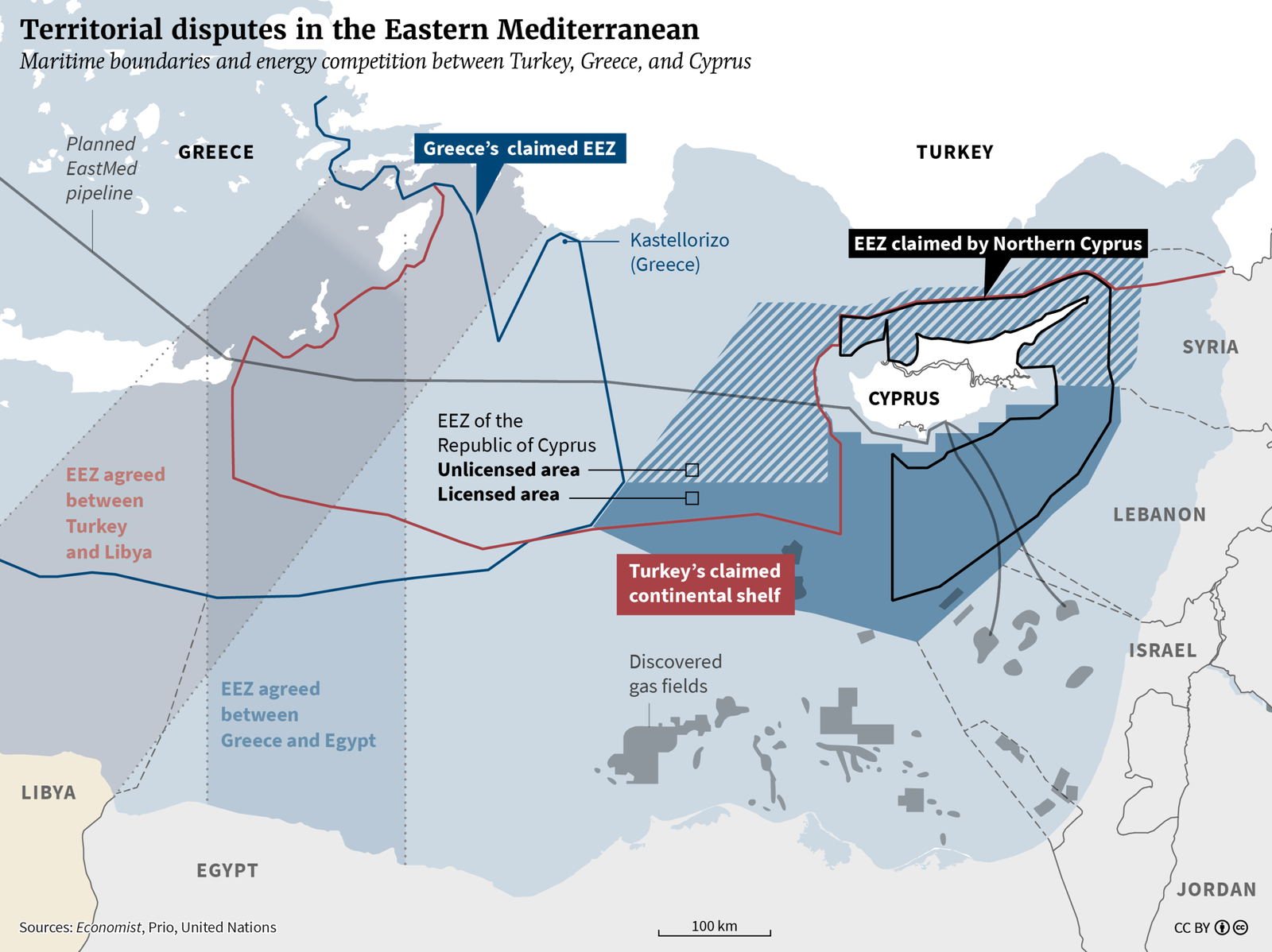
The ongoing military developments between Turkey and Greece have recently intensified, highlighting the need for a comprehensive understanding of the current geopolitical climate in the region. Both nations have made significant statements regarding their defense strategies, signaling a commitment to bolstering military capabilities amidst rising tensions. Turkey has focused on strengthening its naval presence in the Aegean Sea, while Greece has taken steps to modernize its forces and enhance deterrence capabilities.
In particular, Greece’s proposed ‘Achilles Shield’ initiative has emerged as a focal point in the discourse surrounding military upgrades. This initiative aims to create a multi-layered defense system that emphasizes the integration of advanced technologies, including drone surveillance and cyber warfare capabilities. By investing in these areas, Greece seeks to counterbalance Turkey’s growing military prowess and assert its sovereignty over contested territories in the region.
The historical context underlying these developments is crucial to understanding the current situation. Relations between Turkey and Greece have been fraught with tension for decades, stemming from territorial disputes and nationalistic sentiments. The complex history, coupled with strategic interests in the Aegean Sea, has led to a persistent state of rivalry. As both nations continue to assert their influence and territorial claims, the potential for conflict remains an ever-looming threat.
Furthermore, external factors, such as the involvement of NATO and the European Union, play a significant role in shaping the dynamics between Turkey and Greece. As both countries navigate their respective military strategies, the prospect of diplomatic resolutions may become increasingly challenging. Ultimately, the developments surrounding defense strategies and military enhancements reflect a broader struggle for power and security in a region marked by historical animosities and strategic interests.
Turkey’s Response to Greek Military Initiatives
The tensions between Turkey and Greece have escalated in recent years, primarily due to Greece’s increasing military initiatives. In a series of statements, the Turkish Defense Ministry has expressed concern regarding these developments, asserting that the nation’s defense policies are aimed at maintaining regional stability and security. Turkey’s officials have characterized Greece’s military expansion as a provocation that necessitates an adequate response.
Turkey’s responses have oscillated between firm opposition and a call for dialogue. Officials have articulated a clear message that any military buildup by Greece, especially around the Aegean Sea and near disputed territories, is perceived as a direct threat to Turkey’s national interests. The Turkish government has emphasized its commitment to ensuring peace in the region, while concurrently affirming its readiness to neutralize any potential threats.
Moreover, Turkey has undertaken measures to strengthen its military capabilities, which they believe is essential for defending sovereignty. This rearmament includes investing in advanced military technology and conducting military exercises, aiming to bolster their preparedness in the face of what they describe as an aggressive posture from Greece.
Furthermore, the tone of Turkey’s communications reflects a blend of stern resolve and an invitation for peaceful negotiations. Officials have indicated a preference for diplomacy over militarization, yet they remain unwavering in their dedication to protecting Turkey’s interests. This dual approach illustrates Turkey’s strategic objective: to deter any adversarial actions while keeping avenues for discussion open. As the situation evolves, the implications of Turkey’s military readiness and defense posture will significantly impact the trajectory of this ongoing rivalry.
Greece’s New Defense Doctrine: The ‘Achilles Shield’
In recent years, Greece has articulated a new defense doctrine known as the ‘Achilles Shield’, which underscores the country’s strategic shift in military capability and preparedness. This doctrine is particularly notable for its emphasis on the deployment of precision-guided missiles across various Aegean islands, a move that reflects Greece’s response to escalating tensions with Turkey.
Motivated by perceived threats from its neighboring country, Greece aims to enhance its national security through improved military effectiveness. The ‘Achilles Shield’ doctrine aims to provide a robust defensive posture, ensuring that Greek forces can respond decisively to any challenges posed by Turkey’s military actions. This initiative illustrates a broader trend in European defense strategies, where nations reevaluate their military capabilities in light of changing geopolitical landscapes.
Additionally, Greece’s collaboration with international partners, particularly with Israel, plays a significant role in shaping this new defense doctrine. The partnership has proven instrumental in sharing critical technology and intelligence, particularly concerning advanced defense systems. Israel’s experience with missile defense and warfare tactics offers Greece valuable insights into improving its military readiness and response strategies.
The implications of the ‘Achilles Shield’ doctrine extend beyond national defense; they significantly impact regional security dynamics. As Greece fortifies its military capabilities, a ripple effect is observed in the region, prompting neighboring countries, including Turkey, to reassess their own defense strategies. Consequently, this development may lead to an arms race within the Aegean region, heightening tensions and influencing broader regional alliances.
In conclusion, Greece’s ‘Achilles Shield’ doctrine exemplifies a proactive approach to national defense in the face of regional uncertainties, reflecting the complexities of modern security challenges and the necessity for strategic partnerships.
Implications for Regional Stability and International Relations
The ongoing military tensions between Turkey and Greece represent a significant challenge to regional stability in the Aegean Sea, with broader implications for international relations. Both nations have increased their defense strategies, involving escalated military spending and exercises, which could spiral into a larger conflict affecting not only bilateral relations but also regional peace.
Turkey’s assertive military posture, including the modernization of its armed forces, has led to heightened concerns among Greece and its European allies. On the other hand, Greece’s response includes bolstering its military capabilities and seeking support from European Union (EU) allies, which poses potential challenges to NATO’s cohesion. As both nations invest heavily in military resources, there is a risk of diverting attention and resources from crucial diplomatic initiatives that could foster cooperation.
The implications of this militarization extend beyond Turkey and Greece, as neighboring countries may be prompted to adjust their defense strategies in response to the evolving security environment. This situation could provoke an arms race in the region, as states react to perceived threats and seek to enhance their own security postures. Consequently, the potential for miscalculation or unintended escalation increases, which could lead to armed confrontations, further destabilizing the region.
Efforts toward conflict resolution must include diplomatic engagement that emphasizes dialogue and mutual understanding. NATO and EU member states can play a crucial role by mediating discussions, encouraging both nations to prioritize diplomacy over militarization. The key to maintaining regional stability lies in developing frameworks that promote cooperation, confidence-building measures, and peaceful conflict resolution strategies.
In this context, the international community must remain vigilant and proactive in addressing these tensions, seeking pathways that foster not only national security for Turkey and Greece but also broader regional stability. By prioritizing diplomacy, there lies an opportunity to transform competition into collaboration in the Aegean Sea.

