


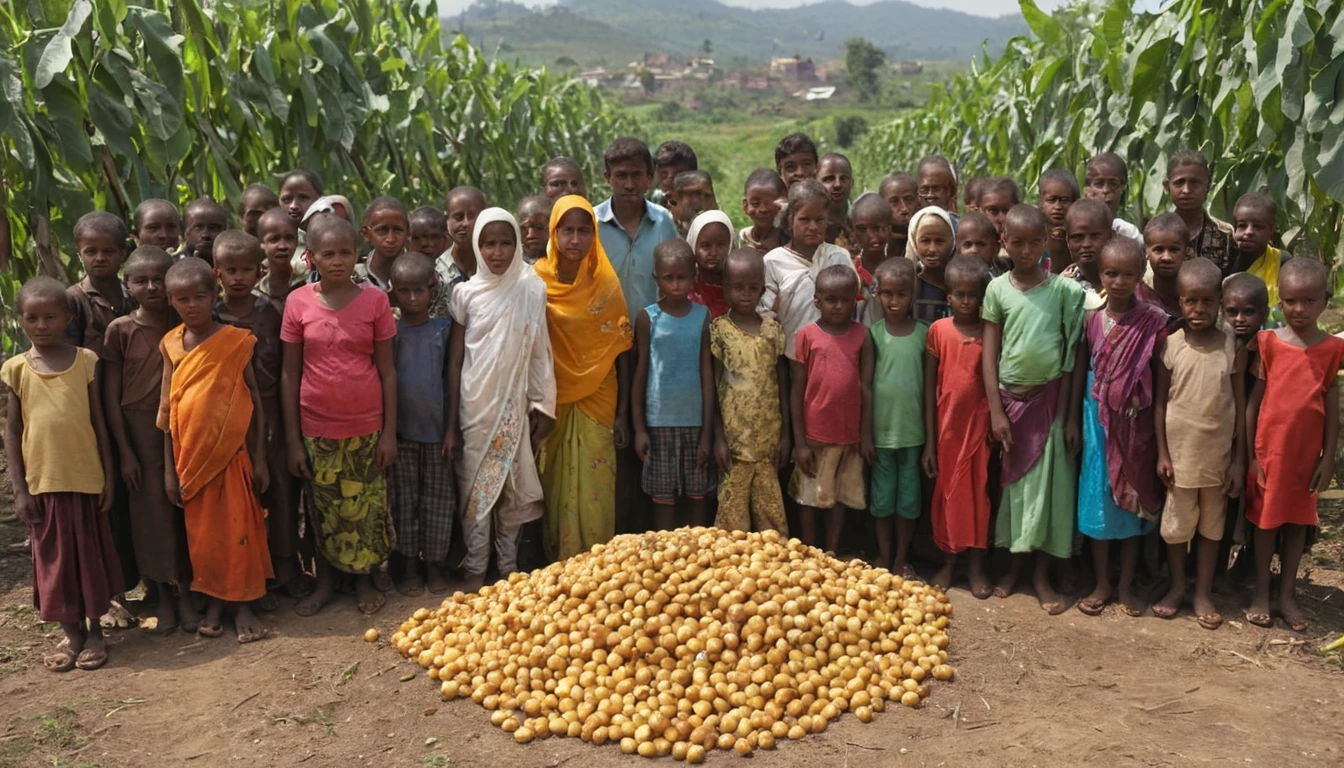
The Interconnection of Conflict and Hunger
The relationship between armed conflict and hunger is both complex and cyclical, with wars and violence creating steep obstacles to food security. Conflicts often displace populations, disrupt agricultural activities, and destroy critical infrastructure necessary for food transport and distribution. In regions plagued by war, the consequences are dire; millions face acute food insecurity and malnutrition, with children being particularly vulnerable. As armed groups vie for control over territories, they frequently target food supplies, effectively using starvation as a method of warfare, which not only exacerbates existing hunger crises but also deepens humanitarian suffering.
This interconnection manifests a vicious cycle: conflict fuels famine and food scarcity, while the resulting hunger can lead to further instability and violence as desperate individuals or groups engage in conflict over dwindling resources. For instance, in regions such as Yemen, South Sudan, and parts of Syria, evidence shows that the scale of food shortages has sharply increased in tandem with prolonged conflicts. The role of humanitarian organizations becomes critical in such scenarios, as they strive to provide essential support to afflicted populations, yet their efforts are frequently hindered by ongoing hostilities.
The international community faces the urgent task of acknowledging and resolving the hunger-conflict nexus. The use of starvation as a weapon of war must be condemned, and accountability measures need to be established to deter such actions. The United Nations Security Council has a crucial role to play in recognizing the significant threat posed by this relationship, promoting peacekeeping efforts, and ensuring that humanitarian assistance reaches those in dire need. Ultimately, fostering peace and stability is essential for breaking the cycle of conflict and hunger, paving the way for lasting solutions to global food insecurity.
Key Drivers of Food Insecurity
The global hunger crisis is exacerbated by multiple interrelated factors that contribute significantly to food insecurity. One of the foremost challenges is armed conflict, which devastates agricultural lands, disrupts trade routes, and displaces communities. Regions experiencing ongoing violence often witness a sharp decline in food production due to destruction of crops and infrastructure. For instance, in nations like Yemen and South Sudan, protracted conflicts have led to severe humanitarian crises, making it difficult for displaced populations to access food and essential resources.
In addition to armed conflict, climate change is another critical driver of food insecurity. Extreme weather events, such as droughts, floods, and erratic rainfall patterns, significantly impact agricultural output, exacerbating food shortages in vulnerable regions. Countries like Somalia have been facing recurrent droughts that decimate livestock and reduce crop yields, further stressing an already fragile food system. Moreover, changes in climate can push individuals into poverty, which may hinder their capabilities to attain sufficient nourishment.
Economic shocks, such as rising food prices and loss of income, inject additional layers of complexity into the problem of food insecurity. Global events, including the COVID-19 pandemic, have led to supply chain disruptions, driving up prices and making food unaffordable for many households. On top of these factors, bureaucratic challenges, including stringent restrictions and inefficiencies in delivering humanitarian aid, hinder critical assistance. For example, in regions like the Central African Republic, access to those in dire need is often fraught with obstacles, limiting the effectiveness of relief efforts and prolonging suffering. Addressing these varying drivers is essential to combatting the escalating global hunger crisis effectively.
Proposed Solutions and Strategic Actions
The global hunger crisis, exacerbated by ongoing conflicts, demands comprehensive and strategic solutions addressing its multifaceted nature. It is imperative to pursue political solutions aimed at conflict resolution and prevention as a cornerstone for alleviating hunger. Diplomatic efforts must be intensified to mediate disputes and foster dialogue among conflicting parties, ultimately leading to peaceful resolutions that allow humanitarian aid to flow unimpeded. Ensuring the observance of international humanitarian law is crucial; this legal framework not only protects food systems but also safeguards civilians from the ravages of war. By holding parties accountable for breaches of humanitarian rights, we can enhance the safety of food delivery operations in conflict zones.
Humanitarian access is another critical area in which solutions must be focused. Governments and international organizations need to negotiate safe passage for aid workers and supplies, particularly in areas beset by conflict. This ensures that essential food and resources reach vulnerable populations who are disproportionately affected by hunger. Collaborative engagement between governments, NGOs, and community leaders can facilitate the establishment of safe corridors for food distribution, thus maintaining vital access to nutritional support for affected communities.
Furthermore, building resilient food systems is vital to tackle hunger effectively. This includes investing in local agriculture, promoting sustainable farming practices, and utilizing technology to enhance food production, storage, and distribution. By strengthening the capacity of communities to withstand external shocks and supply chain disruptions, we can ensure greater food security in the long run. Various United Nations resolutions emphasize accountability in addressing conflict-induced hunger, highlighting the need for compliance from nations involved in conflicts. Implementing these resolutions can help mitigate the adverse impacts of war on food availability and access, making strides toward a world where no one has to suffer from hunger.
International and Institutional Measures for Change
Addressing the global hunger crisis requires comprehensive international and institutional measures that can effectively tackle food insecurity and its underlying causes. A critical approach is the implementation of early warning systems that integrate food security indicators. These systems play a crucial role in anticipating food shortages and enabling timely responses, thereby mitigating the impact of food crises before they escalate. By utilizing data on crop yields, market fluctuations, and climatic conditions, early warning systems can provide vital information for policymakers and humanitarian organizations.
Regular reporting on access to food and levels of food insecurity is another essential aspect of a robust response framework. This reporting should involve collaborative efforts among various stakeholders, including governments, NGOs, and local communities. By generating accurate assessments of food availability and household access, these reports can inform strategic decisions on resource allocation and intervention planning. Moreover, increased financing for climate-resilient agriculture is paramount. Investments in adaptive agricultural practices and technologies not only improve yield stability but also enhance the resilience of communities facing the adverse effects of climate change.
Additionally, policy makers must engage diplomatically to leverage change through collaborative initiatives and partnerships. Member states have a responsibility to address the inequities present in their humanitarian aid distributions, particularly in conflict situations where double standards often prevail. Calls for a unified approach to aid—one that prioritizes equity and respect for human rights—can create a more just response to food insecurity. By promoting transparent and consistent aid protocols, the global community can better ensure that food assistance reaches those in most need.
In conclusion, an integrated strategy encompassing early warning systems, regular assessments, climate-resilient financing, and diplomatic engagements is fundamental for effectively mitigating food insecurity on a global scale.