

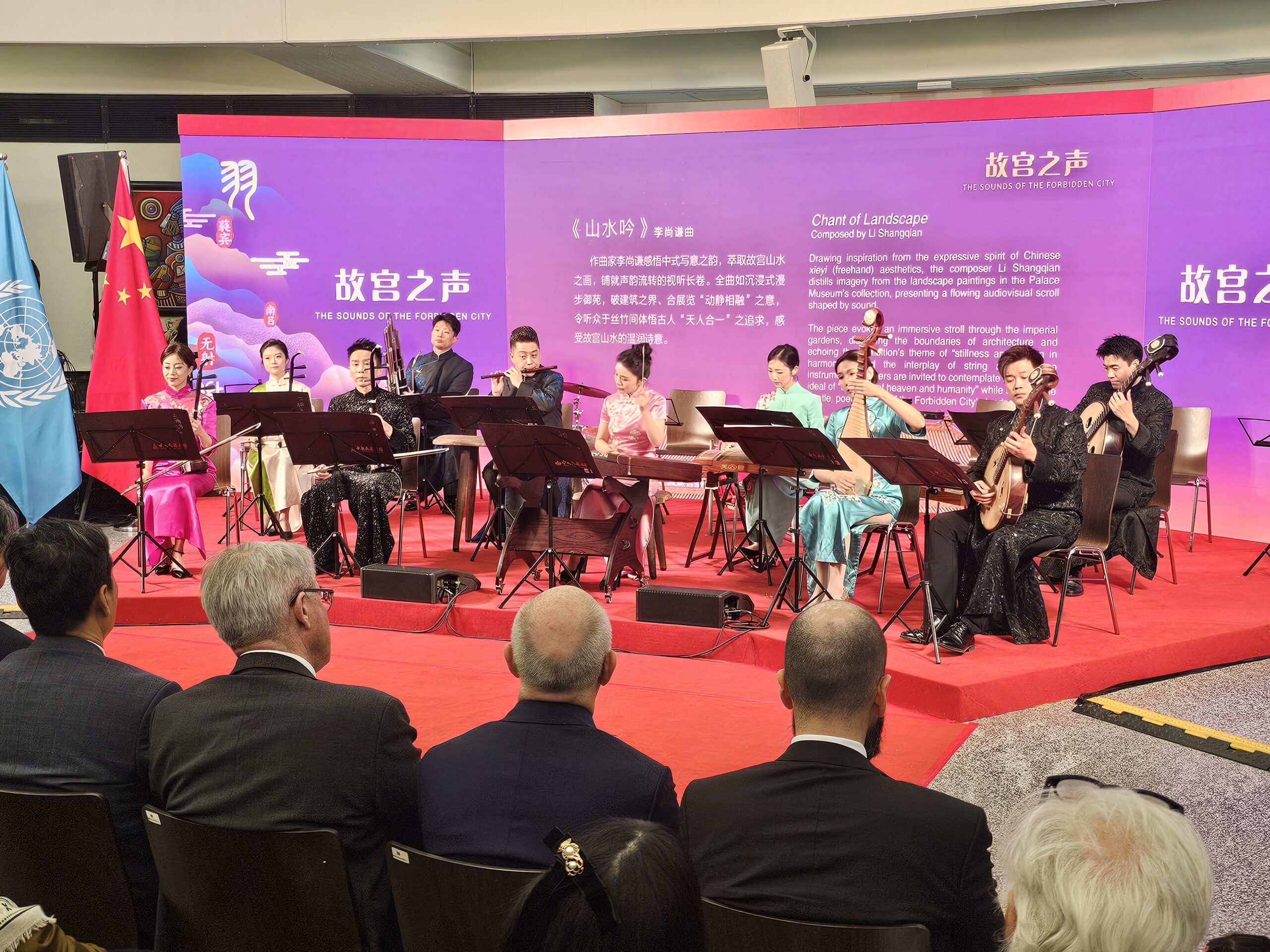
The Significance of Chinese Language Day
Chinese Language Day is recognized annually on April 20, a date chosen to commemorate the birth of Confucius, a pivotal figure in Chinese philosophy and culture. Established by the United Nations in 2010, this observance underscores the importance of linguistic diversity and cultural exchange within the global framework. The Chinese language, with its rich history and profound impact on civilization, serves as a bridge connecting millions of people across different cultures and regions.
One of the primary purposes of Chinese Language Day is to promote and preserve the cultural heritage associated with the Chinese language. As the most spoken language in the world, Mandarin Chinese boasts over a billion speakers, which illustrates its significance in our increasingly interconnected society. By celebrating this day, the UN aims to encourage individuals and communities to appreciate and engage with the complexities of the Chinese language, fostering a deeper understanding of its nuances and historical significance.
Chinese Language Day also highlights key themes such as the promotion of linguistic diversity and the importance of cultural exchange. In a globalized world, embracing various languages enriches our experiences and broadens our perspectives. The day encourages the learning of languages as a means to cultivate mutual respect and empathy among nations. Linguistic diversity is not merely a reflection of cultural identities; it is an essential component of the holistic development of societies.
Furthermore, as global interest in Chinese culture, literature, and history continues to grow, observing Chinese Language Day creates opportunities for cultural dialogue and artistic collaboration. Through this celebration, individuals not only honor the beauty of the Chinese language but also commit to sustaining its relevance in a rapidly evolving world, thereby nurturing a sense of harmony among diverse communities.
2026’s Theme: A World of Harmony
The theme for the 2026 UN Chinese Language Day, “A World of Harmony,” resonates profoundly with the ideals of unity and peace, which are more significant than ever in our increasingly interconnected world. This theme invites individuals and communities to reflect on how language and culture can serve as bridges, fostering understanding and collaboration among diverse groups. In this context, the celebration of Chinese language and culture offers a unique opportunity to promote dialogue and mutual respect.
The concept of harmony extends beyond mere coexistence; it embodies the essence of collaboration, acceptance, and appreciation for one another’s differences. At the heart of this celebration lies the recognition that language is not just a means of communication but also a vehicle for cultural expression. Thus, through the lens of the theme “A World of Harmony,” we celebrate the rich tapestry of cultures that converge in our global society, each contributing its unique threads to the collective narrative.
Furthermore, the emphasis on harmony aligns with the United Nations’ broader goals of fostering peace and understanding among nations. As people around the world come together to celebrate the Chinese language, it creates a platform for exchanging ideas, traditions, and values, reinforcing the importance of cultural heritage. This approach encourages individuals to appreciate the beauty of linguistic diversity and understand the significance of cultural perspective in a globalized world.
As we prepare for the 2026 celebrations in Vienna, Austria, the theme “A World of Harmony” serves as a guiding principle that highlights the critical role of language in connecting people and fostering an atmosphere of peace. It is a reminder that embracing our differences can lead to enriched experiences and a more harmonious existence, wherein understanding and collaboration thrive.
The Venue: Celebrating in Vienna, Austria
Vienna, the capital city of Austria, has been chosen as the host for the 2026 celebration of UN Chinese Language Day, a decision that resonates deeply with the event’s themes of unity and cultural exchange. Known for its majestic architecture and rich artistic heritage, Vienna serves as a vibrant cultural hub in Europe, making it an ideal setting for such a significant occasion.
The city’s historical value is immense, having been a center for music and art for centuries. Vienna introduced the world to classical composers like Mozart and Beethoven, whose legacies continue to foster an appreciation for the arts. This historical backdrop aligns seamlessly with the celebration’s aim to promote the appreciation of the Chinese language, emphasizing how cultural elements can intersect to create a truly global experience.
Furthermore, Vienna is a melting pot of diverse cultures, which makes it an exemplary choice for celebrating the linguistic diversity found within the United Nations. The city is home to numerous international organizations and embassies, contributing to its rich multicultural atmosphere. This social significance enhances the theme of harmony, as it reflects the unity found in diversity among different cultures and languages.
With its well-preserved historical sites, world-class venues, and an accommodating infrastructure, Vienna is well-prepared to host events that attract visitors from across the globe. The city’s unique characteristics closely complement the objectives of UN Chinese Language Day, bridging cultural gaps and fostering understanding through education and celebration of language.
Activities and Highlights
The 2026 celebration of UN Chinese Language Day in Vienna, Austria, promises to be a vibrant showcase of the richness of Chinese culture and language. A diverse array of activities and events has been meticulously planned to engage individuals of all ages and backgrounds.
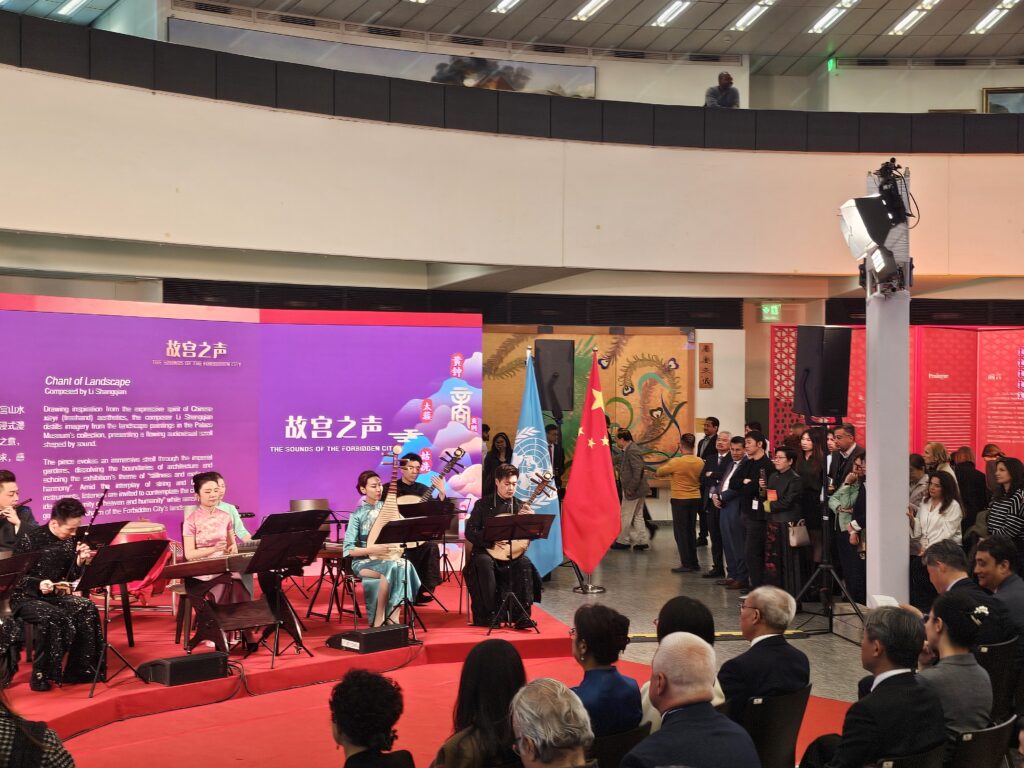
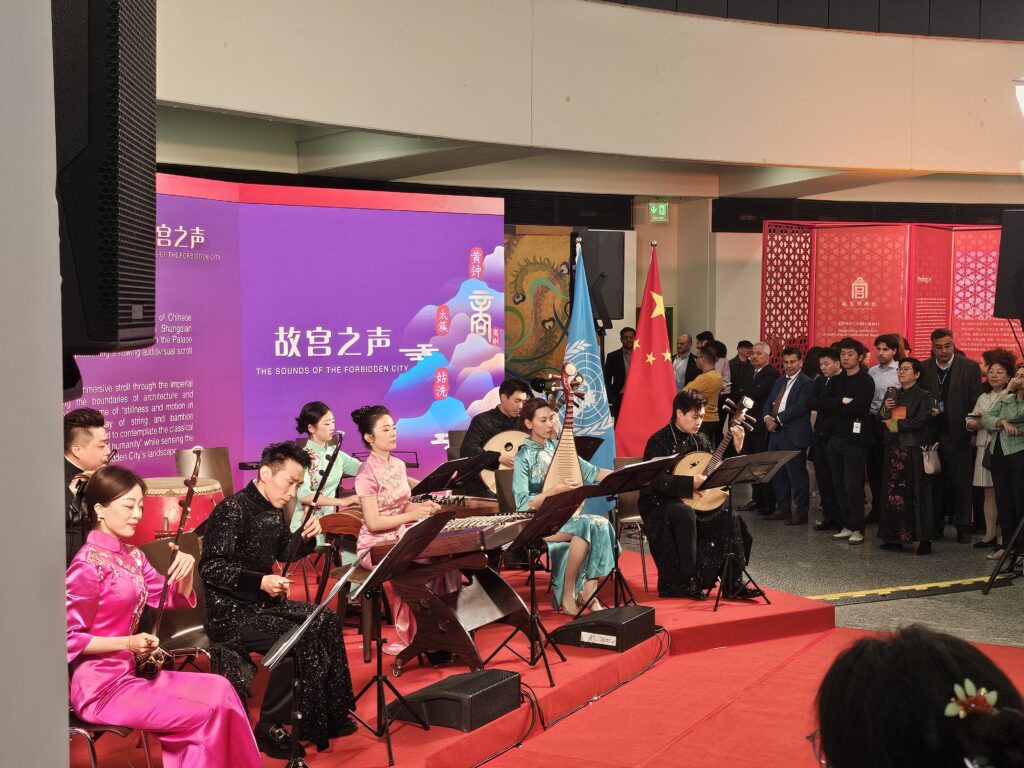
One of the central highlights will be a series of live performances, including traditional Chinese dance, music, and theatrical presentations. These performances will not only entertain but also educate the audience about various aspects of Chinese heritage, showcasing the beauty and complexity of the language. Participating artists will come from various regions, bringing unique interpretations and styles that highlight the international nature of the celebration.
In addition to performances, there will be interactive workshops aimed at promoting the learning of the Chinese language. These workshops will cater to varying levels of proficiency, from complete beginners to those looking to refine their skills. Attendees can expect immersive experiences, including calligraphy sessions, conversational Chinese classes, and even cooking classes that introduce participants to the flavors of Chinese cuisine linked with linguistic terminology.
Panel discussions featuring language experts, cultural scholars, and educators will also facilitate meaningful conversations about the global significance of the Chinese language. These discussions will revolve around topics such as the role of Chinese in international diplomacy, the influence of technology on language learning, and strategies for promoting multilingualism in a changing world.
Through these diverse activities, the event aims to foster a sense of community and mutual respect among participants from around the globe. By encouraging collaboration and sharing, the 2026 UN Chinese Language Day will be a testament to the power of language in bridging cultural divides.