


Introduction to the Crisis in Ukraine
The ongoing conflict in Ukraine, which began in 2014 with Russia’s annexation of Crimea, has led to a protracted state of crisis impacting the nation deeply. Since then, the situation has escalated with various military confrontations and the emergence of separatist movements in Eastern Ukraine. The armed conflict has resulted in thousands of military and civilian casualties, displacing millions of people and creating a significant humanitarian crisis. Factors contributing to the current state of emergency include territorial disputes and geopolitical tensions, both of which continue to exacerbate the suffering of the civilian population.
A crucial aspect of this crisis is the significant impact on civilian infrastructure. With military actions frequently targeting essential services and facilities, daily life in Ukraine has been severely disrupted. Hospitals, schools, and other public resources are often caught in the crossfire of military engagements, hindering accessibility to vital care and education. Moreover, reports indicate a strategic focus on crippling infrastructure, which has left many regions without basic amenities such as water, electricity, and heating. The resultant humanitarian crisis demands urgent attention and intervention from the global community.
The implications of this conflict extend beyond the immediate survivors. The ongoing violence fosters a pervasive environment of fear and uncertainty that affects the mental health and stability of families and communities across the nation. As the situation continues to evolve, the international community must react with immediate action to provide humanitarian support and safeguard the rights of the affected civilians. Urgent measures are necessary to mitigate the disastrous outcomes of military actions on the everyday lives of Ukrainians, ensuring their fundamental right to safety and stability.
Impact of Russian Missile and Drone Attacks
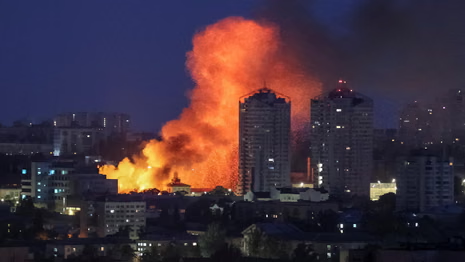
The ongoing conflict in Ukraine has seen a significant uptick in missile and drone strikes launched by the Russian Federation. These attacks have had devastating effects on both civilian populations and critical infrastructure across the country. According to reports, thousands of civilians have fallen victim to these strikes, with estimates indicating that over 3,000 civilian casualties have been recorded since the launch of these attacks. The indiscriminate nature of missile strikes has rendered many urban areas perilous, leading to a profound sense of fear and insecurity among the local population.
In addition to the tragic loss of life, these military operations have resulted in extensive destruction of essential services. With winter approaching, the consequences become particularly grim, as many regions experience severe shortages of electricity, heating, and water. The strategic targeting of power plants and water supply facilities has exacerbated an already dire humanitarian situation. For instance, in December 2022 alone, it was documented that nearly 40% of Ukraine’s energy infrastructure sustained damage due to missile strikes, leaving millions without reliable access to heat during freezing temperatures.
Furthermore, the psychological impact on civilians cannot be overstated. The threat of missile and drone attacks creates an atmosphere of continuous anxiety, hampering daily activities and instilling a sense of hopelessness. Children, vulnerable populations, and those with pre-existing health conditions are particularly affected, as the lack of basic services can have dire health consequences. As winter progresses, it is imperative that international bodies recognize the urgency of this situation and take necessary actions to alleviate the suffering caused by these military aggressions. The need for humanitarian assistance and support is critical, as the attacks continue to undermine the resilience of the Ukrainian people.
International Humanitarian Law and Protection of Civilians
International humanitarian law (IHL), a critical component of international law, is designed to regulate the conduct of armed conflict and protect those who do not participate in hostilities. Primarily encapsulated in the Geneva Conventions and their Additional Protocols, IHL emphasizes the importance of safeguarding civilians and civilian infrastructure during times of armed conflict. Essential principles of IHL mandate that parties engaged in warfare must distinguish between combatants and non-combatants and ensure that any military action respects the fundamental rights of civilians.
The protection of civilians is a cornerstone of these legal frameworks, obligating warring parties to refrain from targeting civilian populations and to take all feasible precautions to minimize harm. Civilians should not be the subject of attacks, and their property, particularly objects indispensable to survival such as food supplies and medical facilities, must be respected and protected. Notably, Article 48 of Additional Protocol I explicitly urges the distinction between the civilian population and combatants to ensure respect for civilian life and dignity.
Recent reports have indicated that the ongoing Russian military operations in Ukraine have been marred by numerous violations of IHL, specifically the direct targeting of civilians and residential areas. Such actions are deemed illegal under international law and constitute war crimes. The systematic bombardment of urban centers, healthcare facilities, and other civilian infrastructure not only disregards the fundamental tenets established under IHL but also poses severe threats to the well-being and lives of innocent individuals. Therefore, it is crucial that the international community demands accountability and urges all parties to adhere strictly to their obligations under IHL, protecting civilian life as a primary consideration amidst the chaos of armed conflict.
Call to Action: Global Responsibility and Next Steps
The ongoing targeted attacks in Ukraine have raised serious concerns about the protection of civilians and the adherence to international humanitarian law. The urgency of this situation necessitates a robust response from the global community. Countries around the world must acknowledge their collective responsibility to safeguard human rights and uphold the principles of justice and accountability.
First and foremost, it is crucial that diplomatic measures are enacted swiftly. Global leaders must engage in open dialogues aimed at resolving the conflict peacefully. This can include hosting summits, facilitating negotiations between conflicting parties, and providing platforms for humanitarian discussions. International organizations, including the United Nations, should play a pivotal role in fostering these diplomatic efforts to ensure that all parties are held accountable for their actions.
In addition to diplomacy, the implementation of targeted sanctions against individuals or entities that perpetuate violence is essential. Economic sanctions can serve as a powerful tool to pressure those responsible for the atrocities in Ukraine to cease their actions. Such measures should be carefully coordinated among nations to maximize their effectiveness and demonstrate a unified stance against violations of human rights.
Furthermore, humanitarian assistance is critical in addressing the immediate needs of those affected by the conflict. Providing medical aid, food, shelter, and psychological support to victims can alleviate some of the harsh consequences of the targeted attacks. Global efforts should be mobilized to facilitate the safe delivery of aid to the regions most affected, ensuring that international laws regarding the protection of civilians are respected.
Ultimately, the international community must act with resolve to bring an end to the assaults on civilians in Ukraine. The time for inaction has passed; it is now the responsibility of global leaders, institutions, and citizens alike, to push for accountability, humanitarian relief, and the restoration of peace in the region.