





















The Importance of Education as a Fundamental Human Right
Education is universally recognized as a fundamental human right that underpins individual development and societal progress. It is not merely a means to acquire knowledge; instead, it serves as a catalyst for opportunity, empowerment, and social cohesion. The right to education is enshrined in various international instruments, including the Universal Declaration of Human Rights and the Convention on the Rights of the Child, reflecting a global consensus on its critical significance.
Access to quality education is paramount in fostering dignity and enabling individuals to realize their full potential. It equips them with the necessary skills and knowledge to navigate the complexities of life, ultimately contributing positively to their communities. For instance, education helps reduce poverty, as statistics show that every additional year of schooling can significantly increase an individual’s income potential. Furthermore, it plays a vital role in promoting gender equality, with educated women more likely to participate in the workforce and contribute to decisions that affect their lives.
However, the current educational landscape reveals alarming disparities. According to UNESCO, over 258 million children and youth remain out of school, and many more face substantial barriers to accessing quality education due to socioeconomic factors, conflict, and discrimination. These statistics highlight the immense work still needed to bridge educational divides and ensure that education is accessible to all, regardless of background or circumstance.
The moral imperative to protect and promote education as a basic human right cannot be overstated. It is essential for fostering peaceful, inclusive societies and is vital for sustainable development. By advocating for educational access and equity, we recognize not only the intrinsic value of education but also its indispensable role in shaping a better future for individuals and communities alike.
The Disparities in Access to Education
The global landscape of education is marred by significant disparities, with approximately 272 million children and youth currently excluded from the educational system. This staggering statistic reflects a complex interplay of factors that inhibit access to education. Poverty is one of the most pervasive barriers; families facing economic hardships often prioritize immediate survival over education, forcing children into labor or into early marriages instead of classrooms. In low-income countries, where educational resources are already scarce, the economic constraints are particularly acute.
Additionally, discrimination based on gender, ethnicity, or disability further compounds the challenges in accessing educational opportunities. For example, girls in many regions face unique obstacles, such as cultural norms that prioritize male education over female. This inequality not only limits the personal growth of female students but also hinders the socio-economic development of entire communities.
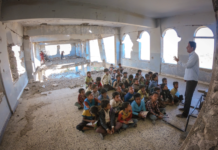
Moreover, conflict and displacement have emerged as critical issues affecting millions of children’s educational prospects. Areas plagued by war or civil unrest often witness the destruction of schools and educational infrastructure, preventing children from receiving a basic education. Even in regions bordering conflict, families may be hesitant to enroll their children, fearing for their safety. Displacement due to such conflicts or natural disasters significantly disrupts education continuity, as seen with refugees who often wait in limbo, deprived of stable learning environments.
Natural disasters, such as earthquakes and floods, further exacerbate educational disparities by destroying infrastructure and displacing populations. These unpredictable events can lead to long-term educational setbacks for affected children, stalling not only their personal growth but also undermining future societal development. The enduring impact of these educational disparities highlights the urgent need for intervention to ensure equitable access to education for all children, independent of their circumstances.
The Call to Action: Prioritizing Education in Policy and Funding
The importance of education as a fundamental human right and a catalyst for sustainable development cannot be overstated. As nations strive to recover from recent global crises, it is essential that governments, international partners, and funding organizations prioritize education in their policy-making and budgetary allocations. Education must not be merely an afterthought but should occupy a central role in national and international agendas, especially amidst the mounting challenges posed by economic downturns and social inequalities.
To close the financing gaps that hinder access to quality education, governments need to actively reassess budget priorities. Allocating a larger percentage of national budgets to education will enable the development of robust systems that can provide all children with necessary educational resources. These resources include funding for infrastructure, teacher training, and learning materials, which are critical in promoting an environment conducive to learning. Additionally, innovative funding mechanisms, such as public-private partnerships, can be explored to supplement traditional funding streams.
Improving access to education requires targeted efforts to address barriers faced by marginalized communities. Strategies such as conditional cash transfers for families, the provision of student scholarships, and subsidies for educational materials can significantly enhance equity in educational opportunities. Moreover, it is vital for international organizations and donor agencies to direct a significant portion of their funding to support these initiatives, ensuring that they reach those most in need.
Collaboration among nations, NGOs, and the private sector is essential in fostering innovative educational recovery efforts. By sharing best practices and resources internationally, we can expedite solutions that improve educational access and quality across different regions. Prioritizing education in policies and funding is not just a response to current demands; it is an investment in a brighter, more equitable future for all.
Empowering Youth Voices in Education Reform
As we commemorate International Day of Education, it is essential to emphasize the role of youth voices in shaping educational systems. Young people are not only the recipients of education but also active participants who can provide valuable insights into what works and what does not. Including their perspectives in education reform is crucial to creating equitable and resilient systems that meet their needs and aspirations.
One of the primary demands from youth communities is for qualified educators who possess not only the necessary academic qualifications but also the ability to engage and inspire. Youth recognize that teaching is not merely about conveying information; it requires mentorship, guidance, and the acknowledgement of diverse learning styles. Therefore, education reform must reflect a commitment to attracting and retaining skilled teachers who can contribute positively to the learning environment.
Another significant area of concern for young people is the relevance of skills training in the context of a rapidly evolving job market. As industries transform and new technologies emerge, education systems must adapt by providing learners with the competencies needed for future employment. This includes a focus on critical thinking, creativity, and digital literacy. Therefore, integrating youth input into curricula development ensures that the skills imparted align with the demands of a changing labor landscape.
Finally, equal access to technological resources remains a pressing issue. Many young individuals face barriers in accessing devices, internet connectivity, and digital learning platforms. These disparities restrict their ability to fully engage with educational opportunities, perpetuating existing inequalities. By prioritizing investments in technology and infrastructure, educational policies can effectively bridge the gap and provide all students with the tools they need to succeed.
In conclusion, listening to and integrating the perspectives of young people in education reform is not just beneficial but essential. Their voices can drive transformative change, leading to a more inclusive and responsive educational landscape. It is our collective responsibility to ensure that these voices are heard, valued, and acted upon in the quest for a just and equitable education for all.