
















The Historical Context of Radium-226
Radium-226 gained significant prominence during the early to mid-20th century, primarily due to its application in medicine and industry. Initially discovered in 1898 by Marie Curie and Pierre Curie, radium-226 was quickly adopted for its radioactivity, which made it a valuable tool for treating various ailments, particularly cancer. Radium-226 was used in brachytherapy, where small amounts of the isotope were implanted near or within tumors, providing localized radiation therapy. This treatment was seen as revolutionary at the time and contributed to its widespread acceptance in the medical community.
Beyond its medical applications, radium-226 was also utilized in industries such as luminous paint manufacturing, where it was used to create glow-in-the-dark dials for watches and clocks. The appealing glow produced by radium-laced paint captured the interest of both consumers and manufacturers, leading to its extensive use. However, the risks associated with radium-226 exposure were not fully understood at the time. Workers involved in the synthesis and application of radium-laden materials often faced severe health risks, including radiation sickness and increased cancer rates, although these connections were not immediately recognized.
As scientific understanding of the hazards posed by radium-226 progressed, coupled with the development of alternative treatments and technologies, there was a gradual transition away from its use. By the late 20th century, awareness of the long-term effects of radiation exposure led to stricter regulations and a shift towards safer alternatives, such as non-radioactive thermoluminescent materials. Today, approximately 100 countries are reported to possess legacy radium-226 stocks, which remain a legacy of the past reliance on this radioactive element. The response to the historical use of radium-226 includes cleanup efforts and monitoring to mitigate associated risks, demonstrating a growing commitment to safety and environmental responsibility.
Global Radium-226 Management Initiative
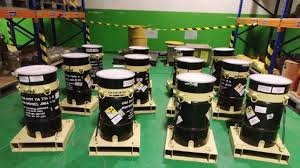
The Global Radium-226 Management Initiative represents a coordinated effort among various nations to address the challenges posed by outdated radium-226 sources, which have been historically used in a range of applications from luminescent paints to medical treatments. This initiative aims to safely manage, recycle, and transform these sources into more sustainable and beneficial isotopes, particularly actinium-225, which has significant therapeutic potential in treating certain types of cancer.
Countries participating in this initiative include Canada, the United States, Germany, and Australia, among others. Each of these nations brings specific expertise and resources to the table, enhancing the overall effectiveness of the initiative. A key aspect of the program involves the collaborative efforts between radiopharmaceutical producers and technological support organizations such as the Canadian Nuclear Laboratories (CNL). These partnerships play a critical role in facilitating research, development, and the implementation of advanced technologies required for the safe conversion of radium-226 into actinium-225.
The conversion process typically involves the use of cyclotrons, which are particle accelerators that can produce actinium-225 through targeted proton bombardment of bismuth targets. This method not only provides a solution to the management of obsolete radium-226 sources but also generates actinium-225, an isotope with growing significance in the field of nuclear medicine, particularly for its role in alpha-particle radiotherapy. By prioritizing the production of actinium-225, the initiative aims to ultimately improve patient outcomes in cancer treatment while ensuring that the risks associated with radium-226 are effectively mitigated.
Success Stories: Recent Transfers and Collaborations
The management of radium-226, a radioactive isotope with significant health implications, has led to successful transfer and collaboration initiatives in recent years. Notably, countries like Croatia and Guatemala have emerged as examples of proactive engagement in the safe handling and recycling of radium-226 sources. These international efforts have not only improved safety standards but also enhanced the capabilities of health care systems.
One significant case comes from Croatia, where local institutions recognized the potential hazards associated with outdated radium-226 sources. In collaboration with international agencies, Croatia initiated a program focused on the systematic assessment, collection, and secure transfer of radium-226 to facilities equipped for proper handling. This effort not only mitigated environmental risks but also maximized the potential for re-use in medical applications, demonstrating a commitment to public safety and responsible resource management.
In Guatemala, similar collaborative efforts took place to address the challenges of managing radium-226. Local governmental agencies partnered with international health organizations to develop guidelines that ensure the safe export of radium-226 sources. Healthcare professionals involved in these transfers have expressed the positive impact that safer handling practices have had on their communities. They report a decline in health hazards associated with radiation exposure, amplifying the importance of these operations in advancing public health.
Stories from individuals engaged in these initiatives often highlight the human side of these collaborations. Health professionals have shared personal accounts of their experiences, detailing the meticulous planning and execution involved in the transfer of radium-226. Their testimonies illustrate an inspiring commitment to safeguarding their communities and fostering a culture of safety in health care. Together, these success stories reflect a global movement towards better management of radium-226, paving the way for more sustainable practices in radiological health management.
The Future of Radium-226 Management and Global Health
The management of Radium-226, an isotope that has posed considerable health risks due to its association with cancer, is evolving to address public health concerns on a global scale. The international movement to manage this radioactive material underscores a commitment to safeguarding health and the environment against the dangers of radioactive contamination. In future initiatives, enhanced collaboration among nations will be crucial in setting robust guidelines and strategies for handling Radium-226 effectively.
Plans for future transfers of Radium-226, which involve transporting this hazardous material to designated centers for safe disposal and management, will be coordinated with the assistance of organizations such as the International Atomic Energy Agency (IAEA). The IAEA’s role extends to ensuring that member states have the necessary support and resources to implement the proposed procedures efficiently and safely. By working together, countries can share best practices and technology that contribute to sustainable radium management and promote global cancer treatment advancements.
Moreover, the initiative could pave the way for recycling other radioactive materials, ultimately decreasing waste and increasing the overall efficiency of resource use. Recycling radioactive isotopes can mitigate environmental impacts while providing components that can be beneficial in various applications, including medical treatment and industrial processes. This integrated approach to radioactivity management not only addresses immediate health risks but also fosters long-term solutions for the future.
Ultimately, the journey toward effective management of Radium-226 encapsulates an overarching message of cooperation and shared responsibility among nations. By prioritizing international collaboration, we can cultivate a safer, healthier future where the implications of radioactive materials on public health are systematically managed. This global endeavor not only aims to address past mismanagement but also focuses on creating a proactive framework to ensure the health of current and future generations.