


















Introduction: The Context of the Protests in Iran
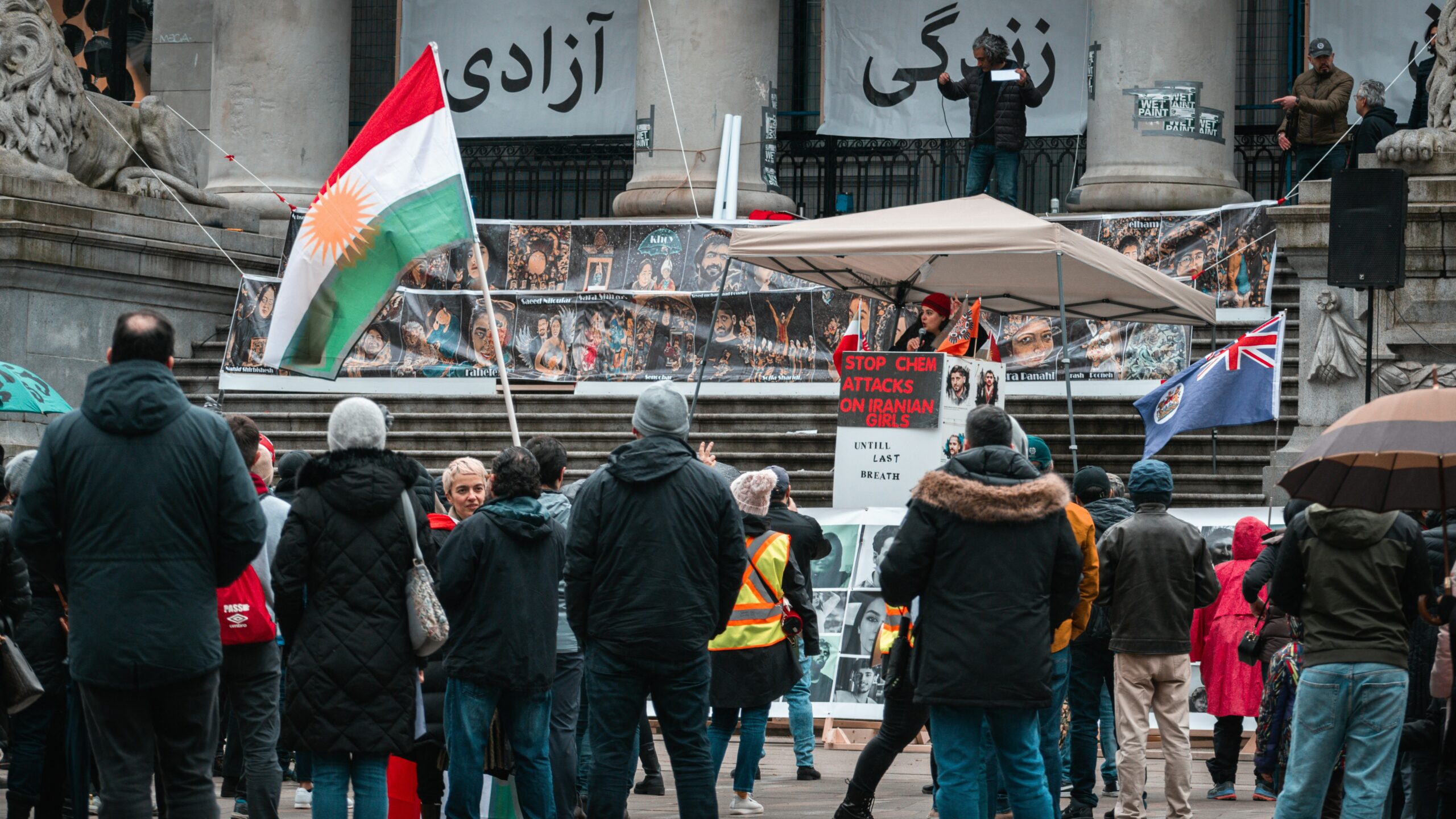
The protests in Iran, which ignited in late December 2025, are rooted in a complex interplay of economic discontent and political repression. A primary catalyst for these demonstrations has been the significant economic downturn that has affected many Iranians. Inflation has soared, drastically diminishing the purchasing power of ordinary citizens. Many households have faced acute financial strain as rising food prices have outpaced income growth, further exacerbating social grievances.
In addition to inflation, the devaluation of the Iranian currency has created a sense of urgency among the populace, leading to widespread calls for reform. The depreciation of the national currency has not only made imports more expensive but has also reduced confidence in the government’s ability to manage the economy effectively. As everyday essentials have become more costly, the frustration has transformed into a fervent demand for change and accountability from the Iranian authorities.
The Iranian government’s response to these protests has been marked by a security crackdown, which has resulted in numerous casualties among demonstrators. Reports indicate that law enforcement and military forces have employed heavy-handed tactics to quell dissent, which have only fueled further unrest. This violent suppression of protests raises significant concerns regarding human rights and the state’s commitment to maintaining a peaceful society.
The implications of this crisis extend beyond Iran’s borders, impacting international peace and security. The unrest has prompted reactions from various global entities, highlighting the importance of addressing not only the immediate humanitarian concerns but also the long-term political stability of the region. As such, the situation in Iran demands close attention from the international community, particularly concerning the potential for broader geopolitical repercussions stemming from internal strife.
The U.S. Position and Actions at the Security Council Meeting
During the recent Security Council meeting, the U.S. representative articulated a strong stance regarding the ongoing situation in Iran, emphasizing the necessity of international intervention to safeguard Iranian protesters. This position is rooted in the premise that the Iranian government’s oppressive actions against its citizens not only violate fundamental human rights but also pose a significant threat to regional stability and global peace.
President Trump, during the discussions, publicly reaffirmed the United States’ unwavering support for the Iranian populace, highlighting their legitimate demands for freedom and democracy. The U.S. delegation categorically rejected Tehran’s assertions that the protests were incited by external influences, framing them instead as a legitimate outcry against state repression. This narrative aims to undermine the Iranian government’s attempted disinformation campaign while reinforcing the legitimacy of the protesters’ grievances.
The U.S. representative outlined the range of repressive measures employed by the Iranian authorities, including the use of force against civilians, censorship of information, and limiting access to social media platforms. Such actions illustrate a blatant disregard for international human rights standards, prompting calls for decisive action from the global community. By asserting that these internal dynamics could destabilize the broader region, the U.S. sought to galvanize support for a collective international response.
The proposal for military intervention was framed not as an act of aggression, but rather as a humanitarian effort to protect those who are exercising their right to protest against government oppression. This controversial stance has sparked considerable debate among other Security Council members, reflecting differing views on the best course of action to support the Iranian people while addressing the complexities of military engagement in such a volatile context.
Testimonies from Iranian Dissidents: Calls for Action
The testimonies presented by Iranian dissidents during the recent Security Council meeting provided poignant insights into the dire situation facing citizens in Iran. Prominent figures such as Masih Alinejad and Ahmad Batebi shared heart-wrenching personal narratives, detailing experiences of repression and torture under the current regime. Their accounts serve not only as a call for action but also as a stark reminder of the urgent need for international solidarity against human rights violations in Iran.
Alinejad recounted instances of harassment and intimidation aimed at activists, illustrating a systematic approach to quelling dissent. She emphasized that the pervasive climate of fear is designed to stifle any opposition and manipulate public support for governmental policies. The emotional weight of her experiences highlighted the overarching theme of human rights abuses, which has become a tragic backdrop to the Iranian populace’s daily existence.
Similarly, Ahmad Batebi, a former political prisoner, detailed his harrowing experiences within the prison system, shedding light on the torture and degradation faced by inmates. His narrative echoes the struggles of countless others who have faced repercussions for speaking out against the regime. Batebi’s call for the international community to take decisive action resonates with many who bear witness to the injustices occurring in Iran.
The critiques directed towards the United Nations’ perceived inaction by these dissenters reflect a growing frustration among activists. They argue that mere statements of concern are insufficient and call for concrete measures that hold the Iranian government accountable for its oppression. This urgency for action underscores the dissidents’ belief that international intervention is critical in supporting the broader struggle for human rights in Iran.
International Reactions and the Diverging Positions of Member States
The recent crackdown in Iran has elicited varied responses from Security Council member states, showcasing a clear divide in opinions regarding the potential for external intervention and the significance of national sovereignty. Russia has articulated a staunch opposition to any form of military intervention, emphasizing the need for dialogue and the respect of Iran’s sovereignty. This position reflects Russia’s broader commitment to non-interference in the internal affairs of states, arguing that external pressures may exacerbate the situation rather than facilitate resolution.
Similarly, China has taken a cautious stance, highlighting the importance of stability in the region and urging for a measured approach that prioritizes diplomatic engagement. The Chinese government has reiterated its support for the principles of non-intervention, suggesting that unilateral actions could lead to unintended consequences. This perspective resonates with Beijing’s longstanding foreign policy tenets, which advocate for dialogue over confrontation.
In contrast, member states like the United Kingdom have expressed growing concerns over Iran’s actions, viewing them as a violation of human rights. The UK has highlighted the necessity of holding Iran accountable for its crackdown on dissent, advocating for international scrutiny and urging allied nations to consider the potential implications of inaction. This reflects a more interventionist approach that prioritizes humanitarian considerations, differing significantly from the positions of Russia and China.
Pakistan and Colombia also illustrate the spectrum of viewpoints within the Security Council. Pakistan has called for a balanced approach, stressing the need for caution while simultaneously acknowledging the gravity of the situation. On the other hand, Colombia has emphasized the importance of upholding democratic values and showing solidarity with the Iranian populace. Meanwhile, Bahrain aligns more closely with U.S. perspectives, emphasizing the importance of international pressure on Iran.
This divergence in positions among Security Council member states underscores the complexities of addressing the Iranian situation, revealing how historical allegiances, national interests, and differing philosophies significantly shape international diplomacy.