




















Iran’s Multiethnic Landscape
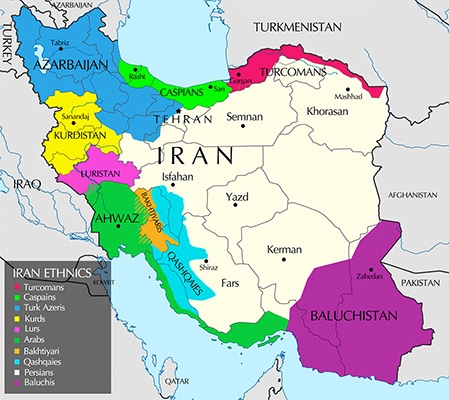
Iran is home to a plethora of ethnic groups, contributing to a rich tapestry of cultural diversity within the country. The most prominent group is the Persians, who comprise approximately 60-65% of the population. They are predominantly found in the central and western regions, particularly in key urban areas such as Tehran, Isfahan, and Shiraz. The Persian majority plays a significant role in shaping the national identity and cultural narrative of Iran.
Alongside Persians, several minority communities contribute to the demographic mosaic of Iran. The Azerbaijanis, a Turkic ethnic group, represent around 16% of the population. Predominantly residing in the northwest region, particularly in East and West Azerbaijan provinces, they maintain a distinct language and cultural identity. The Kurds, approximately 7% of the overall population, are concentrated in the western parts of the country, near the borders with Iraq and Turkey. Their presence in these areas has historically led to various tensions, as they advocate for greater autonomy and rights.
Other notable ethnic groups include the Lurs, who account for about 6% of the population and dwell mainly in the southwestern region, and the Baluchis and Arabs, who represent around 2% each. The Baluchis mainly inhabit the southeastern provinces bordering Pakistan, while Arab communities are predominantly found in the southwestern region, particularly in Khuzestan. These minority groups have distinct cultural practices, languages, and social structures that set them apart from the Persian majority.
The geographical distribution of these ethnicities serves as a pivotal factor in Iran’s geopolitical landscape. The concentration of minorities in border areas creates a complex dynamic, often leading to ethnic tensions and geopolitical challenges. As such, the multiethnic composition of Iran not only enriches its cultural heritage but also poses significant implications for the nation’s stability and governance.
The Political Dynamics of Ethnic Minorities
Iran is a country characterized by its pronounced ethnic diversity, comprising several distinct ethnic groups, including Persians, Kurds, Baluchs, and Arabs, among others. The political dynamics surrounding these ethnic minorities profoundly influence Iranian politics, particularly as they engage in anti-regime protests. Historically, ethnic minorities have often been at the forefront of dissent against the ruling regime, largely because of their unique identities and the specific socio-economic grievances they experience in different regions.
Iranian Kurdistan, for instance, has witnessed numerous uprisings and protests against government policies perceived as oppressive towards the Kurdish population. This region has a legacy of resistance, stemming from a desire for cultural recognition and greater autonomy. Similar frustrations are evident in Baluchistan, where the Baluchi population faces significant economic challenges and marginalization. The Iranian government has continually perceived the potential for unrest in these regions as a legitimate threat to national security. The underdevelopment, poverty, and lack of infrastructure in Baluchistan further exacerbate feelings of disenfranchisement among the local populace.
Arab Khuzestan stands out due to its unique socio-political dynamics as well, being a major oil-rich region inhabited predominantly by ethnic Arabs. The Arabs in Khuzestan have long contested issues surrounding cultural rights and economic disparities. Their distinct identity, coupled with resource wealth that does not benefit the local community, has led to periodic tensions and protests. The Iranian government regards these areas as internal security priorities because unrest among ethnic minorities could jeopardize the state’s stability, amplify separatist sentiments, and pose challenges to national unity.
Consequently, the political landscape in Iran is heavily influenced by ethnic minority involvement, with their challenges continually prompting the government to adopt stringent measures in an attempt to maintain control over these diverse populations.
Geopolitical Risk and Ethnic Minorities: Case Studies
Iran is characterized by a rich tapestry of ethnic diversity, comprising various groups such as Azerbaijanis, Arabs in Khuzestan, Baluchis, and Kurds. Each of these ethnic communities possesses its own unique demographic and political profile, serving as both a source of national identity and a potential risk to the country’s stability. The varying degrees of dissatisfaction among these minorities can lead to significant geopolitical challenges, particularly in times of crisis.
The Azerbaijani population, primarily residing in the northwest, represents a sizable minority and has often expressed aspirations for greater autonomy. Separatist sentiments have occasionally intensified, especially when external influence from neighboring Azerbaijan is considered. Recent protests against the Iranian government have illustrated the underlying tension, demonstrating how ethnic discontent can lead to broader regional instability.
Another pivotal community is the Arab population in the Khuzestan province. This group has grappled with issues of social and political marginalization, which has fostered resentment toward the central government. The resource-rich nature of Khuzestan has also fueled demands for greater regional control, leading to violent clashes over economic grievances. Moreover, perceived discrimination against this community has exacerbated feelings of alienation, manifesting in calls for autonomy that further complicate Iran’s geopolitical landscape.
The Baluchis, predominantly located in the southeastern region of Sistan and Baluchestan, represent a further challenge. The historic neglect of this area, coupled with socio-economic hardships, has contributed to the rise of separatist movements. Activities led by groups such as Jaish al-Adl illustrate the violent resistance against central governance that can potentially destabilize the region.
Lastly, the Kurdish minority has significantly influenced political dynamics within Iran for decades. Historically organized and increasingly supported by external actors, the Kurdish issue poses a substantial threat, particularly during geopolitical crises. The quest for autonomy among Kurdish groups in Iran could lead to escalated tensions and armed conflict if not properly addressed, highlighting the intricate link between ethnic diversity and geopolitical risk in Iran.
The Balance of Power: National Identity vs. Minority Independence
The complexity of ethnic diversity in Iran presents a multifaceted geopolitical challenge, particularly when considering the balance between national identity and minority independence. Ethnic minorities in Iran, such as Kurds, Azeris, and Arabs, possess distinct cultural identities and grievances. However, their ability to leverage these identities against the Iranian regime is limited by several factors. At the core lies a shared identity rooted in Iranian nationalism, which mitigates separatist sentiments among various ethnic groups. This sense of belonging to a larger Iranian identity often overrides ethnic differences, fostering a collective stance against fragmentation.
Moreover, the fragmented nature of these minority groups complicates the pursuit of independence or autonomy. For instance, regional disparities and varying degrees of political organization among minorities make cohesive action challenging. The Kurds may seek greater autonomy, yet the lack of unity among different factions and regions can dilute their effectiveness. Additionally, the Iranian government has strategically engaged with various ethnic communities, offering concessions that redirect frustration into manageable channels rather than outright rebellion.
The robust state apparatus of Iran also plays a crucial role in maintaining internal order. The government employs a range of tactics, from centralized governance to sophisticated surveillance practices, ensuring the swift suppression of dissent. Historical experiences, such as the disintegration of former states in the region, evoke deep-seated fears of fragmentation among both the regime and the different ethnic groups. Such fears motivate collective support for national unity, thereby reinforcing the overall stability of the state. Therefore, while ethnic identities exist, the prevailing Iranian national identity, coupled with the state’s firm control, significantly curtails the potential for ethnic minorities to successfully challenge the regime for independence.