





















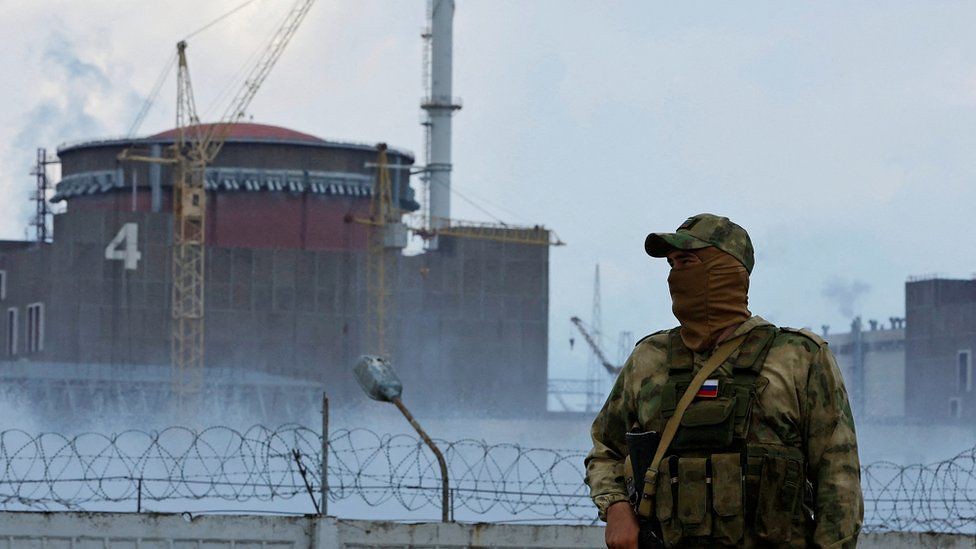
Understanding the Current Nuclear Safety Landscape
As Ukraine grapples with an ongoing military conflict, the implications for nuclear safety within its borders have become a pressing concern. The country is home to several nuclear power plants, which play a vital role in meeting its energy needs. However, the continuous hostilities have posed significant challenges to the operational integrity and safety protocols of these facilities. One of the most critical issues is the disruption of off-site power supplies, necessary for the cooling systems of nuclear reactors.
Loss of external electricity can compromise the reactors’ cooling mechanisms, leading to a heightened risk of overheating. Cooling systems are designed to function even in emergencies, but when external power sources fail due to military actions or targeted strikes, the redundancy in safety measures is put to the test. As injuries to energy infrastructure rise alongside military activities, the potential for catastrophic nuclear incidents increases, therefore drawing significant international attention.
Moreover, the safeguarding and monitoring of nuclear materials have been adversely affected by the need for increased security amidst conflict. The concerns associated with nuclear safety are compounded by the challenges of ensuring that capable regulatory oversight can persist during such tumultuous conditions. The operational autonomy of regulatory bodies is critical for maintaining safety protocols, but the complexities of an unstable environment can complicate their effectiveness.
In the context of nuclear safety, the operational challenges faced by Ukraine’s facilities highlight the importance of international cooperation in securing nuclear sites. It is imperative for organizations and states to collaborate in supporting these critical infrastructures to minimize the instances of human error, equipment failure, or potentially catastrophic nuclear incidents arising from the ongoing conflict.
Incidents of Power Loss at the Zaporizhzhya Nuclear Power Plant
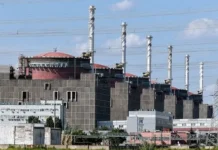
The Zaporizhzhya Nuclear Power Plant (ZNPP), Europe’s largest nuclear facility, has been significantly affected by ongoing military conflicts in Ukraine. This situation has led to several critical incidents involving power loss, which have raised serious concerns regarding nuclear safety. One notable instance occurred in early December, marking the 11th time that the facility experienced off-site power interruptions. These disruptions are particularly alarming given the plant’s reliance on a stable power supply to maintain its operational integrity and ensure the safety of its nuclear reactors.
During this specific incident, the interruption of off-site power led to an automatic activation of emergency diesel generators, which are designed to serve as a backup source of electricity when external power sources fail. The swift response of these generators illustrates the plant’s emergency protocols; however, reliance on backup systems also signifies underlying vulnerabilities. Each power loss incident adds operational stress to both the equipment and the personnel managing the power plant, as they are forced to divert attention away from routine monitoring and maintenance tasks to address immediate safety concerns.
The implications of these power losses extend beyond immediate operational challenges. Prolonged or repeated interruptions can compromise the safety systems necessary for preventing potential nuclear accidents. The ZNPP is built with multiple safety barriers; however, persisting military threat conditions and unreliable off-site power supply diminish the effectiveness of these measures. As military activities continue in the vicinity of the plant, the stakes for nuclear safety are elevated, evidencing a critical need for measures that ensure a sustained and reliable power supply to the facility. Failure to secure such a foundation places not only the plant at risk but also the broader region, necessitating urgent attention from international governing bodies and stakeholders in nuclear safety.
Wider Implications for Ukraine’s Nuclear Power Plants
Ukraine is home to several nuclear power plants that provide a significant portion of the nation’s electricity supply. However, the ongoing military conflict has raised critical concerns regarding the safety and operational stability of these facilities. With continuous disruptions to the electrical grid, fluctuations in power output have become increasingly common. These fluctuations can jeopardize the safety protocols essential for the operation of nuclear reactors, presenting a substantial risk not only to the facilities themselves but also to surrounding populations.
Periodic disruptions often lead to temporary disconnections from the grid, forcing operators to take reactors offline or to reduce their capacity. Such operational adjustments can compromise the efficiency and stability of power generation, affecting the overall reliability of Ukraine’s energy network. The need to operate at reduced capacity may also increase the vulnerability of these plants to external threats, as maintaining adequate security measures becomes more challenging amid heightened military activity in the region.
The implications of these disruptions extend beyond immediate operational challenges. With nuclear power plants requiring a stable and consistent supply of electricity for cooling and other critical safety systems, any interruption poses risks of overheating and potential meltdowns. Furthermore, the anxiety surrounding the adequacy of the existing safety frameworks amplifies in light of military hostilities, as both domestic and international observers grow increasingly concerned about the potential for catastrophic failures. Hence, the precarious balance required to maintain nuclear safety underlines the broader implications of ongoing military conflict, showcasing the urgent need for a comprehensive strategy to protect these vital energy resources amid regional instability.
IAEA Initiatives and Observations for Nuclear Safety Enhancement
The International Atomic Energy Agency (IAEA) has been actively engaged in ensuring nuclear safety in Ukraine amid the ongoing military conflict. Numerous initiatives have been initiated to assess and enhance the safety protocols in place at nuclear facilities. One key approach has been the deployment of IAEA missions focused on evaluating the operational conditions of electrical substations that are critical for the safe functioning of nuclear power plants. These assessments provide insight into the impacts of conflict on infrastructure essential for maintaining nuclear safety.
Recent missions have also included comprehensive tests of emergency power supply systems to guarantee that nuclear facilities can maintain essential safety functions even during power outages. The outcomes of these tests are vital in informing operators about areas needing improvement, thereby enhancing the effectiveness of their emergency preparedness plans. Through continuous communication with local operators, the IAEA monitors compliance with stringent safety and security protocols, reinforcing the importance of adhering to established standards, especially in challenging circumstances.
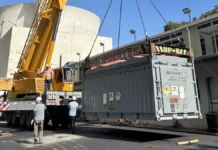
Furthermore, the IAEA has introduced various support mechanisms to assist Ukraine in managing the risks associated with nuclear operations under duress. For example, the Agency has provided vehicles intended for the centralized management of radioactive waste. This logistical support helps facilitate safe transportation and storage of nuclear materials, minimizing the potential for accidents. These collaborative efforts underscore the IAEA’s commitment to not only monitoring but also actively contributing to the overall improvement of nuclear safety in Ukraine. As the situation progresses, ongoing engagement between the IAEA and Ukrainian authorities remains crucial in fostering an environment where nuclear safety can be assured despite the surrounding challenges.