




















Welcoming New Member: The Republic of Maldives
The recent accession of the Republic of Maldives as the 181st member of the International Atomic Energy Agency (IAEA) marks a significant milestone in the promotion of nuclear safety and security on a global scale. This development not only reflects the Maldives’ commitment to adhering to international standards but also enhances the IAEA’s mission to ensure the safe and peaceful use of nuclear technologies worldwide.
As a new member, the Maldives stands to gain substantial benefits from its membership in the IAEA. The agency offers a wealth of resources and expertise that can bolster the Maldives’ nuclear regulation efforts, fostering an environment of safety and security in its energy sector. The island nation, which is increasingly exploring nuclear energy options to meet its growing energy demands, will have access to vital training programs, safety assessments, and technical support that are integral for effectively managing nuclear technologies.
Furthermore, the inclusion of the Maldives in the IAEA signifies a broader commitment to enhancing regional and international cooperation in nuclear safety. It encourages collaborative initiatives that can facilitate knowledge-sharing and capacity-building among member states. This alignment with IAEA objectives will allow the Maldives to participate in and contribute to global dialogues on crucial issues such as nuclear non-proliferation, waste management, and emergency preparedness.
In essence, the incorporation of the Republic of Maldives into the IAEA framework demonstrates the agency’s dedication to expanding its global reach and effectiveness in nuclear safety governance. As the Maldives embarks on this new chapter, the benefits afforded by its membership may significantly contribute to both local and regional advancements in nuclear safety policies and practices.
Current Challenges at Ukraine’s Zaporizhzhia Nuclear Power Plant
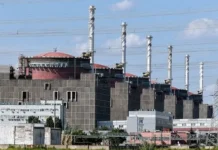
The Zaporizhzhia Nuclear Power Plant (ZNPP) in Ukraine finds itself in an increasingly dangerous state as the ongoing conflict in the region has left it vulnerable. Operating on its last remaining main power line, any disruption could have dire consequences for nuclear safety. The power outages experienced in recent months have raised profound concerns about the plant’s operational reliability and its ability to perform essential safety functions. The threat of a potential blackout looms large, bearing implications not just for the plant but also for regional safety.
The International Atomic Energy Agency (IAEA) has been actively involved in attempts to stabilize the situation at ZNPP. A ceasefire, facilitated by the IAEA, was established to allow for necessary repairs and to ensure safety measures could be implemented without the immediate threat of conflict. Yet, the realities on the ground complicate these efforts, as ongoing military activities create an environment of uncertainty that jeopardizes the plant’s operational integrity.
Moreover, the availability of cooling water, crucial for maintaining safe reactor temperatures, remains a significant concern. Interruptions in the power supply can hinder essential cooling systems, which are vital for the protection of the reactors. The IAEA’s mission includes monitoring the conditions and advising on emergency protocols to mitigate possible risks associated with cooling failure. As the conflict persists, the ZNPP remains under constant scrutiny from both international bodies and safety experts, highlighting the critical need for an effective resolution to ensure the long-term safety of nuclear operations in the area.
Assessment and Recovery Efforts in Chornobyl and Other Sites
Following the recent disturbances at nuclear facilities in Ukraine, particularly Chornobyl, comprehensive assessments have been initiated to evaluate the structural integrity and safety of the sites. The International Atomic Energy Agency (IAEA) has dedicated significant resources to monitor and analyze the impacts of drone strikes reported at Chornobyl and other nuclear locations, such as Khmelnytsky, Rivne, and South Ukraine. These assessments are critical to understanding both immediate and long-term safety implications.
Inspection teams have identified notable structural damages at Chornobyl, including compromised containment buildings and other essential infrastructure. Addressing these vulnerabilities is paramount, as any further deterioration could lead to increased safety risks. Similar assessments in Khmelnytsky, Rivne, and South Ukraine have also revealed varying degrees of damage that necessitate urgent attention and stabilization efforts.
An important aspect of the recovery process is the extensive collaboration between the IAEA and the European Bank for Reconstruction and Development (EBRD). This partnership is crucial as it facilitates the mobilization of necessary financial and technical support to restore stability at affected nuclear sites. The IAEA’s expertise in nuclear safety coupled with the EBRD’s capacity for large-scale funding and project management enhances the effectiveness of recovery efforts.
Furthermore, coordinated international responses are imperative, as the ramifications of compromised nuclear safety can extend beyond national borders. Therefore, ongoing assessments and recovery operations in Chornobyl and other sites remain a focal point for global nuclear safety initiatives. The collective aim is to ensure that these sites not only recover from recent adversities but also enhance their resilience against future threats, reinstating confidence in their operational integrity.
Funding Needs and Global Nuclear Safety Initiatives
The International Atomic Energy Agency (IAEA) plays a pivotal role in promoting and ensuring nuclear safety across the globe. However, it currently faces significant funding challenges, particularly a €15 million gap in its priority needs as contributions from member states decline. This financial shortfall poses a risk to various safety initiatives and may hinder the agency’s ability to respond effectively to global nuclear safety concerns.
In light of these funding requirements, the IAEA is spearheading several global initiatives aimed at enhancing nuclear safety. Among these is the Isamko programme, which specifically addresses issues related to flooding, a growing concern for nuclear facilities located in flood-prone areas. This program serves not only to mitigate risks associated with adverse weather events but also to implement best practices that ensure the resilience of nuclear plants against environmental challenges.
Another vital initiative is the Isamrad program, which focuses on improving the safety of radioactive sources. By enhancing the regulatory framework, this program aims to prevent unauthorized access and potential accidents involving these materials. Through comprehensive training and the introduction of safety standards, Isamrad is working to ensure that radioactive sources are managed safely and securely.
Additionally, the IAEA continues to strengthen its verification efforts regarding discharges from the Fukushima Daiichi plant. Recent assessments have confirmed that tritium levels released from the facility are within safe operational limits. This ongoing monitoring and evaluation are crucial in rebuilding public trust and ensuring that safety protocols are rigorously followed. The IAEA’s commitment to transparency and safety oversight remains central to its mandate, even as funding constraints present ongoing challenges.