


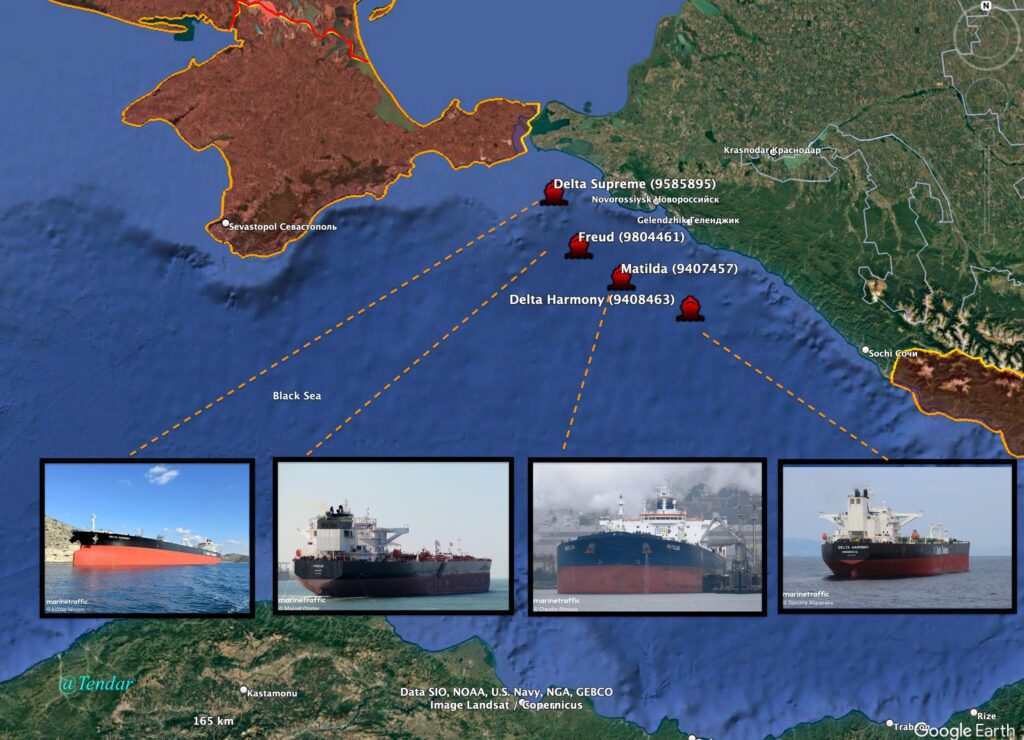
Overview of the Incident
In recent developments, three Greek-owned oil tankers were the subject of unprecedented drone attacks while they were anchored near the strategic port of Novorossiysk, Russia. These incidents have raised significant concerns regarding maritime security in the region, particularly in light of escalating geopolitical tensions. Among the vessels involved in these alarming instances were the MT Matilda, MT Delta Harmony, and MT Delta Supreme, each serving vital roles in global oil transport.
The timeline of events surrounding these attacks began when reports surfaced detailing drone activity in the vicinity of the tankers. Although initial assessments pointed to a coordinated strike, the situation is further complicated due to a lack of definitive evidence regarding the intent behind the drone usage. As these incidents unfolded, varying accounts emerged, leading to confusion over the specifics of each case. Notably, the MT Delta Harmony was confirmed to have sustained damage from one of the drone strikes, while reports related to strikes on the other two vessels have since been retracted, indicating possible misinformation or miscommunication during the early stages of the investigation.
The attacks on these Greek-owned tankers have prompted swift responses from maritime authorities and raised alarms within the shipping industry concerning the safety of vessels operating in the Black Sea region. The implications of these incidents are multifaceted, affecting not only the security of Greek maritime interests but also the broader dynamics of international shipping and trade routes that rely on navigability in these waters. As investigations continue, it is essential to monitor developments closely to understand the full impact of these drone attacks on maritime operations.
Details of the Tankers Affected
The recent drone attacks in Novorossiysk have impacted several Greek-owned tankers, notably the MT Matilda, MT Delta Harmony, and MT Delta Supreme. Each of these vessels has specific registration details and management companies associated with them, shedding light on their operational frameworks. The MT Matilda, registered in Liberia, is managed by a well-established shipping company based in Greece. The MT Delta Harmony, another Liberian-flagged tanker, is operated by a noted management firm specializing in tanker logistics, while the MT Delta Supreme is registered in the Marshall Islands and managed by a different entity focused on the transportation of oil and chemicals.
Regarding the incidents, the drone attacks varied in their impact on each vessel. The MT Matilda was reportedly struck by a drone, resulting in immediate fires on board. Although the crew was able to extinguish the flames relatively quickly, the vessel sustained visible damage. Fortunately, after initial assessments, the MT Matilda was deemed fit to continue its voyage, albeit with more stringent monitoring protocols in place.
Conversely, the MT Delta Harmony encountered a less severe situation, where the drone caused a minor explosion that led to temporary damage to the vessel’s outer hull. Fortunately, the crew did not suffer any injuries, and preliminary checks indicate that it might be able to resume its operations without extensive repairs. The situation for the MT Delta Supreme remained less clear; the vessel also sustained damage from a drone strike, but the exact nature is still under investigation. Currently, there are no official assessments available regarding the damage sustained by this tanker.
As it stands, all three tankers have faced significant challenges due to these unprecedented drone attacks, raising concerns among the maritime community about the ongoing security threats in the Black Sea region.
Reactions and Responses from Authorities
The recent drone attacks targeting Greek-owned tankers in Novorossiysk have elicited strong reactions from various authorities. The Greek foreign ministry issued a statement condemning the attacks, emphasizing the need for stringent measures to enhance maritime security. The ministry expressed profound concern regarding the safety of the crew members aboard the affected vessels, highlighting the critical need for protection of maritime personnel in the face of such aggressive actions.
In addition to the immediate safety concerns, there were pressing worries regarding the potential environmental ramifications stemming from these hostile incidents. Authorities underscored that any disruption in maritime operations could pose risks not only to crew safety but also to the marine ecosystem, which could have far-reaching consequences for both local and international maritime activities.
Moreover, maritime officials have convened to discuss the implications of these attacks on Greek maritime interests as well as broader regional stability. Talks have been initiated with European partners to bolster maritime security protocols, emphasizing the need for increased vigilance in areas susceptible to such threats. The discussions aim to formulate a cohesive strategy among European nations to deter future attacks and safeguard commercial shipping routes.
Experts in the maritime industry have also voiced their opinions, advocating for enhanced intelligence-sharing and collaborative security measures among member states. The situation, spurred by the attacks, may fundamentally alter operational paradigms in the region, warranting a reevaluation of current maritime security strategies. This incident, while alarming, could serve as a catalyst for more robust international cooperation in safeguarding maritime assets.
Speculation and Uncertainties Surrounding the Attacks
The recent drone attacks targeting Greek-owned tankers in Novorossiysk have generated a wave of speculation, leading to significant uncertainties regarding the incidents. Despite the evident escalation in hostile activities, there remains a distinct lack of verified information concerning the specifics of the drones used in these assaults. Reports vary widely, with discussions ranging from the possibility of industrial drones to military-grade UAVs, yet no conclusive details have been publicly disclosed.
Moreover, there is ambiguity surrounding the potential attack vectors involved in these incidents. Initial assessments suggest that the attacks may not exclusively rely on aerial drones; the involvement of surface vessels deployed actively to target maritime assets raises additional concerns. In scenarios where multiple types of platforms are engaged, the implications for maritime security become increasingly complex.
Additionally, the role of tugboats and other support vessels in these operations remains unclear. Speculation continues over whether these vessels were intrinsically linked to the attacks or if they were merely caught in the crossfire. Such uncertainties emphasize the need for a thorough investigation to elucidate the actual circumstances surrounding the incidents and their implications for broader maritime safety.
Consequently, the maritime community finds itself navigating a landscape fraught with speculation and misinformation. Accurate and timely information will play a vital role in assessing the operational disruptions experienced by shipping logistics and the potential risks posed to maritime safety. In an era of heightened vulnerability, clarifying these uncertainties is essential for ensuring the resilience of international shipping against future threats.


