


Introduction to the Partnership
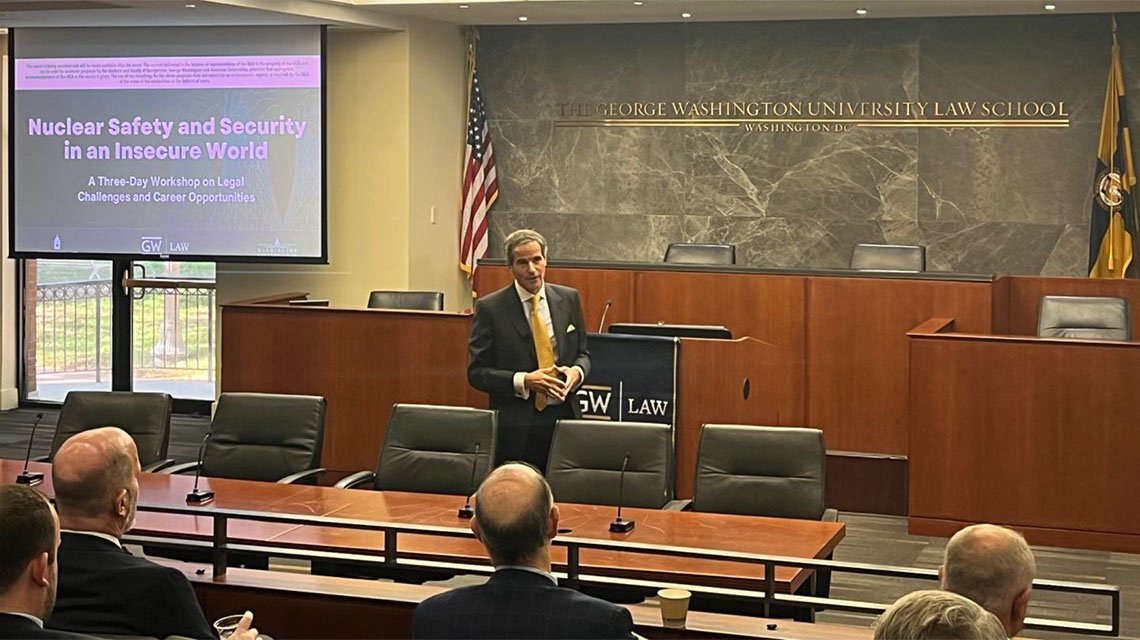
In a significant development aimed at enhancing legal expertise in the increasingly relevant field of nuclear energy, the International Atomic Energy Agency (IAEA) has joined forces with George Washington University Law School. This partnership is set to address the pressing need for well-trained lawyers adept in nuclear law, a discipline that has gained importance as global interest in nuclear energy continues to rise. The collaborative effort is designed to provide comprehensive educational opportunities that prepare future legal experts to navigate the complex legal frameworks surrounding nuclear technology and its applications.
The formation of this alliance coincides with a heightened focus on nuclear issues, particularly in light of recent global energy demands and environmental considerations. As countries explore nuclear energy as a viable solution to reduce carbon emissions and ensure energy security, there is an increasing need for legal professionals who understand the intricacies of nuclear regulations, safety protocols, and international treaties. The IAEA, as a leading authority in promoting safe, secure, and peaceful use of nuclear technology, recognizes that fostering legal education is essential to achieving these goals.
This initiative includes the launch of a summer school program dedicated to nuclear law, offering students the unique opportunity to explore various aspects of legal issues related to nuclear energy. Participants will engage with experts from both the IAEA and the legal community, gaining insights into the regulatory landscape and the challenges that arise in this dynamic sector. Through this program, the collaboration between the IAEA and George Washington University Law School aims to cultivate a new generation of lawyers equipped to address the legal dimensions of nuclear energy, contributing to the overarching objective of ensuring safe and responsible nuclear practices worldwide.
Understanding Nuclear Law and Its Significance
Nuclear law serves a critical function in ensuring the safe, secure, and responsible use of nuclear energy. It encompasses a broad spectrum of regulatory frameworks, guidelines, and policies aimed at mitigating the risks associated with nuclear activities, particularly in the context of civilian nuclear energy production. As nations increasingly turn to nuclear power as a sustainable energy source, the importance of nuclear law becomes ever more pronounced. This body of law operates at the intricate nexus of international governance and national legislation, establishing norms and standards that govern nuclear safety, non-proliferation, and environmental protection.
The legal framework surrounding nuclear energy is designed to address numerous challenges. It incorporates principles that enforce the accountability of nuclear facility operators, mandate safety assessments, and outline emergency preparedness protocols. These regulations are essential not only to protect human health and the environment but also to foster public trust in the use of nuclear technology. The complexity of nuclear law is exacerbated by the need to navigate the interplay between domestic laws and international treaties, highlighting the necessity for well-trained legal experts in the field.
Legal education becomes paramount as countries expand their nuclear capabilities. Future experts in nuclear law must be equipped with a thorough understanding of both the technical aspects of nuclear energy and the regulatory landscape that governs it. This includes knowledge of international treaties such as the Treaty on the Non-Proliferation of Nuclear Weapons (NPT) and the International Atomic Energy Agency (IAEA) guidelines. As the global landscape evolves, the demand for proficient legal practitioners who can interpret and enforce nuclear law effectively grows significantly, ensuring that nations can harness the benefits of nuclear energy while adhering to stringent safety and security standards.
What to Expect from the Summer School
The upcoming two-week summer school program, jointly organized by the International Atomic Energy Agency (IAEA) and George Washington University Law School, offers an in-depth exploration of nuclear law tailored for aspiring legal experts in this vital field. This innovative program is designed to provide participants with a robust hands-on experience, enhancing their understanding of nuclear governance, regulatory frameworks, and emerging legal challenges associated with nuclear technology.
The first week of the curriculum will focus on fundamental concepts essential to nuclear law. Participants can anticipate engaging lectures covering key topics such as international treaties, safety standards, and non-proliferation agreements. Through collaborative discussions and case studies, attendees will gain foundational knowledge, ensuring they have a solid grasp of the principles underpinning nuclear regulation.
The second week advances into more sophisticated subjects, including new technologies and the legal challenges they present. This segment will examine contemporary issues like the integration of artificial intelligence in nuclear systems and the implications of digital transformations on regulatory compliance. Expert-led sessions encourage participants to critically analyze these developments and their potential impacts on international law.
The unique virtual format of the summer school facilitates accessibility while fostering an interactive learning environment. Utilizing advanced online platforms, participants will engage in real-time discussions, breakout sessions, and direct interactions with experienced practitioners and academics. This approach not only enriches the learning experience but also promotes networking opportunities among peers and industry leaders.
Overall, attendees can expect a well-structured program that encompasses essential theories and current challenges in nuclear law. By the end of the summer school, participants will be equipped with the knowledge and practical skills necessary to navigate the complexities of nuclear legal frameworks effectively.
Historical Context and Institutional Legacy
The journey of nuclear law education at George Washington University Law School finds its origins in the groundbreaking announcement of nuclear fission in 1939. This pivotal moment not only marked the dawn of the nuclear age but also prompted academic institutions to respond to the new legal complexities emerging from the peaceful and military uses of nuclear energy. As the implications of nuclear technology began to unfold, GW Law positioned itself as a leader in this specialized field of study, ensuring that legal professionals were well-equipped to address the evolving challenges associated with nuclear energy.
A significant milestone in the development of nuclear law education at GW was the passage of the Atomic Energy Act in 1954. This landmark legislation established the framework for the regulation of nuclear energy in the United States, reflecting the need for comprehensive legal expertise in the face of advancing technology. The Act spurred the growth of specialized courses and programs within the law school, integrating nuclear law into broader curricula and affirming the school’s commitment to preparing lawyers for careers in public and private sectors focused on nuclear energy, safety, and non-proliferation.
Through the decades, GW Law has maintained a robust focus on nuclear law, nurturing an intellectual environment that emphasizes the importance of legal scholarship in addressing pressing international issues. Recognizing the global nature of the nuclear industry, the collaboration with the International Atomic Energy Agency represents a natural progression in this legacy. This partnership aims to enhance the capabilities of future legal practitioners, equipping them with critical insights and skills necessary for navigating the complex interplay of nuclear policy, international treaties, and regulatory frameworks. By providing a rich foundation in both historical context and contemporary legal challenges, George Washington University Law School continues to honor its institutional legacy while fostering the next generation of nuclear law experts.

